
Last updated November 24, 2026
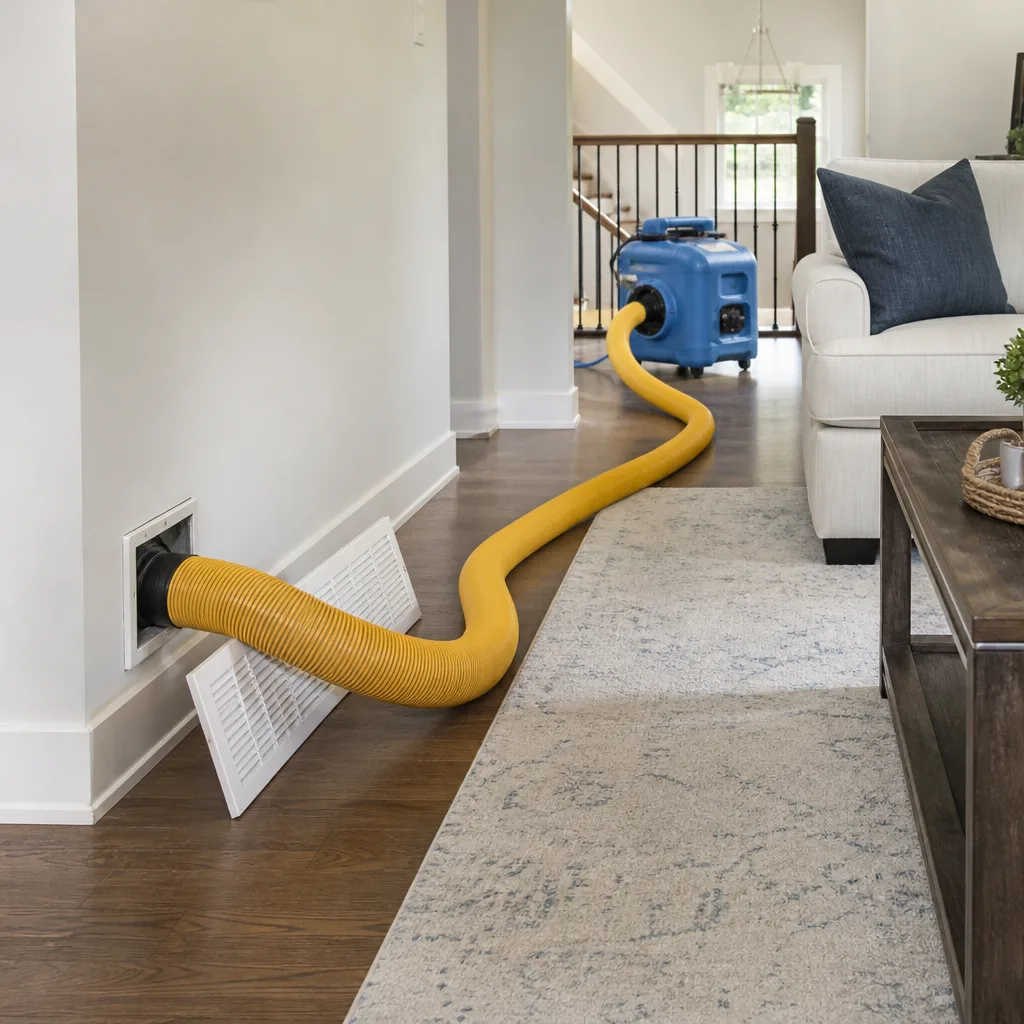 Whole-home duct cleaning
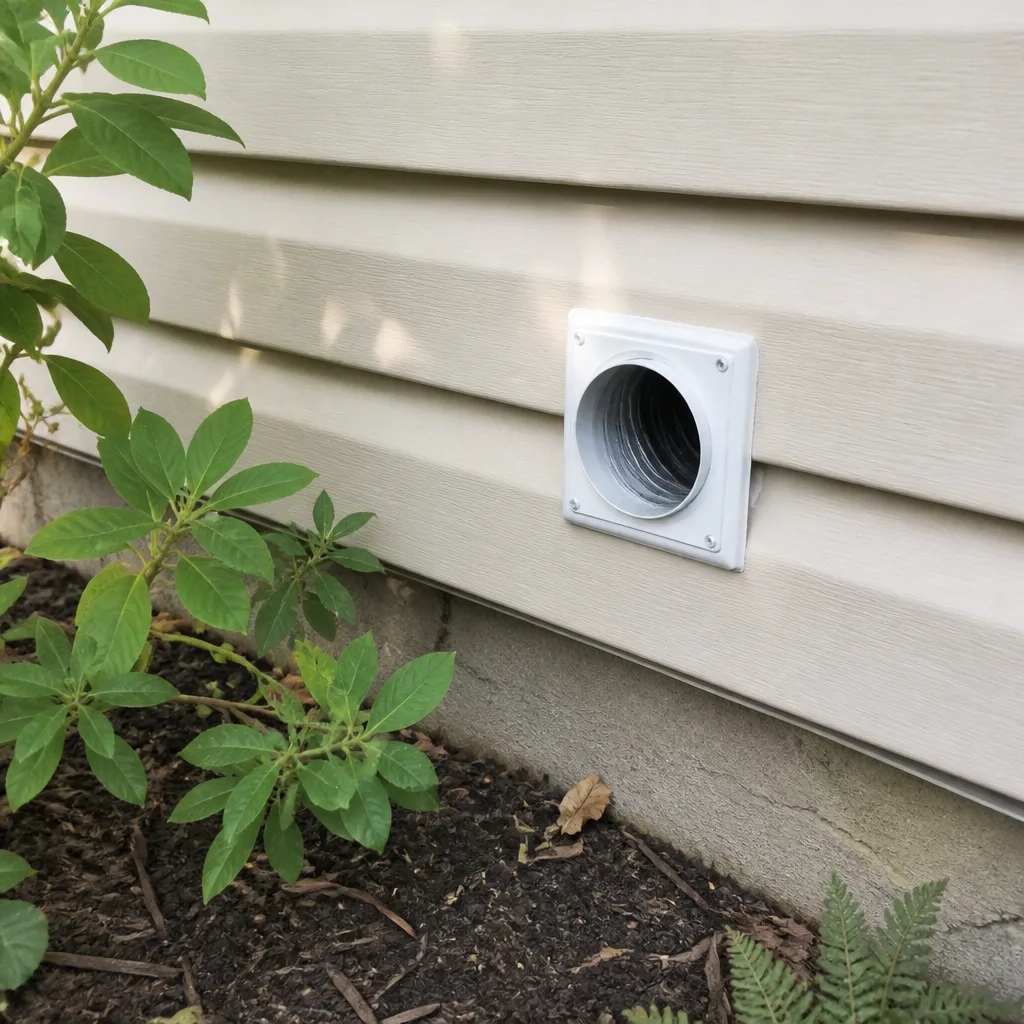 Dryer vent cleaning
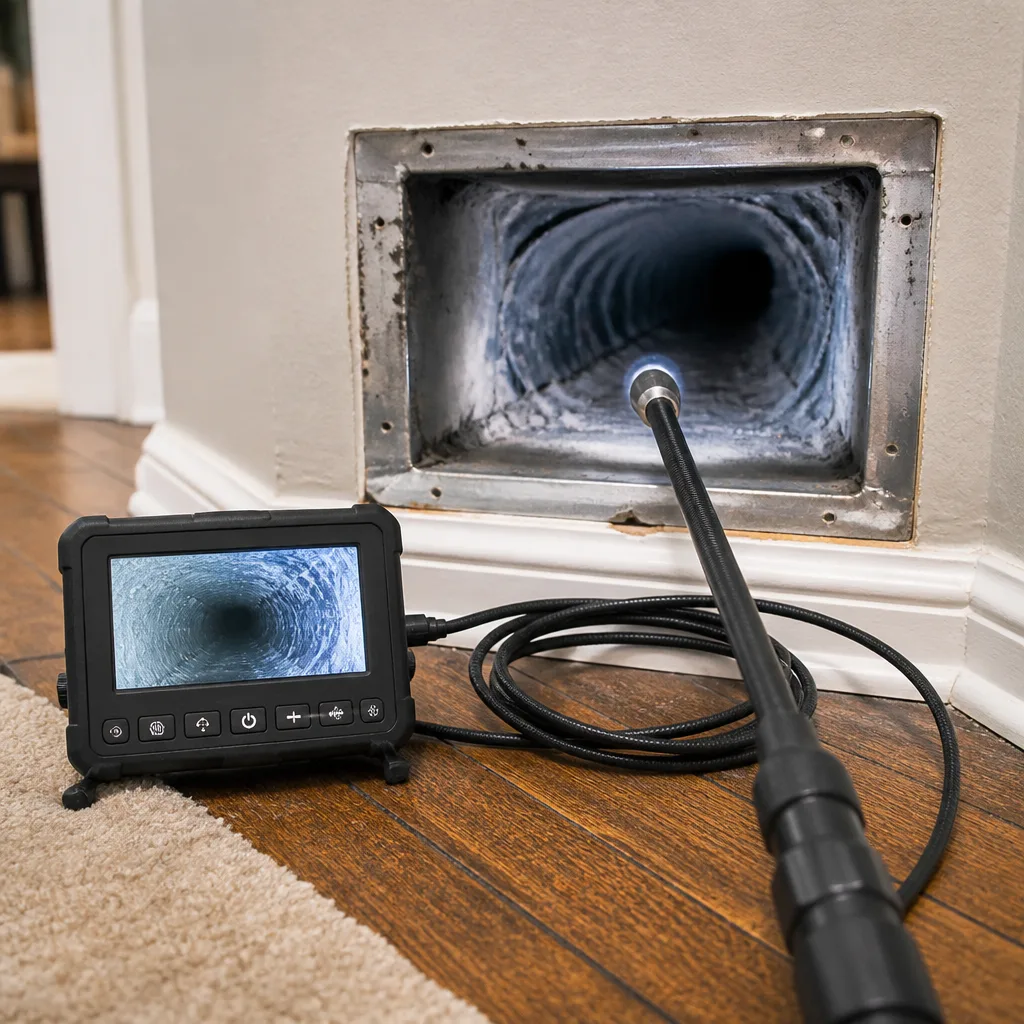 Camera inspection
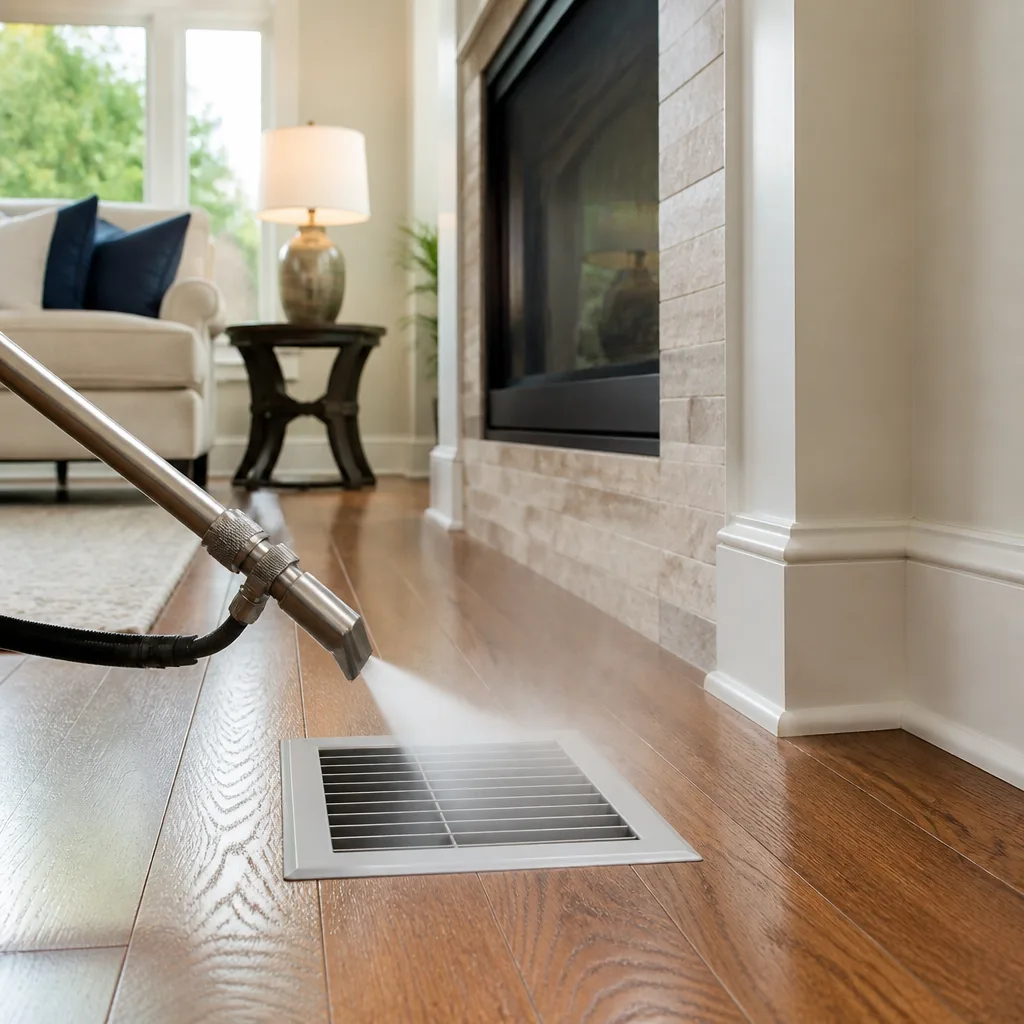 Sanitizing & deodorizing
Whole-system duct and dryer vent check with before-and-after photos - you see exactly what came out of your vents
That "$99 whole-house special" is a bait ad - the real number appears once they are in your hallway, or the "clean" is a shop-vac at the register. We photograph the inside of your ducts before and after instead.
Air Duct Cleaning Emergency Preparedness Guide for University Park Homes
Most University Park homeowners have a fire evacuation bag, a paper map of the canyon exits, and a plan for where to meet. Far fewer have thought about the ducts overhead. The common assumption is that a filter change handles it. It doesn’t. After a nearby wildfire event, fine smoke particles can bypass or overwhelm a standard filter and settle inside the ductwork within hours of running a central HVAC system, long before anyone smells smoke indoors. This guide covers what to do before, during, and after the events that actually threaten University Park homes: wildfire smoke, seismic shaking, and water or sewage intrusion. You’ll get the protocols, the inspection checklists, and the baseline documentation that makes an insurance claim survivable.
Quick Answer
Air duct emergency preparedness in University Park means three things: knowing when to shut your HVAC off during a smoke event and the inspection sequence before restarting it, having a documented baseline of your duct system’s condition for insurance purposes, and knowing which events (sewage backup, significant shaking, direct smoke intrusion) call for remediation-grade cleaning rather than a routine visit. A standard filter swap does not remove particles that have already settled inside the ductwork.
Styles & brands we work with
- Whole-home duct cleaning
- Dryer vent cleaning
- Camera inspection
- Sanitizing & deodorizing
Table of Contents
- The University Park Risk Calendar
- Post-Wildfire Smoke: Shut-Down and Restart Protocol
- Post-Seismic Duct Inspection Checklist
- Water and Sewage Intrusion at the Air Handler
- Documenting Your Baseline Before a Disaster
- Why Remediation-Grade Equipment Matters Here
- Common Mistakes to Avoid
- When to Call a Professional
The University Park Risk Calendar
University Park isn’t a fire zone in the way the hills above the canyon are, but that’s exactly why preparedness gets skipped. The city sits close enough to fire corridors in the surrounding hills that smoke plumes drift over the neighborhood during Santa Ana wind events, the dry offshore winds that funnel through the region from roughly fall into early winter. When those winds line up with an active fire, University Park gets the smoke without the flame front. That’s a specific air quality problem, and it shows up indoors.
Think of the year in three layers.
- Santa Ana season (fall through early winter): the highest-risk window for smoke intrusion. Dry, fast winds push particulates over residential neighborhoods, and the particles that matter most (PM2.5 and finer) settle into fabric, filter media, and duct interiors.
- Year-round seismic exposure: University Park’s housing stock includes a lot of older single-family homes with original or partially updated HVAC systems. A significant shaking event can shift flex duct runs, separate duct board joints, and stress the plenum connections at the air handler.
- Water and sewer events: older plumbing, root intrusion, and slab issues don’t follow a calendar, but they do reach the HVAC system when the intrusion happens near the air handler closet or mechanical space.
What a preparedness-aware University Park homeowner should have on file before any of this happens: a dated photo and video record of the accessible duct system, a copy of your HVAC layout (or a sketch if you don’t have one), the filter size and MERV rating currently in use, and the paperwork from your last professional cleaning. That file is worth more than any emergency kit component when an adjuster asks what condition the system was in before the event. Our technicians have up to 10 years of experience working in homes across this type of housing, and the documentation gap is the thing we see most often.
If your records are thin, a scheduled air duct cleaning visit is a reasonable moment to build the baseline properly, with photos and a written condition report you can keep.
Post-Wildfire Smoke: Shut-Down and Restart Protocol
The single most common mistake after a smoke event is to run the system to “flush it out.” That pushes contaminated air through the house and drives particles deeper into the duct interior. Here’s what to do instead.
Step 1: Shut the system off
When you can see smoke, smell it indoors, or your phone alerts you to an air quality advisory, turn the thermostat to off. Don’t just set the fan to “on” to circulate. A running system is a delivery mechanism for whatever is outside, and once PM2.5 is inside the return ducts, a filter swap doesn’t undo it.
Step 2: Seal the outdoor air path
Close windows and doors. If your system has an outdoor air intake or an economizer, tape it closed temporarily. Kitchen and bath exhaust fans should stay off during the event, because they pull air through the house and create a pressure difference that draws smoke in.
Step 3: Wait until the advisory clears
Restart only after local air quality readings have returned to normal for a sustained period. The smoke plume passing isn’t the same as the air clearing; fine particles hang in the neighborhood for a while after the visible haze goes.
Step 4: Inspect before restarting
This is the step people skip. Before you turn the system back on:
- Pull the filter and inspect it against a light. A uniformly gray filter after a smoke event is a sign the system was running during intrusion.
- Remove a supply register cover in a room closest to the air handler and look inside with a flashlight. Visible soot film, dark streaking, or a smoke smell in the duct means the system needs professional attention.
- Check the return grille and the space around the air handler for settled ash or fine dust.
- Smell test: run the fan for a few minutes only if steps 1 – 3 come up clean, and shut off immediately if a smoke odor appears at the registers.
If any of those checks fail, schedule a professional inspection before resuming normal operation. A standard consumer vacuum can’t remove what’s bonded to the duct interior, and running the system with contaminated ducts re-distributes it into every room. If you’re seeing this pattern across an HVAC system, HVAC cleaning covers the coils, blower, and cabinet, not just the duct runs.
Post-Seismic Duct Inspection Checklist
After a significant shaking event, duct systems fail quietly. There’s no alarm, no beep, no obvious sign. The system might still run, but a separated joint in a flex duct run or a cracked duct board seam leaks conditioned air into a crawlspace or attic instead of the room, and in some cases pulls unfiltered air into the airstream. Here’s what to check, in order.
The visual walk-through
- Flex duct connections: look where the flexible duct meets the rigid trunk or the air handler collar. A flex run can slip off its collar or tear at the tie strap. If you see a gap or a run hanging loose, shut the system off and call a professional.
- Duct board joints: duct board is a rigid fibrous panel with taped and mastic-sealed seams. Shaking can crack the mastic or open a seam, especially where sections meet at a transition. Look for visible lines, gaps, or dark staining along the joints.
- Plenum integrity: the plenum is the box that connects the air handler to the duct system. It takes the most load during shaking. Look for separations at the seams, sagging panels, and any place where the plenum has pulled away from the unit.
- Hangers and supports: strap or metal hangers can shift, leaving a duct run resting on a joist or ceiling tile. That’s a wear point and a leak point.
- Register and grille fit: grilles that were tight before and are loose now indicate movement in the run behind them.
What not to do
Don’t tape a suspected gas line, don’t run the system to “test” whether a leak is bad, and don’t climb into a crawlspace or attic with damaged framing. If you smell gas, leave the house and call your utility. If the ductwork is visibly compromised, shut the system off at the thermostat and the breaker and get a professional out.
Duct repair and sealing is a named service for exactly this reason. A post-seismic visit usually pairs a full inspection with mechanical repair, mastic sealing at the compromised joints, and a condition report for your insurer. One crew, full scope, no second contractor to schedule.
Water and Sewage Intrusion at the Air Handler
This is the scenario almost nobody plans for, and it’s the one that changes the category of work entirely. If a sewage backup or a major water intrusion reaches the air handler closet or the mechanical space, you don’t have a dirty duct problem. You have a biological contamination problem inside an enclosed system.
Why this isn’t a routine cleaning
Water sitting inside a duct system wets the interior lining, the insulation, and the filter media. Within a short window, microbial growth can begin in those damp surfaces, and the air handler’s blower then distributes spores and odor through every supply register in the house. A standard cleaning visit with a shop-vac-style setup is not the right response, because it doesn’t contain contaminants; it can aerosolize them. What’s needed is remediation-grade work: HEPA filtration at the vacuum, negative air pressure to keep the work zone from cross-contaminating living space, containment, and a sanitizing step afterward.
First 24 hours
- Shut the HVAC system off at the thermostat and, if you can reach it safely, at the breaker. Don’t run the fan.
- Stop the water source if it’s safe to do so (shut the supply valve, call a plumber for a sewage line).
- Photograph everything before you move it. Waterline marks, damaged materials, the condition of the air handler cabinet.
- Call your insurer and open the claim before cleanup begins, so the adjuster’s record matches yours.
- Don’t run a household dehumidifier or fan inside the duct system. Circulating air is the problem, not the solution.
When the water reaches the duct system, the job should be handled with University Park Air Duct Cleaning Co equipment built for remediation: HEPA-filtered extraction, negative pressure, and a documented post-clean verification. Guardsman-grade sanitizing treatments are available as part of the air quality and sanitizing tier once the system is dry and mechanically sound.
Documenting Your Baseline Before a Disaster
Insurance claims and remediation verification both come down to one question: what condition was the system in before the event? Without a baseline, you’re relying on memory and a contractor’s judgment. With one, you have dated evidence. It takes about an hour to build, and it’s the most useful thing in this entire guide.
What to record
- Photos: the air handler cabinet (front, sides, and the data plate), the plenum, every accessible duct run, and every supply and return register with the cover off. Include a card or phone screen showing the date.
- Video: a slow walk-through of the mechanical space and a pan of the accessible attic or crawlspace duct routing. Narrate what you’re looking at.
- Paperwork: filter size and MERV rating, the equipment model and serial numbers, and the report from your last professional cleaning.
- A simple floor plan sketch: mark register locations and the air handler. This is what a remediator uses to plan containment.
- A recent air quality note: if anyone in the household has allergies or asthma, note it. That context supports a claim for remediation-level work rather than routine cleaning.
Keep it where you’ll find it
Cloud storage, not a folder in the garage. If you have to evacuate, your documentation should be accessible from your phone. And update it after any major work: a new filter, a duct repair, or a full cleaning all change the baseline, and the most recent record is the one that matters in a claim.
A professional cleaning visit is a natural time to refresh this file. You get photos of the system in clean condition, a written report, and a dated reference point for whatever comes next. It’s also worth scheduling dryer vent cleaning in the same window if you haven’t, because lint accumulation is the other silent fire risk in a preparedness plan and it lives in the same mechanical space.
Why Remediation-Grade Equipment Matters Here
Most duct cleaning companies in the region run a single consumer-grade vacuum and a rotating brush. That’s fine for light surface dust. It is not adequate after a wildfire smoke event, a sewage intrusion, or a post-seismic repair where you need to verify a sealed, clean system. The equipment gap is real, and it’s the difference between a cleaning and a remediation.
What we bring
We operate two professional-grade systems, Rotobrush and Nikro, the same platforms commercial and industrial HVAC contractors use. They agitate and extract simultaneously, which matters because bonded smoke residue and microbial film don’t come off with suction alone.
We also carry Abatement Technologies equipment: HEPA filtration and negative air pressure, the containment setup normally reserved for mold and contaminant abatement projects. On a post-wildfire or post-water-intrusion job, that’s the difference between cleaning the duct and protecting the rest of the house from what’s inside it while you work.
Clean ducts are only half the job. We offer the full lifecycle under one roof: cleaning, mechanical repair, sealing, and post-clean air quality upgrades. We source and install Honeywell and Aprilaire air quality products, so if the inspection turns up a filtration gap that let the smoke in to begin with, we can address it on the same visit rather than handing you a second contractor’s number.
What we don’t do is price by the vent or quote a teaser number over the phone. One flat price per system, agreed in writing before work starts, with before-and-after photos of your own ducts when we’re done. That’s how you know the work actually happened.
Common Mistakes to Avoid
- Running the system to “clear the smoke.” This pushes particles deeper into the duct interior and distributes them through the house. Shut it off instead, and wait for the advisory to lift.
- Assuming a filter swap solves it. A filter catches what reaches it. It doesn’t remove what’s already settled downstream, and after a smoke event the downstream is where the problem lives.
- Skipping the post-seismic inspection because the system “still works.” A separated flex duct connection leaks air silently. “Still works” only means the system runs, not that it’s moving air where it should.
- Treating a sewage intrusion like a dirty duct job. Water at the air handler means microbial remediation, containment, HEPA extraction, and sanitizing. A standard cleaning can spread the problem rather than solve it.
- No baseline documentation. University Park homeowners who file a claim without a prior record of system condition are relying on an adjuster’s estimate of what “normal” looks like. Dated photos and a cleaning report change that conversation.
- Hiring a company that quotes per vent over the phone. The price is set per job by the written estimate after a walk-through. A phone quote is a number that expands once the technician is on site.
- Ignoring the dryer vent. After any event that disrupts the mechanical space, check the dryer vent run too. Lint accumulation behind the dryer is a fire risk independent of everything else in this guide.
When to Call a Professional
Call a professional when any of the following is true: your post-wildfire inspection shows visible soot or dark streaking inside a register, you can smell smoke at the supply vents after the outdoor air has cleared, your post-seismic walk-through finds a loose flex run or an open duct board seam, water or sewage has reached the air handler or duct insulation, or your insurance claim needs a documented condition report and post-clean verification. Call us earlier if the event was significant and you simply don’t know where to look; a free estimate is a walk-through of your system, not a sales pitch. University Park Air Duct Cleaning Co offers free estimates in University Park. Call (866) 947-8605. We answer 24/7. Fast dispatch from 7am to 7pm, Sunday through Friday.
See the difference
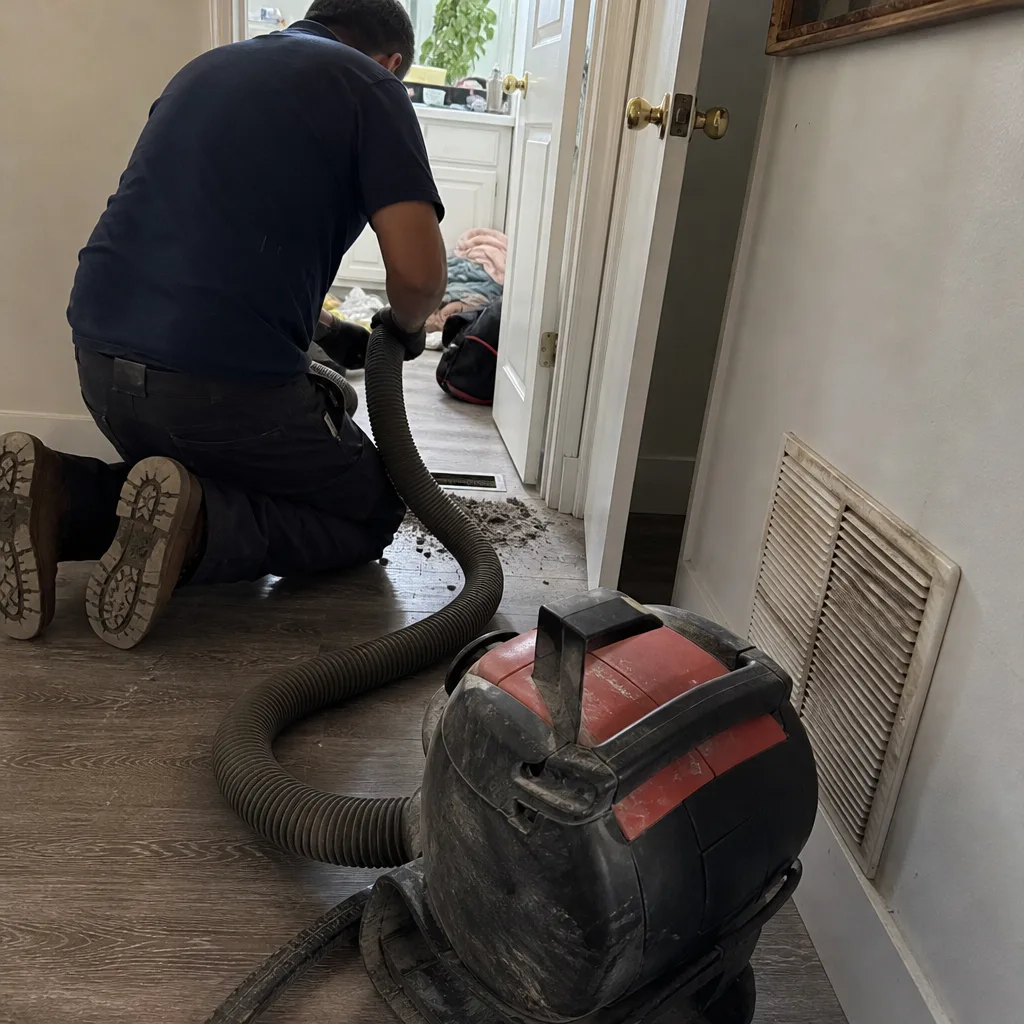 Before
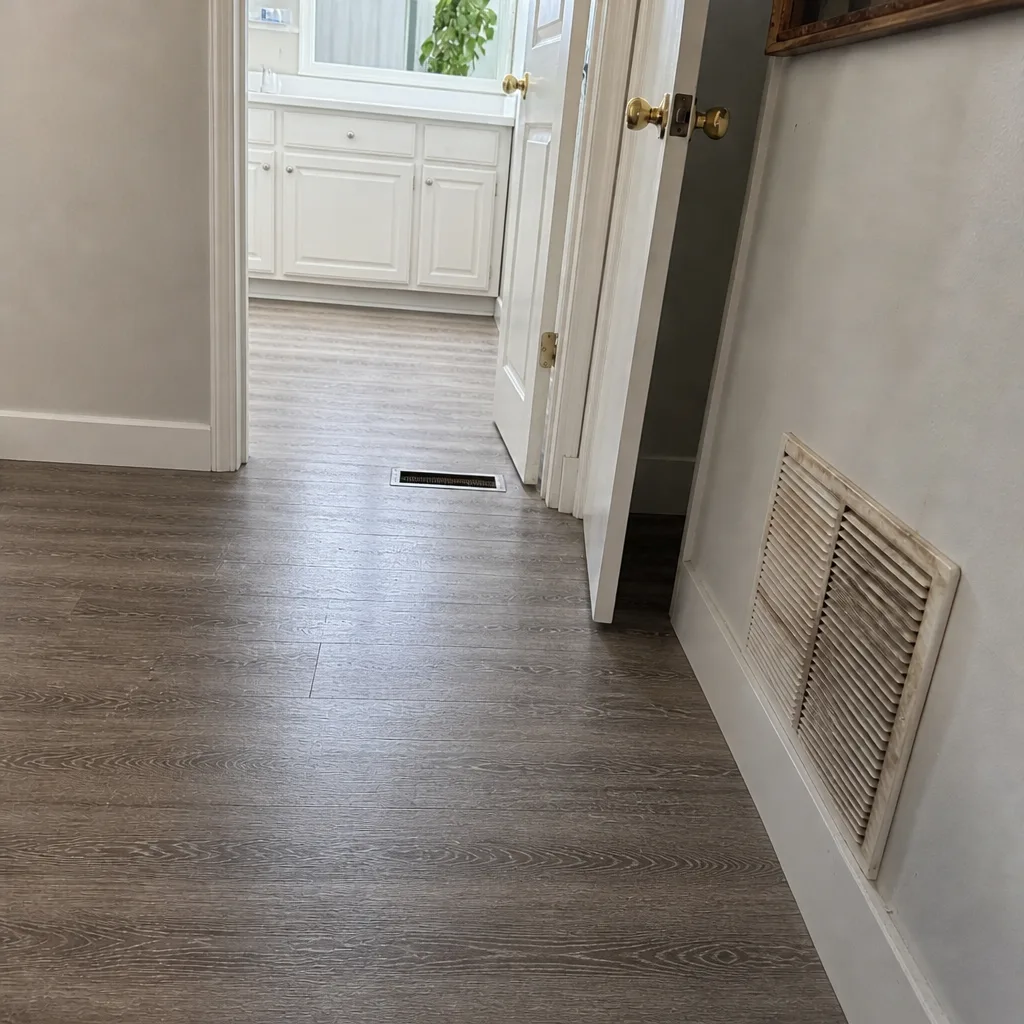 After
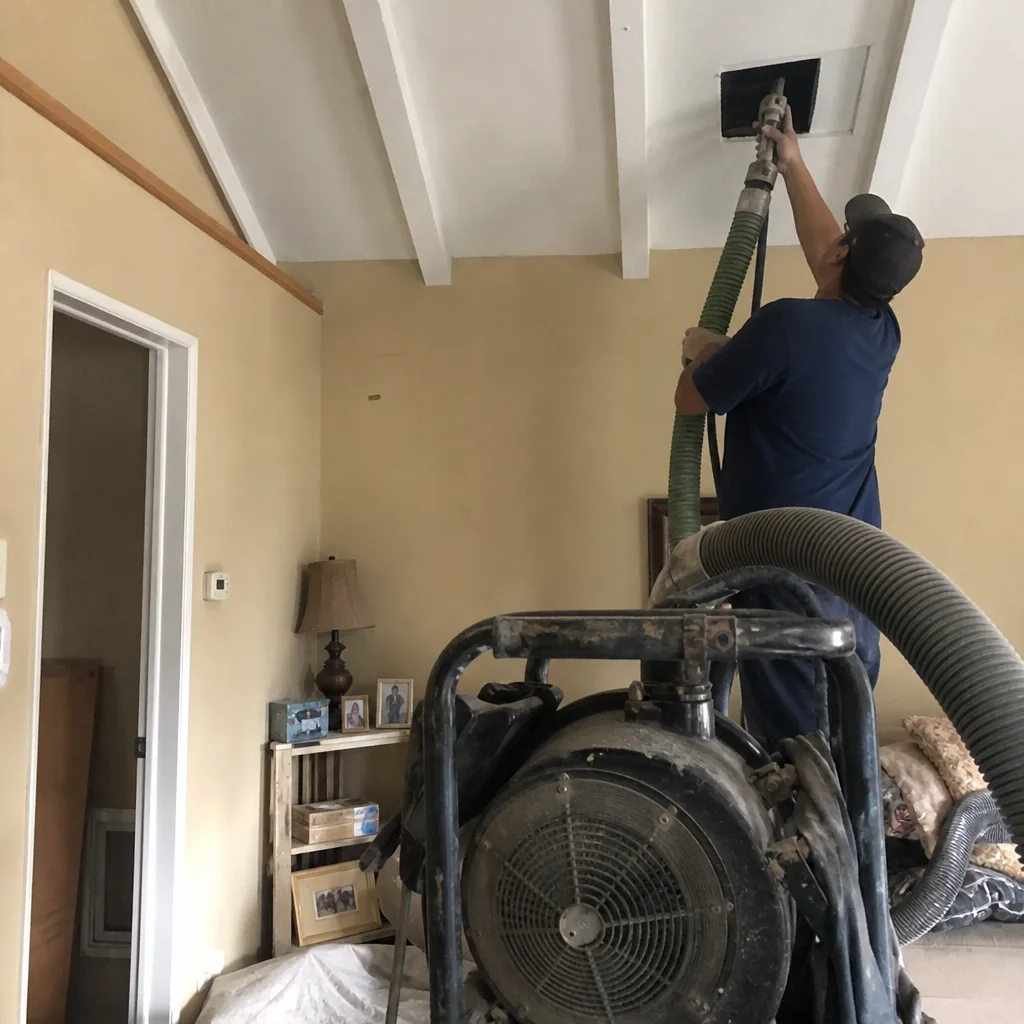 Before
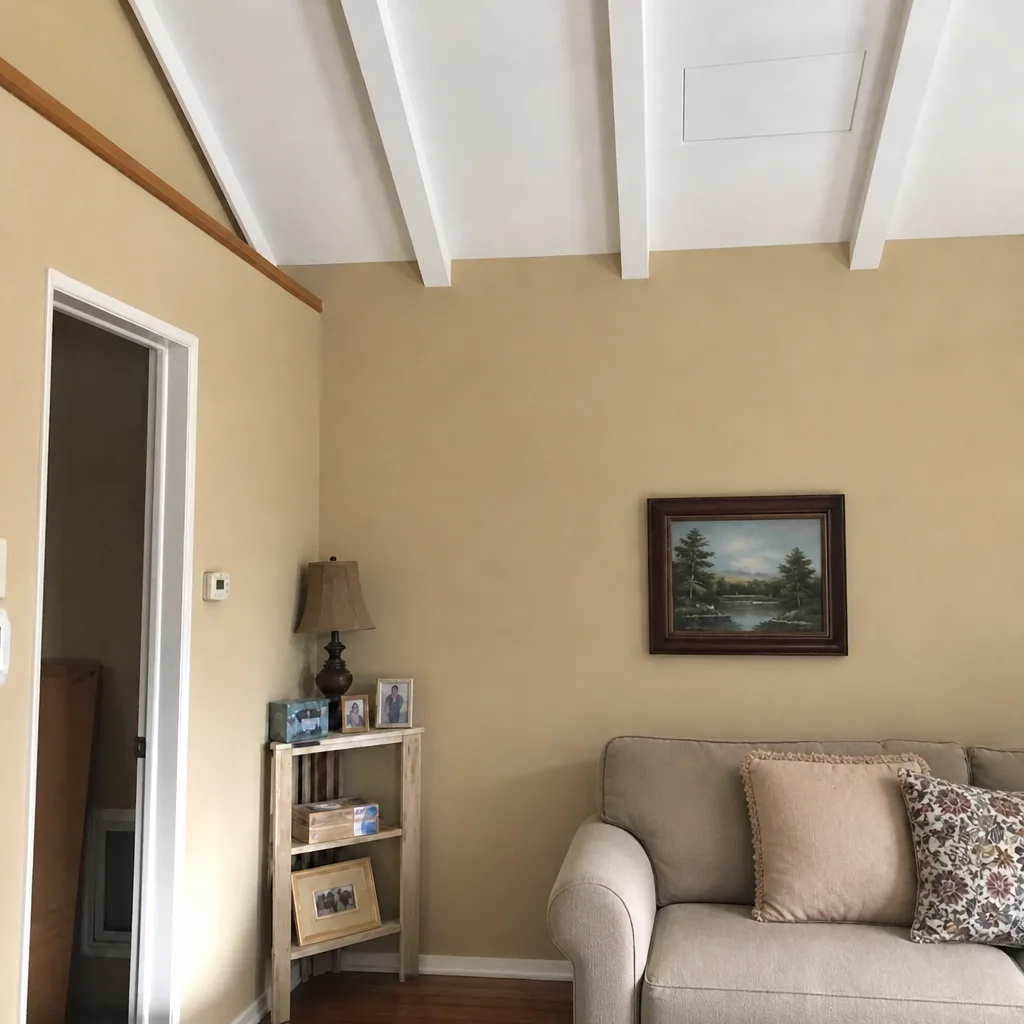 After
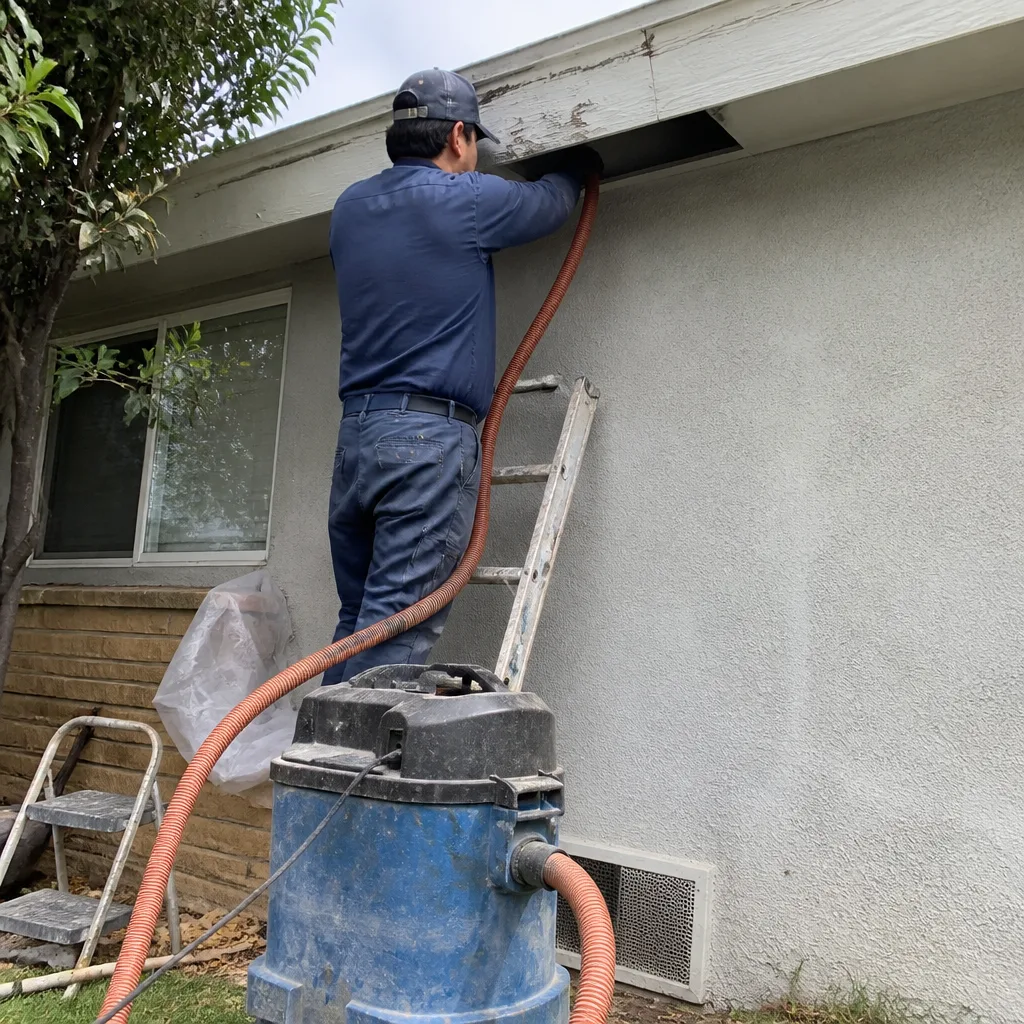 Before
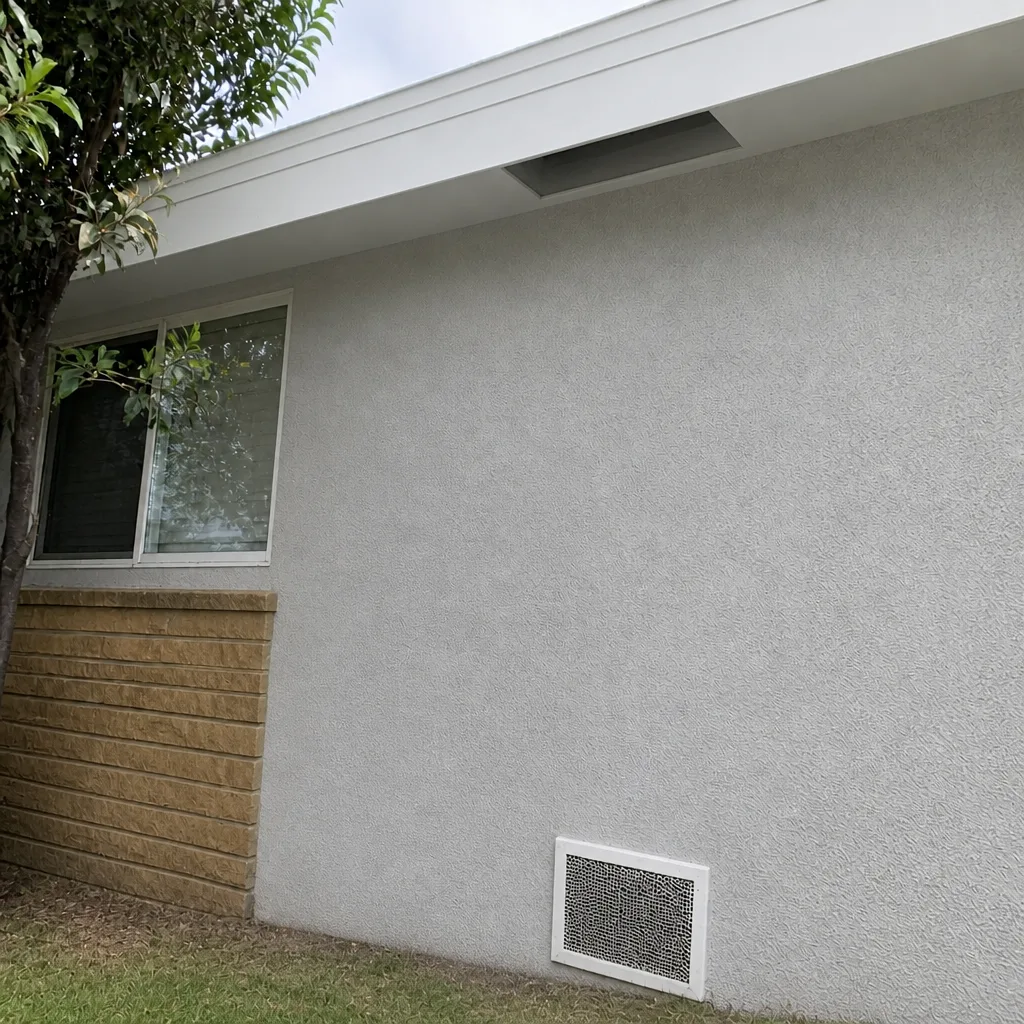 After
Frequently Asked Questions
Once your air quality advisory has cleared and the outdoor air has returned to normal, get an inspection. If the inspection shows soot film, dark streaking, or a lingering smoke smell inside the ducts, schedule the cleaning then. Holding off longer doesn’t make the particles leave; it just lets them settle deeper and circulate through the house on every fan cycle. Call (866) 947-8605 for an exact quote; estimates are free.
No. A filter swap handles the filter, not the ducts. Fine smoke particles (PM2.5 and smaller) that already passed the filter and settled inside the duct interior stay there. A fresh filter improves what’s captured going forward, but it doesn’t remove what’s already downstream. That’s the reason a post-event inspection matters before you restart the system.
Check flex duct connections where they meet the trunk or air handler collar, duct board joints for cracked mastic or open seams, the plenum for separations or sagging, and the hangers for shifted runs or ducts resting on framing. If you find a loose run or an open seam, shut the system off and get a professional inspection before running it again.
Yes, entirely. Water or sewage reaching the air handler introduces biological contamination, so the correct response is remediation-grade work: HEPA-filtered extraction, negative air pressure, containment, and sanitizing. A standard cleaning that doesn’t address contamination can aerosolize it through the house. The equipment matters as much as the process.
University Park Air Duct Cleaning Co prices by system, not by vent, and the written estimate after a walk-through sets the final figure. The reason we don’t quote per vent is simple: a per-vent price rewards a company for doing less work per vent, and it’s the structure behind every bait-and-switch story in this trade. Call (866) 947-8605 for an exact quote; estimates are free.
Usually because they cover less work than the price implies, or because the equipment can’t do the job it’s advertised for. A quote that comes in far below others is often a per-vent teaser, a surface-only pass, or a job that will “find something” once the technician is on site. We quote one flat price per system, in writing, before work starts, and we provide before-and-after photos of your own ducts. Call (866) 947-8605 for a free estimate.
For most University Park homes, the honest answer is: after a specific event, not on a fixed calendar. A smoke intrusion, a water event, a renovation that generated dust, a post-seismic repair, or visible contamination at the registers are all reasons to clean. In the absence of any of those, an inspection tells you more than a schedule does.
Ask for before-and-after photos of your own ducts, a written condition report, and a single flat price agreed in advance. Those three things are hard to fake and easy to check. If a company resists any of them, that tells you something useful before you book.
The Bottom Line
Preparedness in University Park is mostly about the file, not the cleanup. Build a dated photographic record of your duct system now. Know the shut-down and restart protocol for a smoke event, and don’t trust a filter swap to fix what’s already settled inside the ducts. After significant shaking, walk the flex connections, duct board joints, and plenum before you run the system. And if water or sewage reaches the air handler, treat it as remediation, not cleaning. The equipment gap between a shop vac and remediation-grade extraction is the whole story on those jobs. Our technicians have up to 10 years of experience, and the homes we see most often fail on documentation, not hardware. Free estimates in University Park. Call (866) 947-8605. We answer 24/7. Fast dispatch from 7am to 7pm, Sunday through Friday.
Written by the team at University Park Air Duct Cleaning Co.