
Last updated November 24, 2026
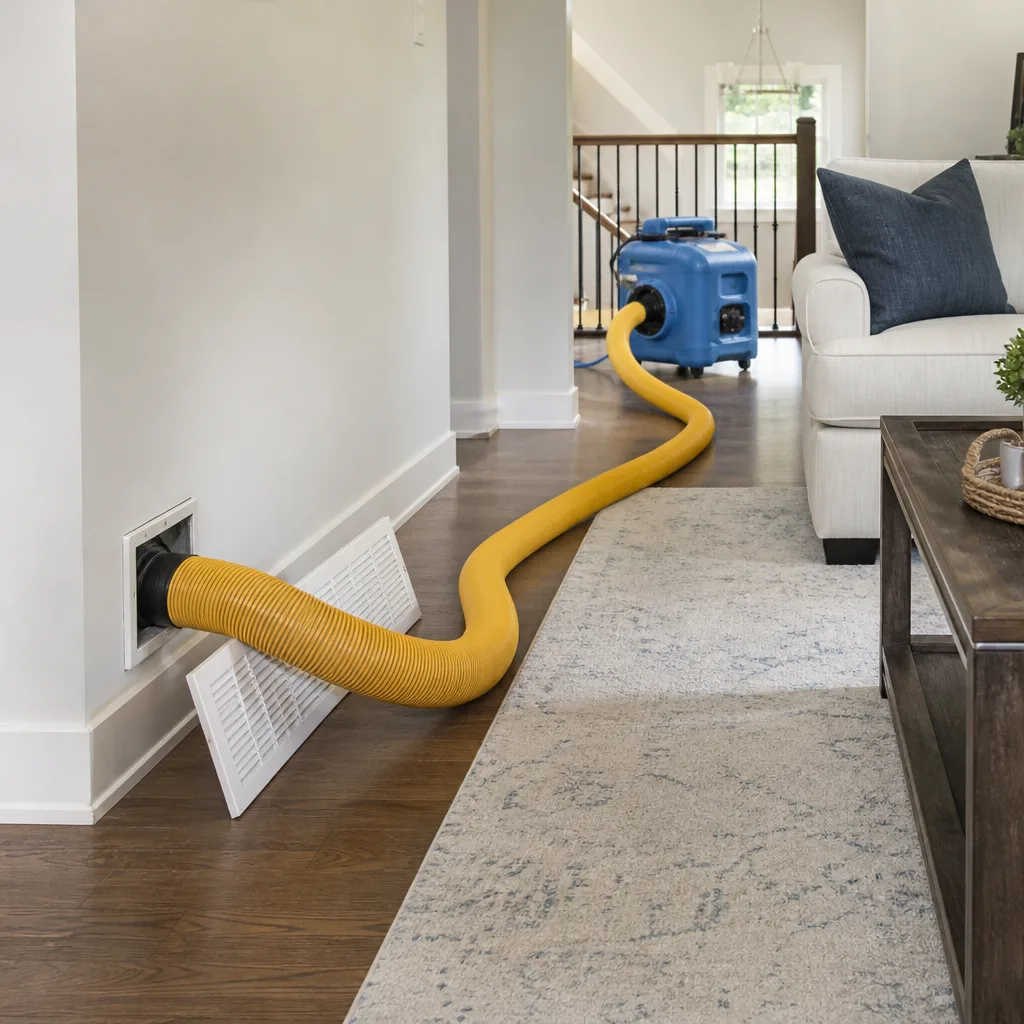 Whole-home duct cleaning
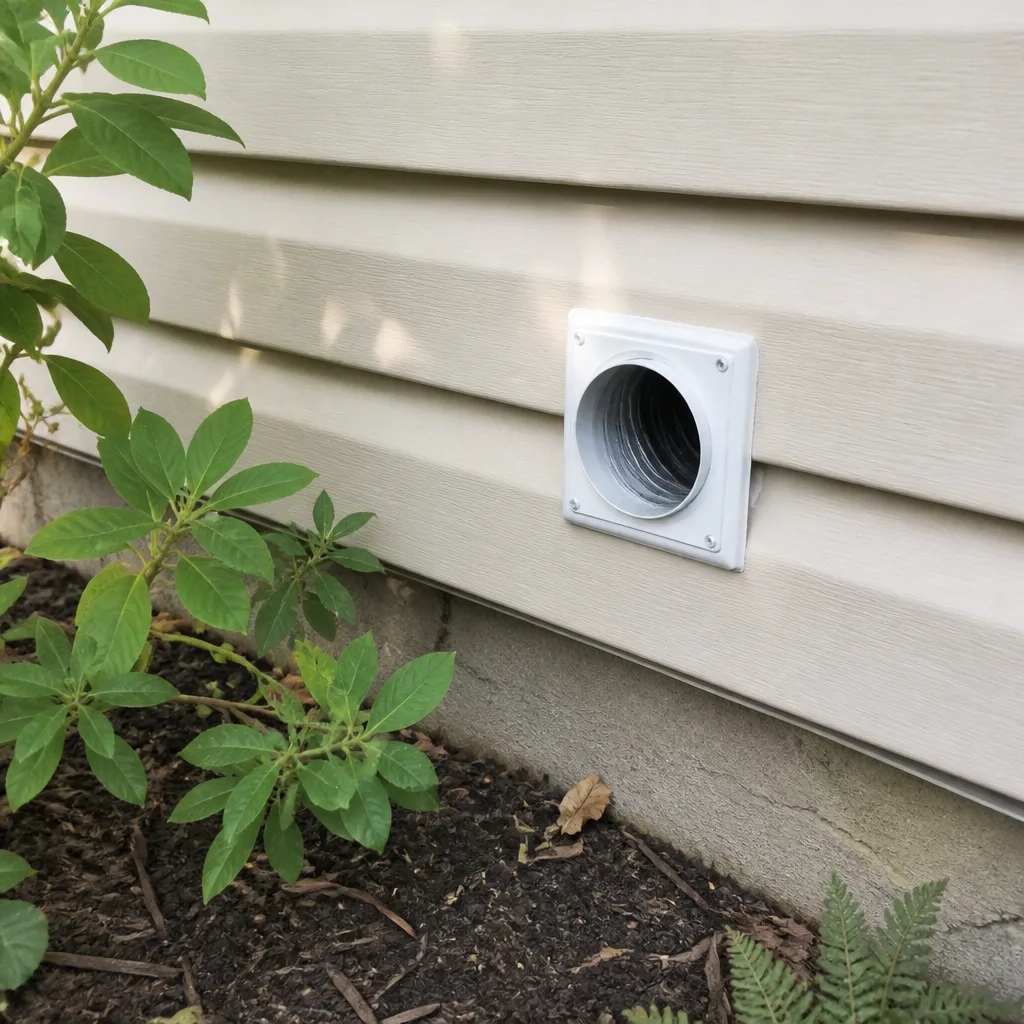 Dryer vent cleaning
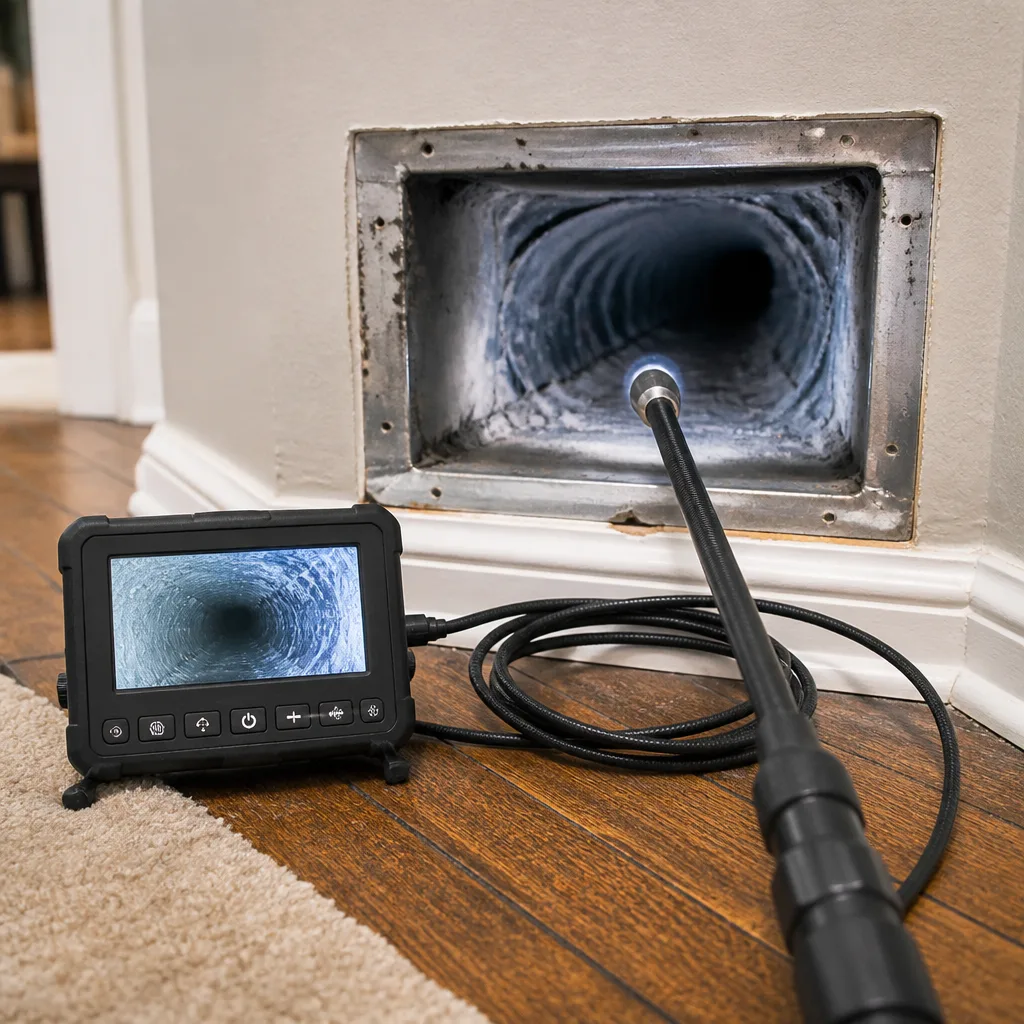 Camera inspection
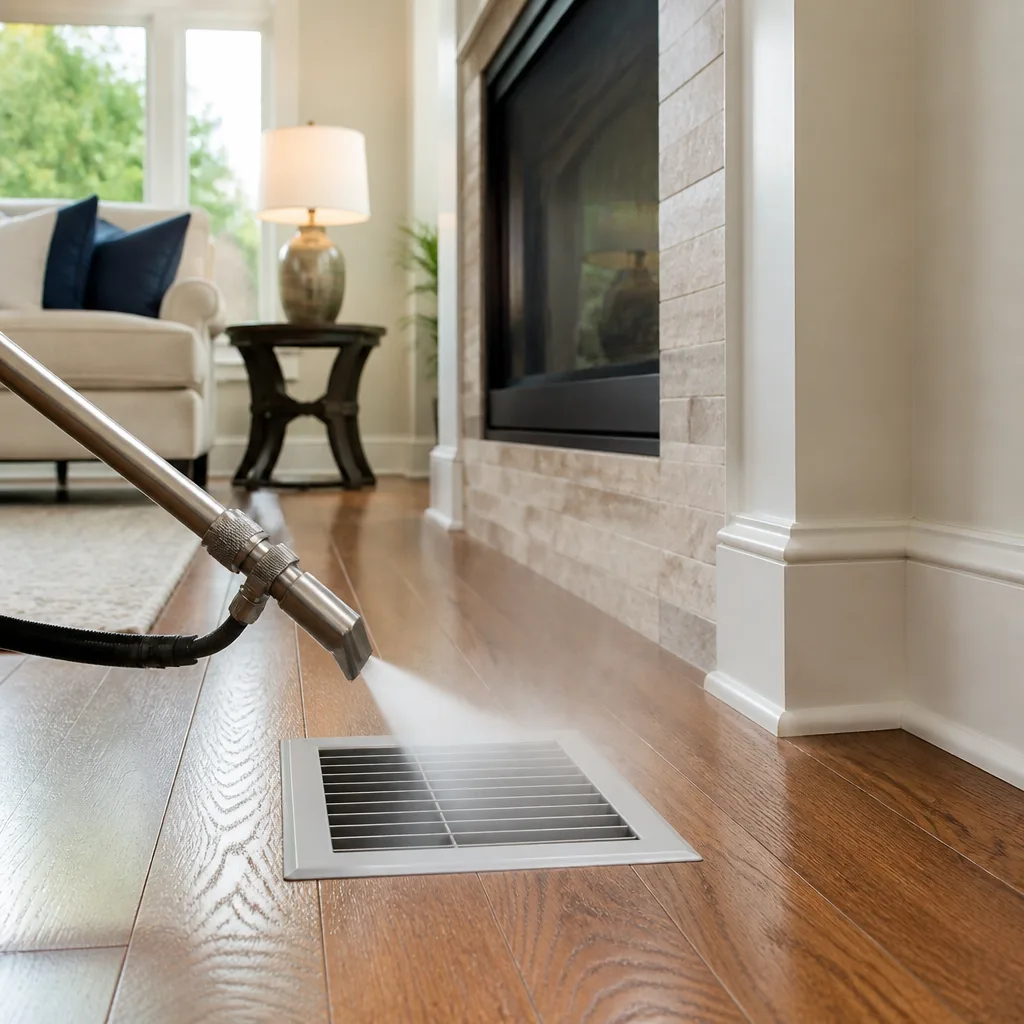 Sanitizing & deodorizing
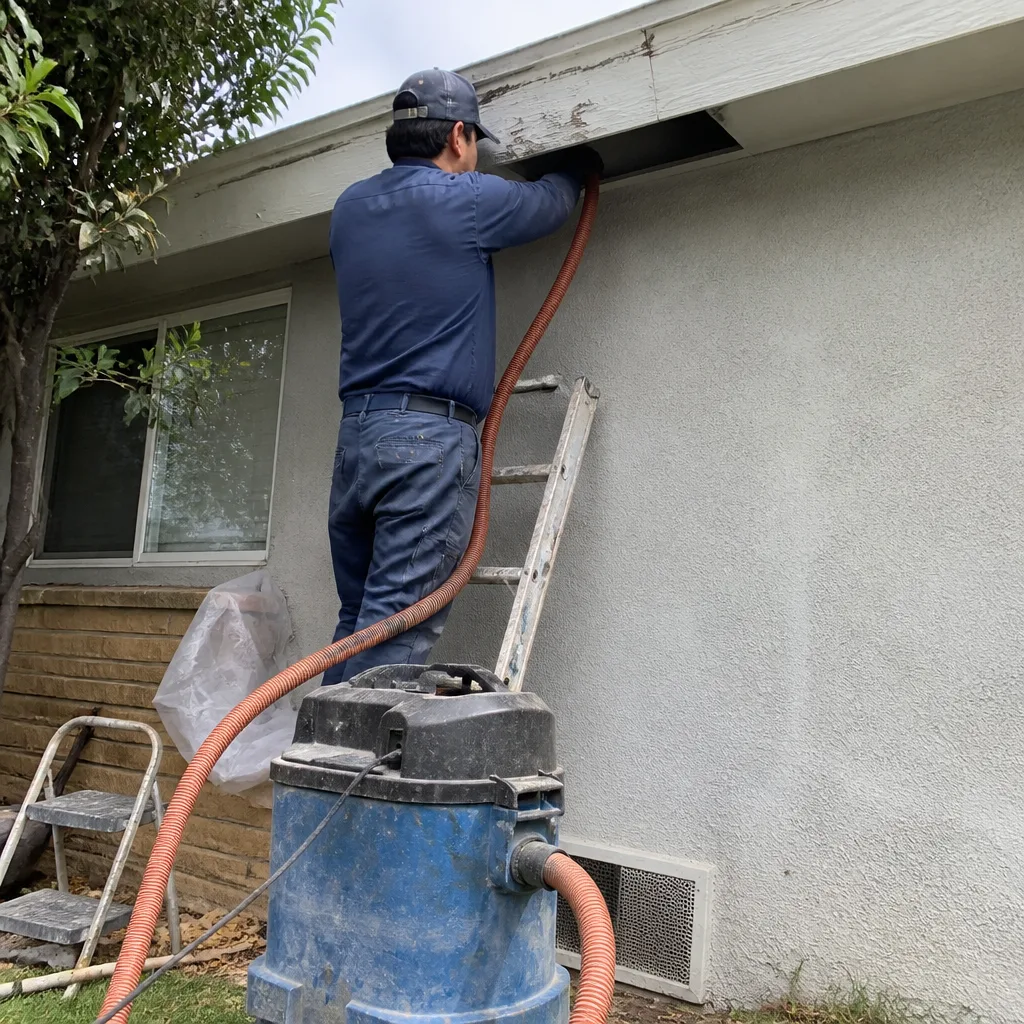
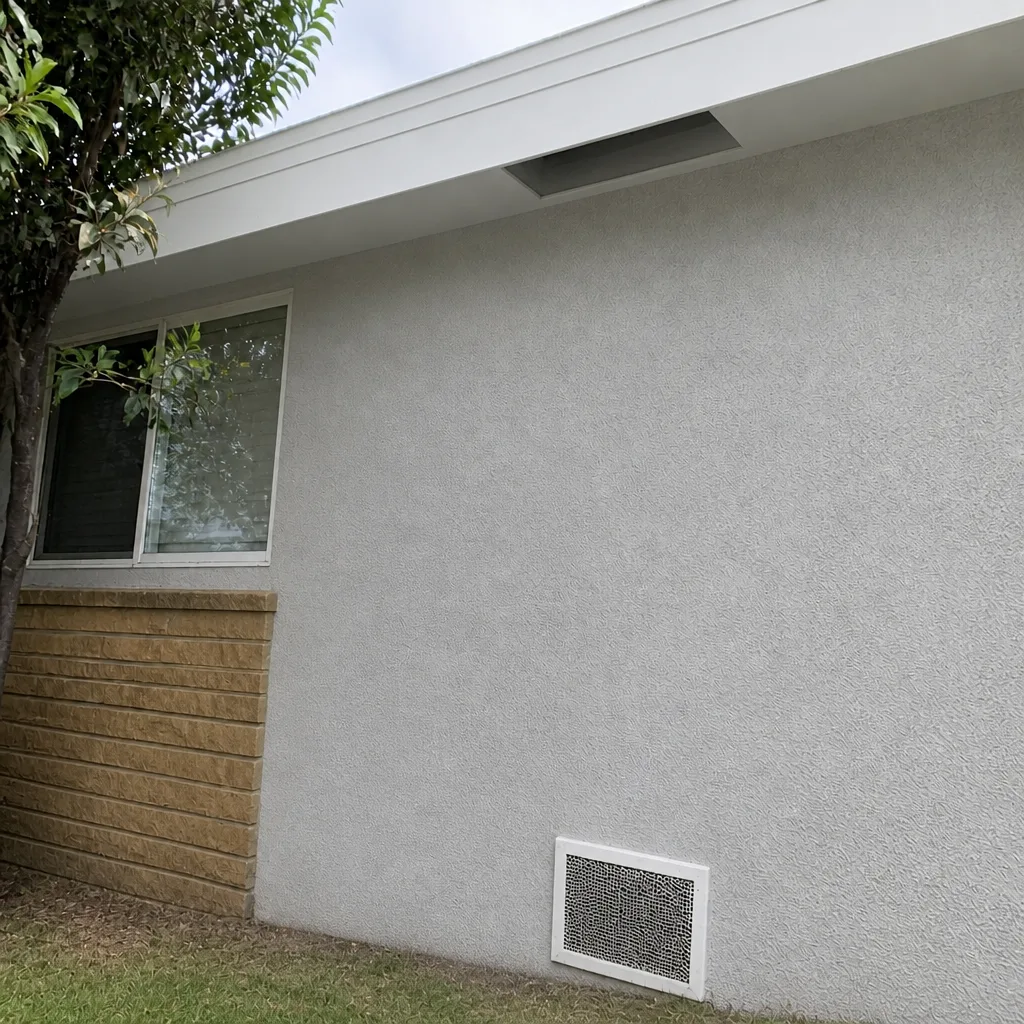
Whole-system duct and dryer vent check with before-and-after photos - you see exactly what came out of your vents
That "$99 whole-house special" is a bait ad - the real number appears once they are in your hallway, or the "clean" is a shop-vac at the register. We photograph the inside of your ducts before and after instead.
Air Duct Cleaning Permits, Codes & Inspections in University Park, CA: What You Need to Know
Cleaning your ducts doesn’t require a permit. That single fact leads a lot of University Park homeowners to assume the whole job sits outside regulation, and that’s where they get into trouble. The moment a duct cleaning visit grows into duct modification, mold remediation inside the system, or handling of older insulation that may contain asbestos, California’s regulatory picture shifts fast and the rules stop being casual. We wrote this guide because the line between “cleaning” and “regulated work” is real, and most people can’t see where it falls. By the end, you’ll know which California Code of Regulations sections matter, when a CSLB license comes into play, what to check before anyone touches your ductwork in University Park, and how to verify a contractor before work starts.
Quick Answer
Routine air duct cleaning in University Park, CA does not require a building permit, because cleaning is maintenance and not construction. Permits and code triggers appear when the work crosses into duct modification, duct replacement, mold remediation, or the disturbance of pre-1980 duct insulation or duct board that may contain asbestos. Disturbing certain insulation materials in California can also trigger OSHA notification and training requirements, which is why verification of the contractor before the visit matters more than the permit question alone.
Styles & brands we work with
- Whole-home duct cleaning
- Dryer vent cleaning
- Camera inspection
- Sanitizing & deodorizing
Table of Contents
- Cleaning Versus Modification: Where California Draws the Line
- When Mold Inside Ductwork Crosses Into CSLB License Territory
- Asbestos-Containing Duct Wrap and Duct Board in Older University Park Homes
- What Permits Are Actually Required for Sealing, Replacement, or UV Installation
- How to Verify a Contractor Before Work Begins
- What an Inspection Looks Like and What It Isn’t
- Renovation, Remodels, and Ductwork in University Park
- Dryer Vents: A Separate Code Conversation
Cleaning Versus Modification: Where California Draws the Line
The core legal distinction in California sits between maintenance and alteration. Cleaning is maintenance. Cutting, splicing, rerouting, resizing, or replacing ductwork is alteration, and alteration is where the California Code of Regulations and local building departments start paying attention. The California Code of Regulations, Title 24, Part 6 (the Energy Code) governs duct system requirements, including duct sealing and insulation values on altered or replaced sections. Title 24, Part 4 (the California Mechanical Code) covers the installation of duct systems themselves. Neither code section applies to a straight cleaning job. Both apply the moment the shape of the system changes.
In practice, that line shows up in conversations like this: a homeowner books an air duct cleaning for a house near the University of Southern California campus, and the technician finds a crushed flex run feeding a back bedroom. Cleaning that run is still maintenance. Replacing it, or cutting in a new takeoff to fix pressure problems, crosses into alteration and usually needs a permit pulled from the city. The distinction is legally defined and it’s not negotiable.
What cleaning actually involves, from a code standpoint, is access and containment. A proper cleaning job does not disturb the duct system’s structure. It removes debris from inside it, verifies the system wasn’t damaged in the process, and restores components exactly as found. That’s why it sits outside permit territory. If a contractor starts cutting into duct board to reach a hidden run, ask questions before they continue.
When Mold Inside Ductwork Crosses Into CSLB License Territory
Mold is the big dividing line in this trade. A duct cleaning company that finds light surface mildew on a return plenum and cleans it as part of the normal service is doing maintenance. A company that identifies active mold growth, proposes a remediation protocol, and performs that protocol is doing something else entirely, and California’s Contractors State License Board (CSLB) treats remediation as contractor work requiring a license classification that covers it.
That boundary matters because some duct cleaning companies blur it. If a technician opens a return and shows you a photo of dark growth with a remediation proposal and a price attached, you’re looking at a project that likely requires a CSLB-licensed contractor, not just a cleaning service. Ask directly: is this a cleaning, or is this remediation? The answer determines your recourse if anything goes wrong.
In our experience, most of what gets labeled “mold in the ducts” in University Park homes is dust, debris, or normal surface discoloration that a proper cleaning removes. Real mold growth requires moisture, and moisture inside ductwork almost always traces back to a source the cleaning company can’t fix: a leaking coil, a condensate pan issue, or high humidity in a crawlspace feeding a return. Finding the moisture source comes before remediation, and remediation comes before cleaning the rest of the system. Anyone proposing remediation without identifying a moisture source is skipping the step that matters.
Air Quality and Sanitizing falls on the cleaning side of the line when it’s applied as a post-clean treatment using products like Guardsman-grade sanitizers. It becomes remediation work when it’s proposed as the fix for an active mold problem. Those are two different jobs with two different regulatory footprints.
Asbestos-Containing Duct Wrap and Duct Board in Older University Park Homes
Homes built before 1980 in University Park and surrounding neighborhoods can contain asbestos in duct insulation, duct wrap, and duct board. This is the single most important code issue for older local houses, and it’s the one most homeowners have never heard about. Disturbing asbestos-containing materials during duct work can trigger occupational safety rules that apply to the contractor, not you, but that you have every right to ask about before work starts.
California enforces OSHA’s asbestos standards through its own occupational safety framework, and disturbing asbestos-containing materials above certain thresholds triggers notification, training, and work-practice requirements. A contractor who doesn’t know this is a contractor who shouldn’t be working in an older duct system.
How do you know if your home is affected? A visual inspection alone can’t confirm it. Pre-1980 duct wrap often looks indistinguishable from later materials. The only reliable way to know is laboratory testing of a sample, and if the material will be disturbed during the work, testing comes before the work. What you can look for:
- Duct wrap with a paper or foil face where the paper has become friable or crumbly
- Pre-formed duct board with a grayish or cement-like appearance on cut edges
- Any material that crumbles when handled rather than tearing cleanly
- Duct connections wrapped in a fabric-like tape that has become brittle
If any of those apply and the home predates 1980, ask the contractor what their asbestos protocol is. The answer will tell you a lot about the company. Our approach when we see suspect materials during a cleaning is to stop, report what we found, and let the homeowner decide whether testing is warranted before we continue. Cleaning the cleaner parts of the system around suspect materials is one thing. Disturbing them is another, and it’s not a decision we make on the homeowner’s behalf.
What Permits Are Actually Required for Sealing, Replacement, or UV Installation
This is where most University Park homeowners get surprised. The cleaning itself is permit-exempt. Every adjacent service has its own rule.
Duct sealing applied inside the ducts, or taping and mastic at accessible joints, is usually treated as maintenance and doesn’t require a permit. When sealing involves modification of the duct system’s structure or changes to the air distribution, the local building department may require a permit. Ask your city’s building department, because the answer depends on the scope and the jurisdiction.
Duct replacement almost always requires a permit. Replacing runs of ductwork in California touches Title 24 Energy Code requirements for duct insulation and duct sealing, and inspectors verify those at final inspection. That’s a permitted project, not a maintenance task. If anyone proposes replacing your ducts without a permit conversation, that’s a red flag.
UV system installation inside an air handler or duct plenum is an electrical modification. Electrical work in California requires a permit through the local building department, and UV systems are electrical devices. A company that also handles HVAC cleaning can tell you where the installation point is and coordinate the electrical side, but the permit itself comes from the city.
Here’s a quick comparative picture of what usually needs a permit and what doesn’t:
- Cleaning: no permit
- Sanitizing after cleaning: no permit
- Internal duct sealing in place: usually no permit, confirm with the city
- Duct replacement: permit required
- Adding or removing supply or return runs: permit required
- UV system installation: electrical permit required
- Asbestos abatement: follows a separate regulatory process, not a standard building permit
How to Verify a Contractor Before Work Begins
Verification takes about ten minutes and prevents nearly every problem a homeowner can have with duct work. The most important part is confirming the contractor’s California license status and their insurance coverage before anyone sets foot in the house. Here’s the sequence:
- Check the CSLB license lookup. Search the contractor’s business name on the Contractors State License Board website. A license should show active status, the correct classification, and any history of disciplinary action. Clear history is what you want to see.
- Ask for a current certificate of general liability insurance. The certificate should name the policyholder as the business doing the work, not just a subcontractor. Call the insurance carrier’s listed number to confirm the policy is active, because certificates can be revised or lapse.
- Ask for workers’ compensation coverage. If the company has employees working in your home, workers’ comp matters. An uninsured worker injured in your home can create liability problems that homeowners don’t anticipate.
- Get the scope of work in writing. The written estimate should specify what’s being cleaned, what’s being repaired, what’s being replaced, and what the flat price is for the whole job. Per-vent pricing is a warning sign because it invites the bait-and-switch model this industry struggles with.
- Confirm who is actually doing the work. If the company subcontracts the visit to another crew, you want to know that before the crew arrives. One crew, full scope, is simpler to verify and simpler to hold accountable.
- Ask about equipment. Professional-grade systems like Rotobrush and Nikro, or Abatement Technologies containment equipment, tell you something concrete about how the company operates. Consumer-grade vacuums and shop vacs don’t belong in a duct system.
For homeowners in University Park, that ten-minute check is the difference between a job done well and a job that leads to a call to the CSLB. We ask every customer to run the check. It protects them, and it protects the trade from companies that cut corners.
What an Inspection Looks Like and What It Isn’t
Air duct cleaning is not a permitted project, so there is no city inspection at the end of it. This confuses homeowners who assume a licensed inspector will verify the work. The verification is entirely the homeowner’s responsibility, and it happens before the job, during the job, and at the walkthrough afterward.
What a proper cleaning verification looks like:
- Before photos. The technician photographs accessible duct interiors before cleaning, typically at the return plenum, trunk lines, and a sample of supply runs. Those photos should be shared with the homeowner.
- After photos. The same locations photographed after cleaning. Before-and-after comparison is how you know the work was done.
- Containment verification. If the work involves remediation-grade equipment, you should be able to see the vacuum setup and containment. Abatement Technologies equipment operates with HEPA filtration and negative air pressure, which is a visible difference from a shop-vac setup.
- Component check. Registers, grilles, plenum connections, and the air handler are inspected for condition after the cleaning. Damage discovered post-cleaning should be documented and addressed.
When a permit is required, as with duct replacement, an inspection from the local building department happens at defined stages set by the jurisdiction. That inspection verifies the install meets code, not that the cleaning was thorough. Two different checkpoints, two different purposes.
At the end of every job, we walk the homeowner through the photos and the findings. That walkthrough is the closest thing to an inspection that a duct cleaning visit has, and it should feel like it: specific, documented, and verifiable. Clean ducts are only half the job. Verifying the work is the other half.
Renovation, Remodels, and Ductwork in University Park
Renovation is the most common trigger for code questions we see in University Park. A single-family home built in the 1920s near the University of Southern California gets a remodel, and suddenly the duct system is exposed, modified, and part of an inspection scope that didn’t exist a month before.
What renovation changes:
- Permit scope expands. When a remodel pulls a building permit, the ductwork touched by that remodel falls under the permit. Duct modifications made during construction are inspected as part of the larger project.
- Energy Code applies. Duct sealing and duct insulation in altered sections must meet Title 24 Energy Code requirements, and the inspector verifies that at the appropriate stage.
- Older materials surface. Tearing into walls exposes duct runs that have been enclosed for decades. Pre-1980 duct wrap and duct board often show up during remodeling, and that’s when asbestos testing questions come up. Testing before disturbance is the standard.
- Post-renovation cleaning becomes important. Drywall dust, sawdust, and construction debris settle in the duct system during a remodel. A cleaning after construction is done, but before occupancy, is the practical sequence.
Property managers around University Park who handle rental turnover see this regularly. A unit gets renovated between tenants, and the duct cleaning that follows is scheduled tightly against the move-in date. Getting the cleaning on the calendar early, and confirming the permit scope is closed before the cleaning starts, avoids rework and delays. Scheduling a dryer vent cleaning in the same visit is a practical add-on for rental turnovers, since both the duct system and the dryer vent get maintained in one trip.
Dryer Vents: A Separate Code Conversation
Dryer vents follow a different rulebook than air ducts, and this matters because dryer vent cleaning is often bundled with a duct cleaning visit. The California Mechanical Code, Title 24, Part 4, sets requirements for dryer exhaust ducts: maximum length, maximum number of elbows, materials, and termination. A dryer vent that’s been rerouted or extended improperly during past renovations is a code issue separate from the ducts, and a cleaning visit is a natural moment to check it.
The fire-safety case for dryer vent maintenance is straightforward and doesn’t need a statistic. Lint accumulates in the vent line. Restricted airflow causes lint to collect at higher temperatures. The vent is an ignition path. Cleaning the vent removes the fuel.
What to look for in a dryer vent system:
- Flexible foil or vinyl duct in place of rigid metal duct
- More than the standard number of elbows in the run, which restricts airflow
- Long runs that exceed the code maximum for the vent diameter
- Vents that terminate inside the home, in an attic, or in a crawlspace
- Visible lint accumulation at the outdoor termination or in the vent line
When a cleaning visit finds any of those, the correct response is to flag it and recommend repair, not to quietly clean what’s there and move on. Your dryer vent is a fire hazard waiting to happen if it’s poorly installed, and a cleaning company that ignores the installation is doing half the job. This is also a code conversation, not just a maintenance one, because a dryer vent that doesn’t meet the mechanical code requirements is a defect regardless of how clean it is.
Common Mistakes to Avoid
- Assuming no permit means no regulation. Cleaning doesn’t need a permit, but the version of the job that involves cutting, replacing, or remediating is regulated, and treating the whole visit as permit-free is the mistake that costs homeowners money. Ask what the scope is before work starts.
- Accepting a mold diagnosis on a photo alone. Dark growth in a return plenum isn’t proof of active mold. Real mold requires moisture, and a proper diagnosis includes moisture source identification. If a company proposes remediation without finding the source, get a second opinion.
- Not asking about asbestos in a pre-1980 home. University Park has plenty of homes that predate 1980, and duct wrap from that era can contain asbestos. The question to ask before work is what the contractor’s asbestos protocol is. A company without one shouldn’t be in the ductwork.
- Skipping the CSLB check. The CSLB license lookup takes two minutes. Skipping it means finding out about a license problem after the work is done, when your recourse is much narrower.
- Accepting per-vent pricing. A per-vent quote leaves the total bill open to drift as the technician finds “extra” vents, or finds fewer and charges more per vent. One flat price per system is what you want in writing.
- Ignoring the dryer vent during a duct cleaning. The two systems often share a maintenance window and the dryer vent is the higher fire-risk of the two. A cleaning that skips it leaves a real safety issue untouched.
- Booking a post-renovation cleaning before the permit scope closes. If the remodel permit is still open, finishing ductwork inspections first avoids having to reopen walls or redo work. Sequence the cleaning after the permit closes, not before.
See the difference
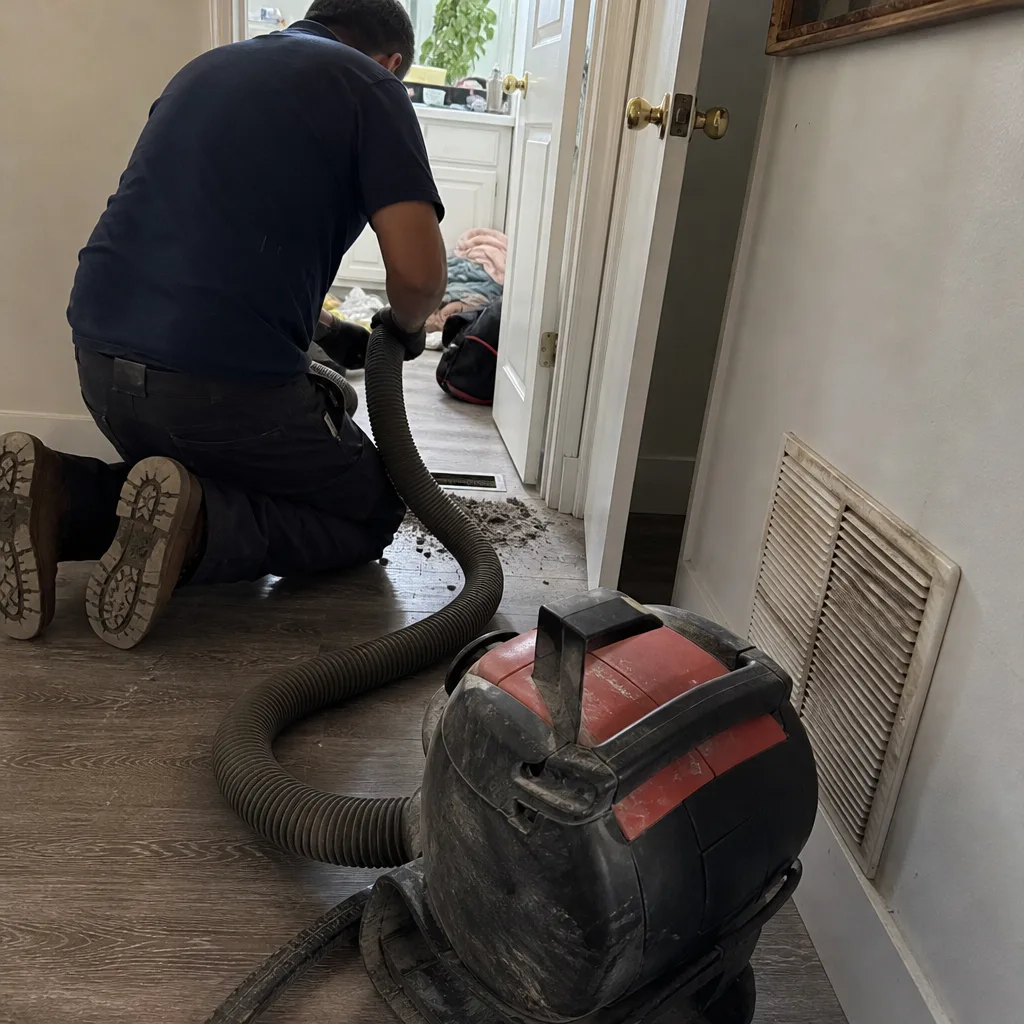 Before
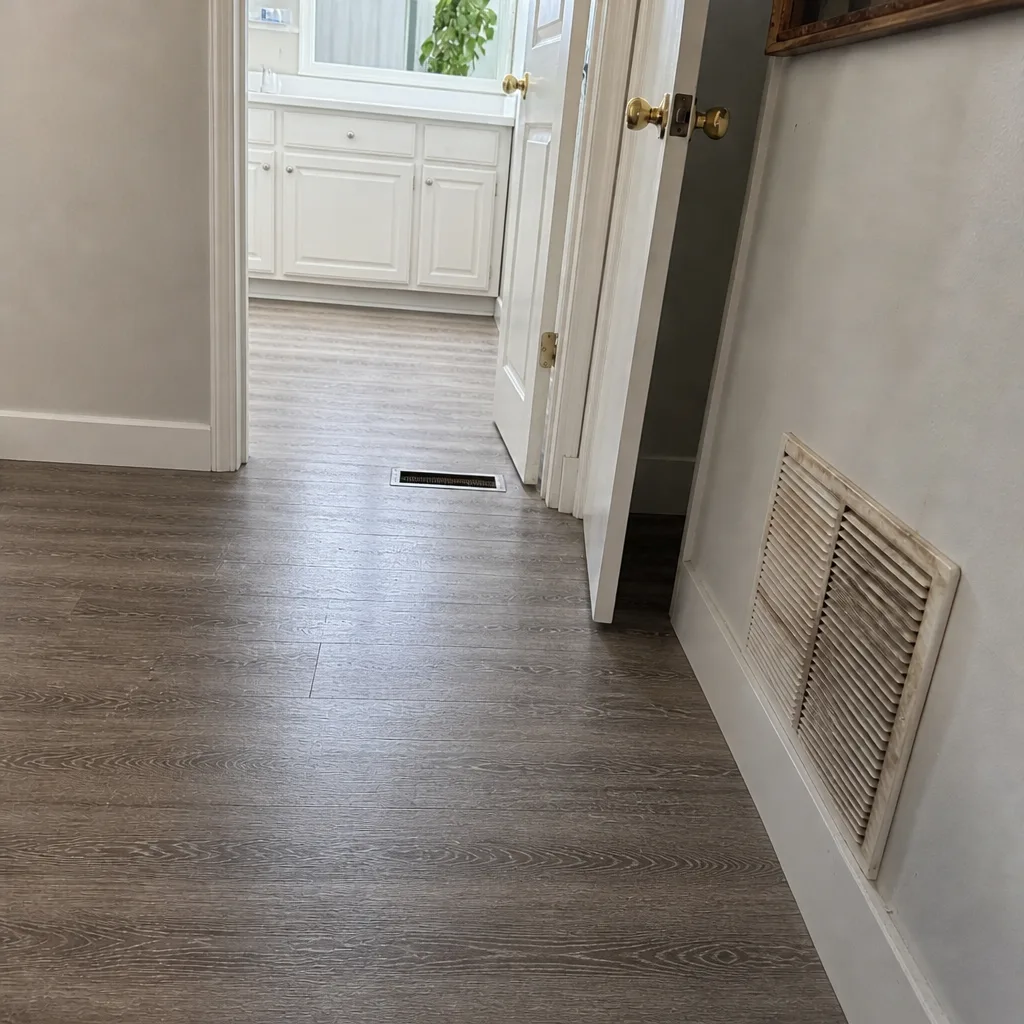 After
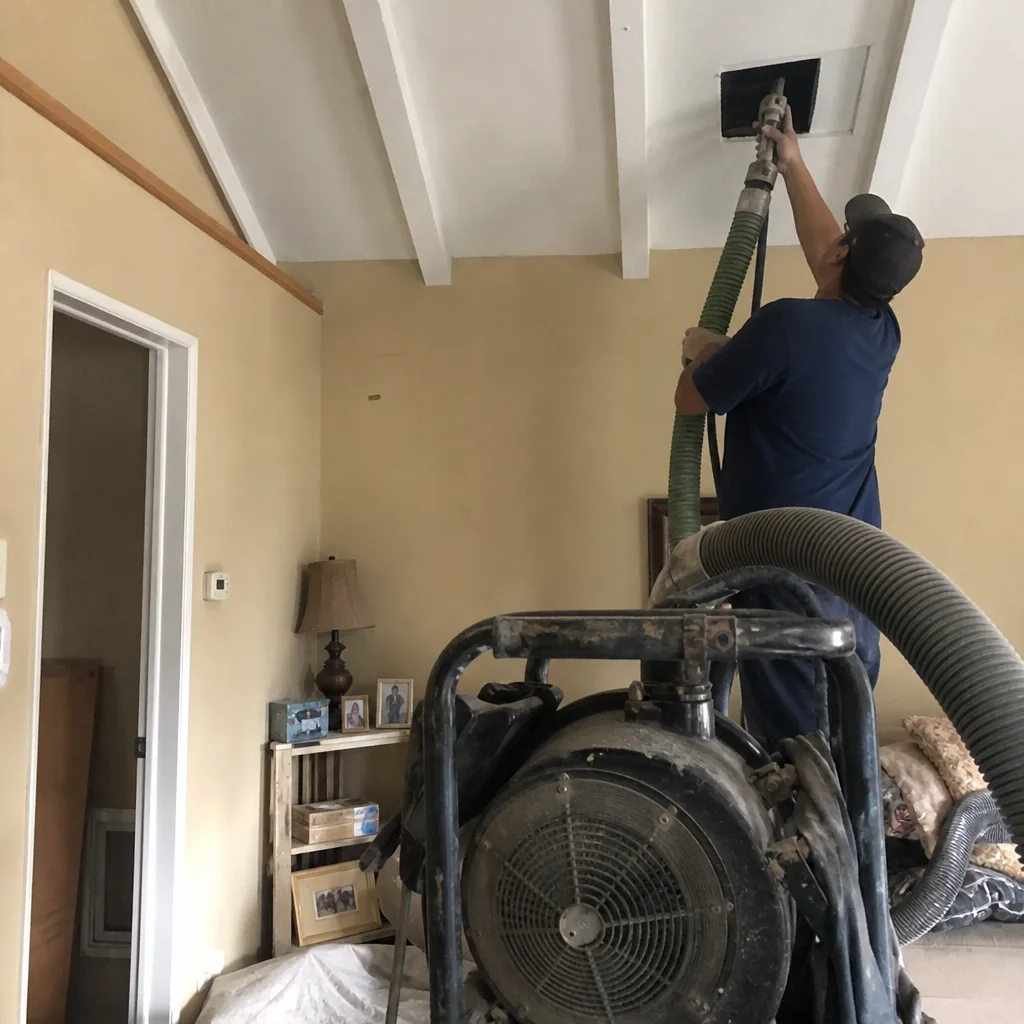 Before
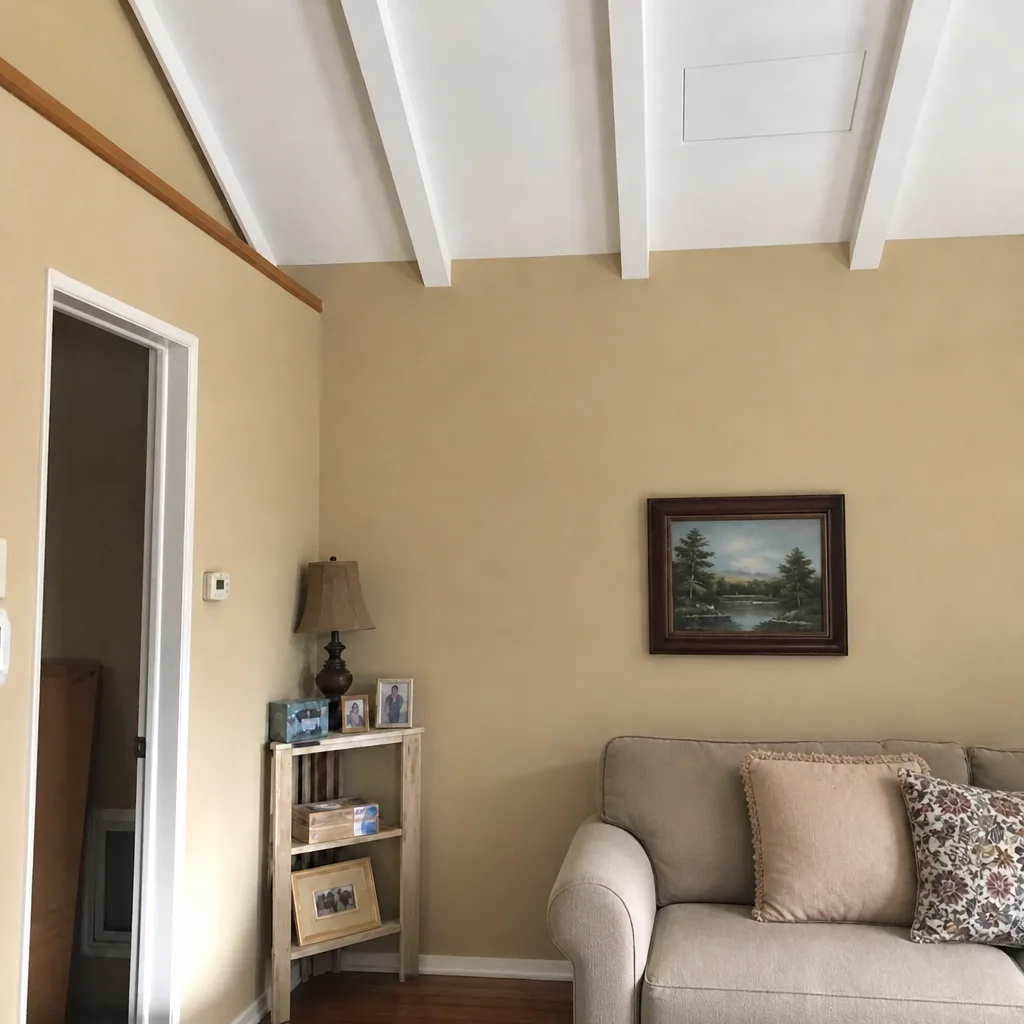 After
 Before
 After
When to Call a Professional
Some of the questions in this guide aren’t answerable over the phone, and that’s when a professional visit makes sense. Suspect asbestos-containing materials in a pre-1980 home, mold growth inside ductwork that traces to a moisture source, a renovation that will expose duct runs, a dryer vent that runs long or terminates in the wrong location, or ductwork that’s visible through a recent home inspection report: those are all conditions that warrant a professional look before you commit to any remediation or modification plan.
Verification is also a good reason to call. If you’ve had a quote you’re not sure about, especially one from a company using per-vent pricing or proposing remediation without a moisture source, a second opinion from a specialist with visible equipment and a clear written scope is worth having. University Park Air Duct Cleaning Co offers free estimates in University Park. Call (866) 947-8605. We answer 24/7. Fast dispatch from 7am to 7pm, Sunday through Friday.
Frequently Asked Questions
No. Air duct cleaning is maintenance and doesn’t require a building permit in University Park or anywhere else in California. Permits appear when the work crosses into modification, replacement, or electrical work like UV installation. Call (866) 947-8605 for an exact scope on your job before you book.
Usually not, when sealing is applied at existing joints as maintenance. Sealing that changes the duct system’s structure or distribution can require a permit, and the answer depends on scope and jurisdiction, so confirm with your city’s building department. A written scope from the contractor makes that conversation much shorter.
You can’t confirm it visually. Pre-1980 duct wrap and duct board can look identical to later materials, and the only reliable method is laboratory testing of a sample. If your home was built before 1980 and the work will disturb duct insulation, arrange testing before the work proceeds. Call (866) 947-8605 if you want us to look at what’s there first.
No. Mold remediation in ductwork is contractor territory under California’s CSLB framework, not standard duct cleaning. A company proposing remediation should be able to explain its license classification and identify the moisture source driving the growth before proposing a remediation protocol. Cleaning around light surface mildew is a different job.
Check the CSLB license lookup, ask for a current certificate of general liability insurance, confirm workers’ compensation coverage, get a written scope with a flat price per system, and confirm who is actually doing the work. Professional-grade equipment matters too. Rotobrush and Nikro systems are the platforms commercial HVAC contractors use, and they’re a reasonable baseline. Call (866) 947-8605 for a free estimate.
Yes, in most California jurisdictions, because UV installation is electrical work. Electrical modifications require a permit through the local building department, and the installation point inside the air handler or plenum is part of that scope. The permit is pulled by whoever performs the electrical work. For a free estimate on the cleaning and air quality side, call (866) 947-8605.
The Bottom Line
Air duct cleaning doesn’t need a permit. Duct modification, replacement, mold remediation, asbestos disturbance, and UV installation all do, or fall under other regulatory frameworks that matter as much. The distinction between cleaning and modification sits in California Code of Regulations Title 24, Parts 4 and 6, and it’s not a technicality: it determines who’s licensed to do which part of the job. Before any work starts in a University Park home, verify the CSLB license, the liability insurance, and the workers’ comp coverage. Get the scope in writing with a flat price per system, ask about asbestos if the home predates 1980, and check the dryer vent while you’re thinking about ductwork. If any of it’s unclear, call us and we’ll walk through it.
Call University Park Air Duct Cleaning Co at (866) 947-8605 for a free estimate. We answer 24/7. Fast dispatch from 7am to 7pm, Sunday through Friday. We work with professional-grade equipment from Rotobrush, Nikro, and Abatement Technologies, and we install Honeywell and Aprilaire air quality products on the same visit when they’re the right fit. Clean ducts are only half the job. Getting the code questions right is the other half, and it’s the half that protects you.
Written by the team at University Park Air Duct Cleaning Co.