
Last updated November 24, 2026
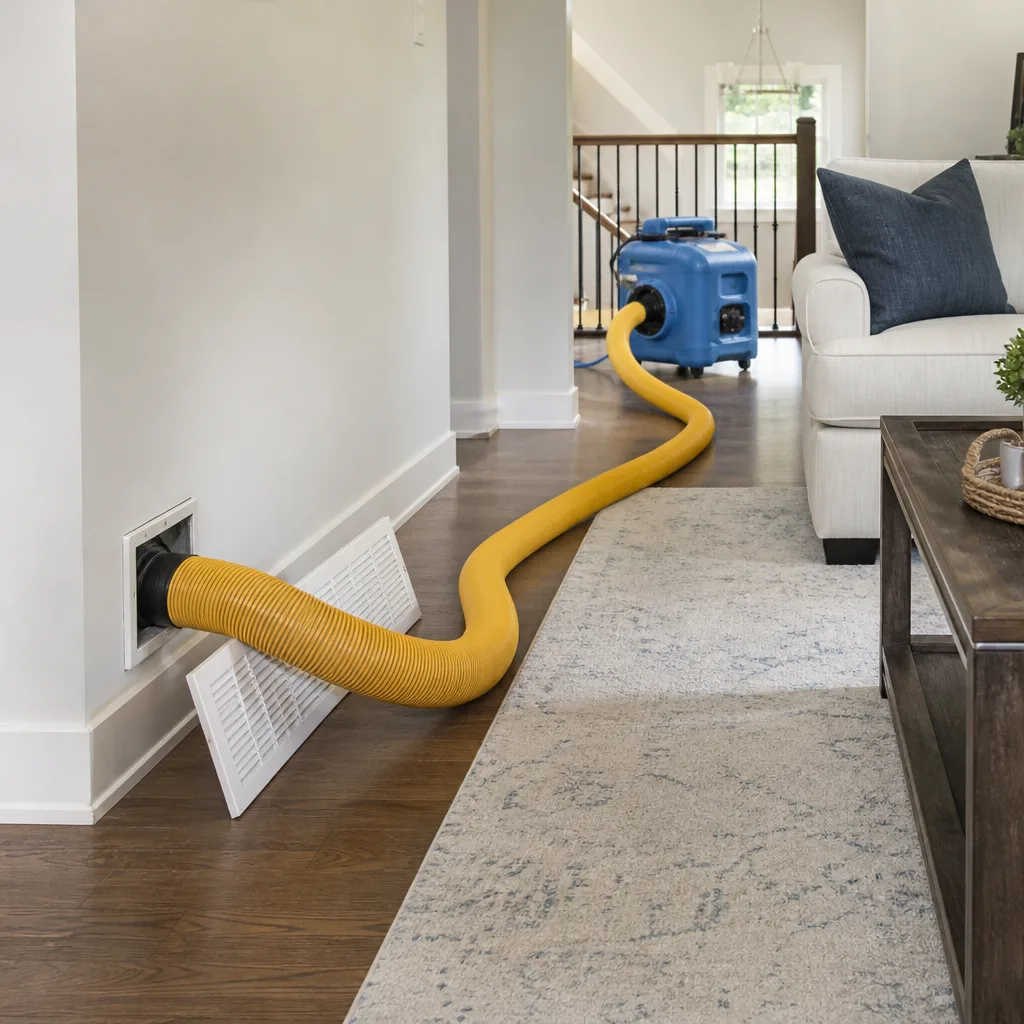 Whole-home duct cleaning
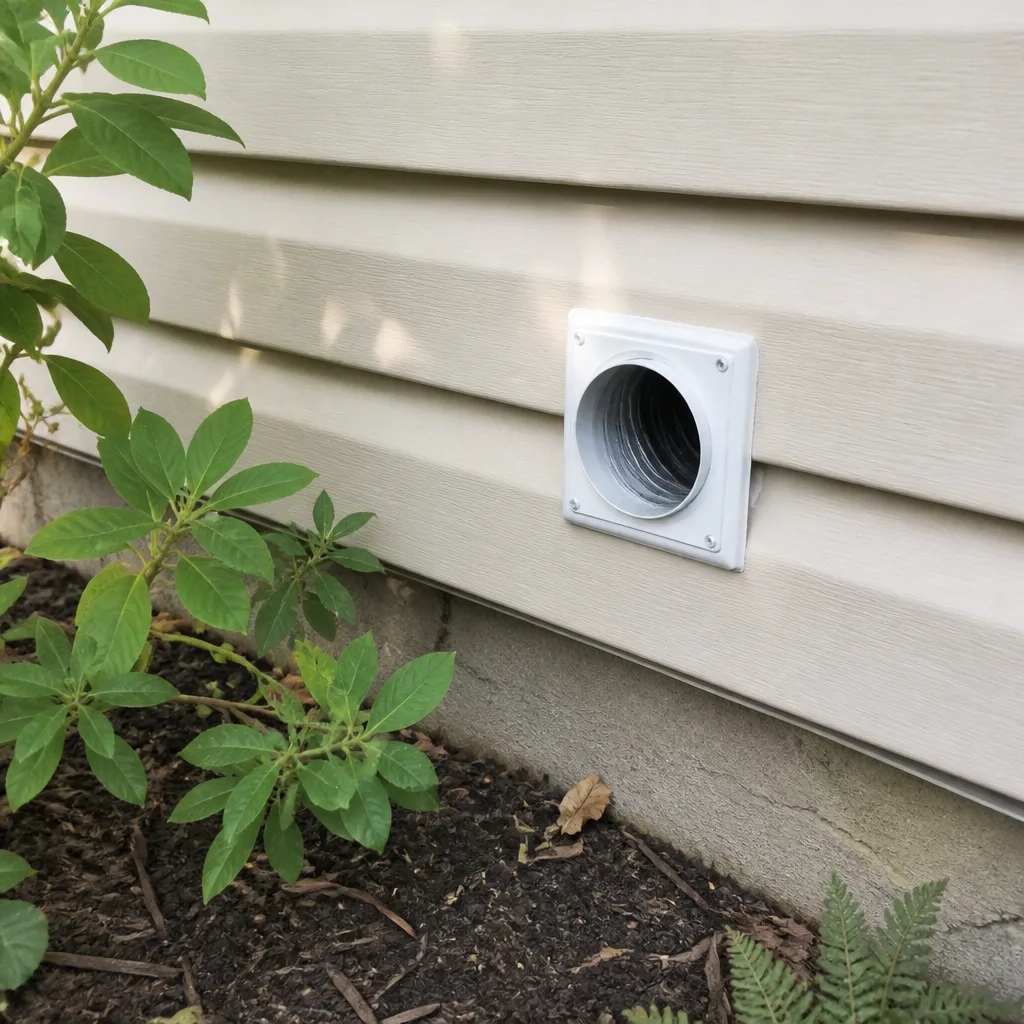 Dryer vent cleaning
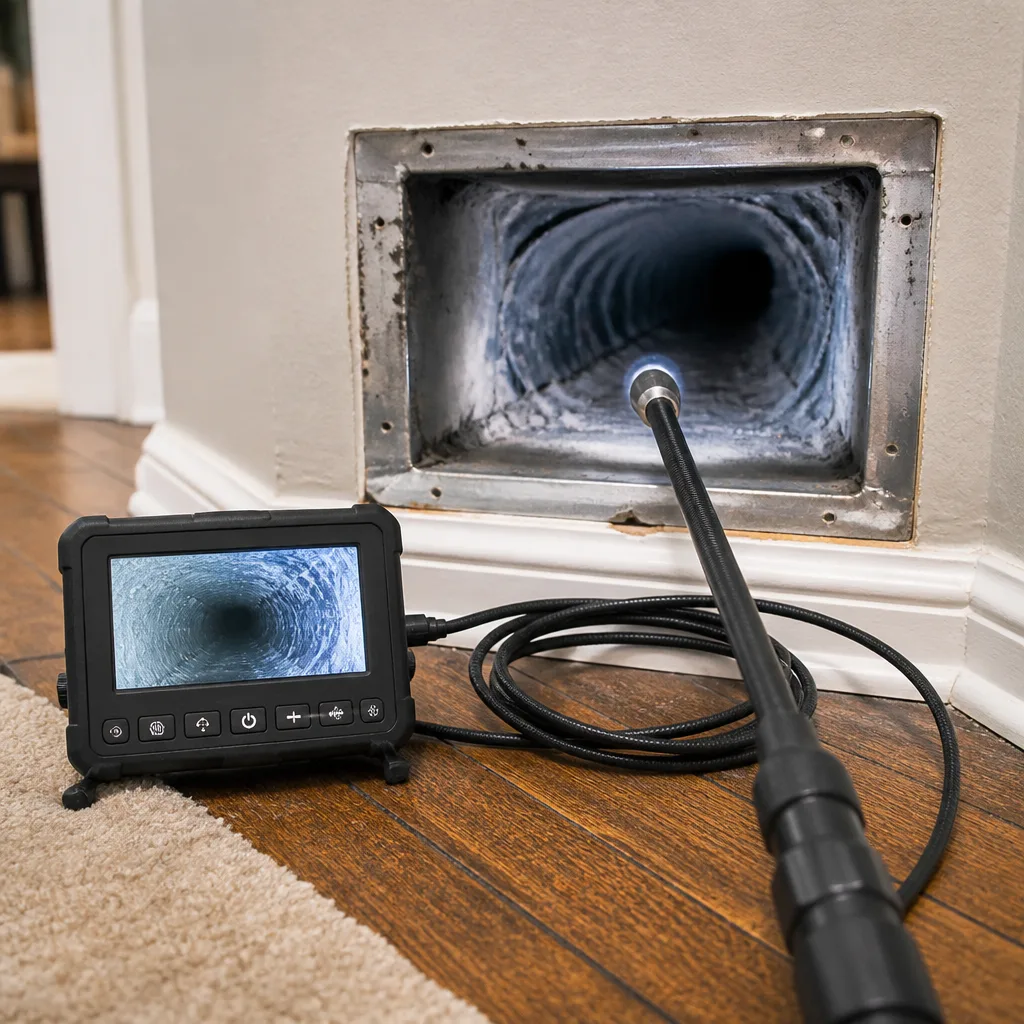 Camera inspection
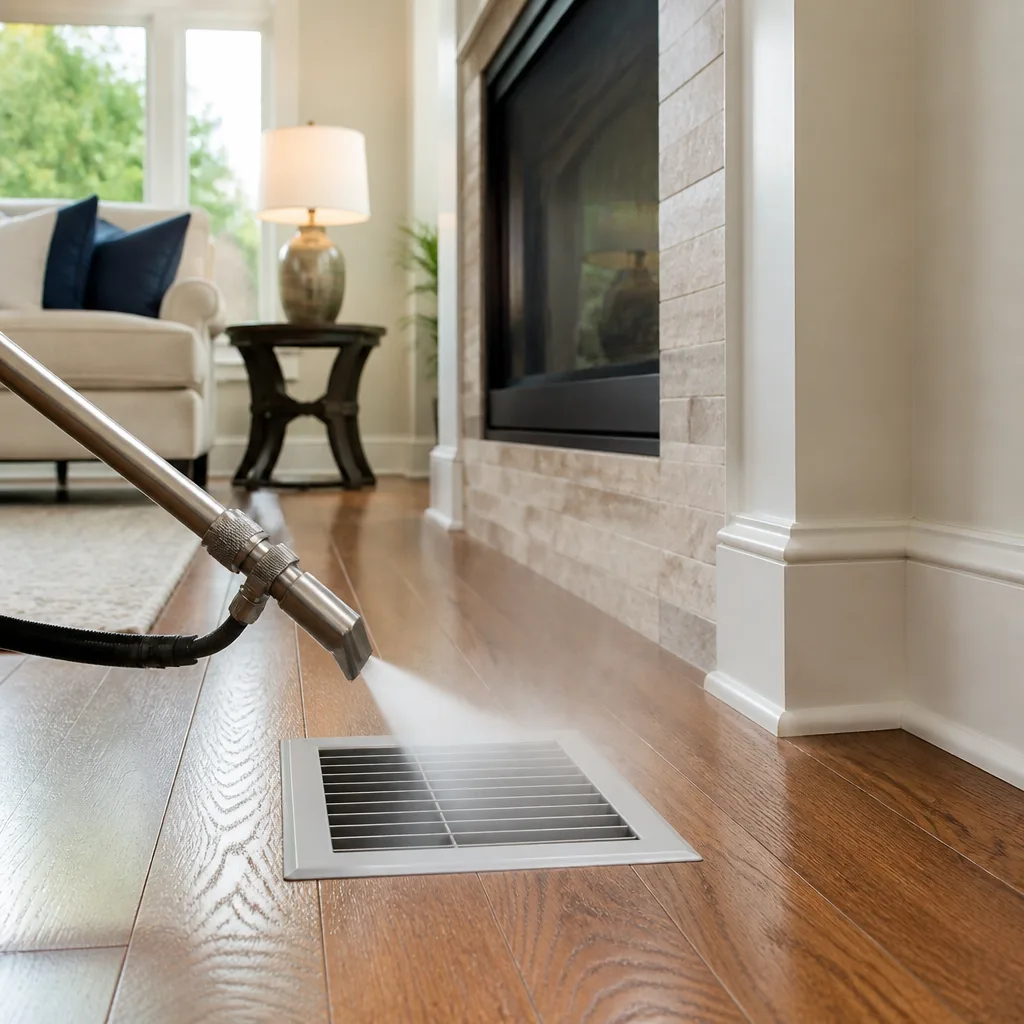 Sanitizing & deodorizing
Whole-system duct and dryer vent check with before-and-after photos - you see exactly what came out of your vents
That "$99 whole-house special" is a bait ad - the real number appears once they are in your hallway, or the "clean" is a shop-vac at the register. We photograph the inside of your ducts before and after instead.
The Complete Guide to Air Duct Cleaning in University Park
Here’s the part most duct cleaning companies leave out of their marketing: the EPA does not recommend routine air duct cleaning on a fixed schedule. Not every year. Not every three years. That caveat isn’t a loophole or a technicality, and it isn’t a reason to avoid the work. It exists because duct contamination varies enormously from one home to the next, and cleaning a system that doesn’t need it wastes money without improving air quality. The useful question isn’t “how often,” it’s “what’s actually in my ducts, and how do I know?” This guide answers that from the equipment up: what a real cleaning involves, how University Park’s climate shapes what ends up in your system, what to ask before work starts, and what you should walk away with when it’s done.
Quick Answer
Air duct cleaning in University Park means removing built-up dust, debris, and contaminants from inside the duct system using professional-grade negative-pressure and agitation equipment, not just vacuuming the intake grilles. Whether your home needs it depends on what’s inside the ducts, and that’s why a proper inspection comes first. A serious service should remove the contamination at its source, verify the work with before-and-after documentation, and address the repair, sealing, and air quality issues the cleaning reveals.
Styles & brands we work with
- Whole-home duct cleaning
- Dryer vent cleaning
- Camera inspection
- Sanitizing & deodorizing
Table of Contents
- What Air Duct Cleaning Actually Removes
- What NADCA Source-Removal Standards Really Require
- How University Park’s Climate Changes What’s in Your Ducts
- Visual Inspection, Camera Inspection, or Pressure Test: Which Do You Need?
- Why Duct System Design Affects How Well It Can Be Cleaned
- What Air Duct Cleaning Costs in University Park
- The Equipment Gap: What Professional Systems Do Differently
- What Documentation You Should Receive After Cleaning
What Air Duct Cleaning Actually Removes
Air duct cleaning removes the accumulated material that builds up on the interior walls of the supply and return ducts over time: settled dust, pet dander, hair, construction debris from renovations, and in some homes mold spores or pest evidence. A thorough job reaches the full length of the duct run, not just the first few feet you can see from the register.
The distinction that matters is between surface cleaning and source removal. Surface cleaning wipes down the grilles and vacuums the visible opening. Source removal means the buildup that has bonded to the duct walls is agitated loose and captured under negative pressure, so it leaves the system rather than getting stirred into the air. When we talk about the difference between a real duct cleaning and a cheap one, this is it. The cheap version leaves the contamination in place and moves it around.
What typically comes out of a residential system:
- Settled dust that has compacted against the duct interior, especially in horizontal runs and return ducts
- Drywall dust and construction debris following a remodel or addition
- Pet hair and dander collected where airflow slows near turns and branches
- Pollen and airborne particulate pulled in through the return and trapped down the line
- In some cases, visible microbial growth on duct surfaces that points to a moisture problem upstream
One honest note: cleaning won’t fix a system with an active moisture issue, and it won’t repair gaps or crushed sections. That’s why at University Park Air Duct Cleaning Co, cleaning is one service among several. Duct repair and sealing are handled by the same crew on the same visit, because you’ll often need all three.
What NADCA Source-Removal Standards Really Require
The National Air Duct Cleaners Association (NADCA) publishes the standard most serious duct cleaners work toward, and it’s built on a principle called source removal. That means the contaminant has to actually leave the system, and the cleaning has to reach every component that air passes through: the supply ducts, the return ducts, the registers, the plenum, and the air handler coil area.
Here’s what most discount services deliver compared to a source-removal job:
- Containment. A real cleaning establishes negative air pressure inside the system before agitation begins, so loosened debris gets captured rather than pushed into living spaces. Many budget services skip containment entirely.
- Mechanical agitation. Rotating brushes and air whips are used to loosen bonded material from duct walls. Vacuum alone can’t dislodge what’s stuck.
- Complete coverage. Every accessible branch and run gets cleaned, not just the ones nearest the equipment hookup or the registers easiest to reach.
- Component cleaning. The air handler, blower, and coil get cleaned as part of the job. Cleaning ducts while leaving a dirty blower is only half the work.
- Verification. The contractor inspects the interior after cleaning and provides before-and-after documentation. This is where standards and reality either line up or don’t.
When you’re comparing quotes in University Park, ask each contractor which of these five steps they include. The bids often diverge on containment and agitation, and those two are where the quality of the job actually lives. A quote that’s dramatically cheaper is usually missing one or both.
How University Park’s Climate Changes What’s in Your Ducts
University Park sits in a part of California with a mild climate and coastal influence, and that shapes the contamination your ducts collect differently than you’d see in a cold-winter or desert climate. Mild winters mean the HVAC system runs less in heating mode but the return still pulls air continuously, and the local air carries fine particulate that settles in the ductwork over months of operation.
Wildfire smoke is the other major factor. During smoke season, the same filtration and return system that keeps your home comfortable also draws particles in from outside. A well-sealed return with a quality filter traps much of it, but over the course of a season, fine smoke particulate settles inside duct runs, especially in homes on the older side where the ducts may have gaps. Those gaps let unfiltered air in, which is one reason duct sealing and cleaning so often belong together in University Park homes.
What we see most often in the area:
- Fine dust and smoke particulate compacted in return ducts, where airflow slows before the filter
- Outdoor particulate pulled in through poorly sealed duct joints and gaps
- Pollen accumulation pushed in during the mild spring and early summer
- Debris from older construction and past remodels in homes with original ductwork
That combination, mild climate plus smoke corridors, is one of the reasons we treat duct inspection as a real diagnostic step rather than a sales pitch. The right recommendation for a University Park home depends on what your specific system has been pulling in.
Visual Inspection, Camera Inspection, or Pressure Test: Which Do You Need?
Not every inspection is the same, and knowing the difference tells you how much to trust the recommendation you get. There are three levels, and a good contractor will tell you honestly which one your situation calls for before quoting any work.
- Visual inspection. The technician removes a few registers and looks inside the visible duct sections with a flashlight. It’s fast and useful for the first few feet, but it can’t see around corners or down long runs. This is fine for a quick check, but it’s not a complete picture.
- Camera inspection. A camera is fed down the duct so the technician can see the full length of the run, including the parts you can’t reach visually. This is where the real condition shows up: buildup depth, moisture evidence, crushed or separated sections, and gaps at joints. For an older University Park home or a system with a problem the homeowner has noticed, a camera inspection is the right level.
- Pressure test. A pressure test measures how much air is escaping from the duct system, which tells you whether sealing needs to be part of the plan. It answers a different question than a camera does: not what’s inside the ducts, but how well the system is holding air.
Before any work begins, ask for a camera inspection of at least the main runs and a clear answer on whether a pressure test makes sense for your home. If a contractor won’t do either and only quotes a “standard cleaning,” that’s a sign the recommendation isn’t built on anything specific to your system. We use camera inspection routinely on first visits for exactly this reason, because it turns the conversation from guesswork into evidence.
Why Duct System Design Affects How Well It Can Be Cleaned
Two homes with the same square footage can have very different duct systems, and the design determines how thoroughly any contractor can clean it. The most common material in modern residential work is flexible duct, which is corrugated and has ridges where dust collects. Hard pipe ductwork, typically galvanized steel, is smoother and easier to clean thoroughly. Older University Park homes often have a mix, with hard pipe in the main trunk and flex in the branch runs.
The return-to-supply ratio is the other factor. A duct system has supply ducts that push conditioned air into rooms and return ducts that pull air back. When the return path is undersized relative to the supply side, the system works harder and returns pull more air quickly, which changes where dust accumulates. A small return can create fast-moving air that deposits particulate near the air handler, while decently sized returns let material settle further down. Either way, a well-designed system can be cleaned more completely than a system with crushed flex duct, sharp elbows, or undersized returns that limit tool access.
What this means for you: a contractor who tells you your system can’t be fully cleaned is often being honest, not making excuses. Flex duct with sharp turns limits how far a brush can travel. Hard pipe with crushed sections can’t be cleaned past the crush, but it can be repaired. That’s why the cleaning, repair, and sealing services belong with one crew. Cleaning a system you’re about to repair is wasted effort, and we’d rather do both in the right order.
What Air Duct Cleaning Costs in University Park
Air duct cleaning in University Park is priced per system, not per vent, and that distinction matters more than the number itself. Per-vent pricing is exactly how bait-and-switch quotes happen: a low figure advertised for the first few vents, then a much larger invoice once the technician is on site and counting. That’s why we price the whole system before work starts, with one flat price agreed before anyone touches a register.
Typical estimated ranges for University Park homes, based on what the job involves:
- Standard single-system cleaning (registers, supplies, returns, and air handler area): typical for a home with an average number of runs
- Larger or multi-zone systems: higher, because more runs and more equipment time are involved
- Cleaning plus repair and sealing: priced together, since sealing is done while the system is open
- Dryer vent cleaning as a standalone safety service: priced separately from HVAC ductwork
Exact prices vary with the size and condition of your system and how much access the ductwork allows. That’s why the written estimate is the price that holds. We’d rather tell you what the job costs based on what we find than quote a teaser figure that grows later. The real question most University Park homeowners ask is why one quote is hundreds less than another, and the answer usually lives in the equipment and the containment step, not in any difference in the ducts themselves.
The Equipment Gap: What Professional Systems Do Differently
The equipment a contractor brings determines what the job can actually accomplish, and this is where most quotes separate. Consumer-grade shop vacuums and small portable machines can’t generate the negative pressure needed to pull loosened debris out of a full duct run. Professional systems can, and we run two of them: Rotobrush and Nikro, the same platforms trusted by commercial HVAC contractors.
Rotobrush is built for residential duct cleaning around a rotating brush system that agitates and captures simultaneously, and it reaches into small and awkward runs where a larger vacuum head can’t fit. Nikro adds heavy-duty negative-pressure capability that holds containment across a whole system. Using both on a single home isn’t redundancy; it’s the difference between surface cleaning and reaching the deep runs. We also bring Abatement Technologies equipment, which is remediation-grade, with HEPA filtration and negative air pressure typically reserved for mold or contaminant abatement work. That’s the capability you want if the inspection turns up something beyond dust.
For air quality after the cleaning, we source and install Honeywell and Aprilaire products during the same visit: filtration and humidity control systems that improve the system you have rather than just clean what’s already there. If you want to understand the full range of what we handle under one roof, the University Park Air Duct Cleaning Co pages lay out all five services. The idea is simple: you shouldn’t have to call a second company to finish the job. For ductwork specifically, our air duct cleaning service covers the full cleaning scope, and the same crew handles repair and sealing. If lint buildup is your concern rather than ducts, our dryer vent cleaning service is a dedicated safety job, and the HVAC cleaning service covers the air handler, blower, and coil so the whole system is addressed in one visit.
What Documentation You Should Receive After Cleaning
After a proper cleaning, you should receive photographic documentation of the duct interiors before and after the work, plus a report of what was found and what was done. This isn’t paperwork for its own sake: it’s how you know the work was actually completed, and it becomes the baseline for every future service decision.
What a useful post-cleaning report includes:
- Before-and-after photos of the same duct sections, so you can see the difference for yourself rather than take a verbal word for it.
- Camera inspection findings from the initial look, including any moisture, damage, or crushed sections and how they were addressed.
- Components cleaned, listed explicitly, so there’s no ambiguity about whether the air handler and coil were included.
- Repairs and sealing performed, with the materials or approach noted.
- Air quality products installed, if any, with the model and what it does.
Keep that report. When a contractor later suggests cleaning again, the first question is whether the ducts have actually accumulated enough to warrant it, and your baseline is how you answer that rather than guessing. We provide before-and-after photos as a standard part of the job precisely because it turns “did they really do it?” into something you can see.
Common Mistakes to Avoid
- Booking on price alone. A quote that’s dramatically lower than the others is usually missing containment or full coverage of the duct runs. Ask each contractor what’s included before comparing the numbers.
- Accepting per-vent pricing. The final invoice can climb once the technician is on site and counting. Ask for one flat price for the system in writing before work begins.
- Skipping the inspection. A verbal “your ducts are dirty” without a camera look at the interior is a claim, not a diagnosis. Ask to see the inside of the system first.
- Cleaning without addressing gaps. In University Park, where smoke season matters, duct gaps let unfiltered air in. Cleaning a system that isn’t sealed means the problem returns.
- Confusing grille vacuuming with duct cleaning. Wiping down registers doesn’t clean the ducts behind them. The contamination that matters is inside the runs.
- Cleaning the ducts and leaving the blower. A dirty air handler and coil push the same particulate back into freshly cleaned ducts. It’s one system, and it should be cleaned as one.
- Ignoring the dryer vent. Lint accumulation in a dryer vent is a fire risk that compounds over time. It’s a separate service and worth checking on its own schedule.
See the difference
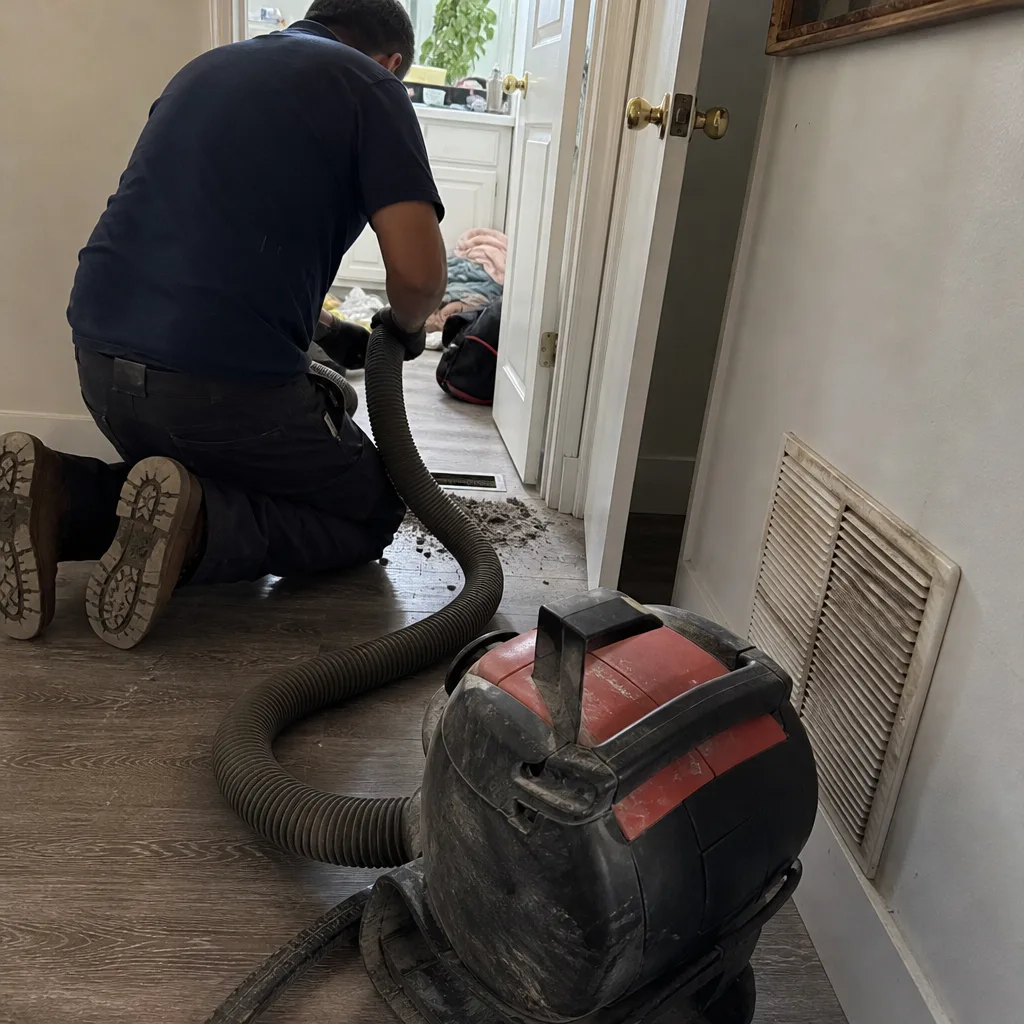 Before
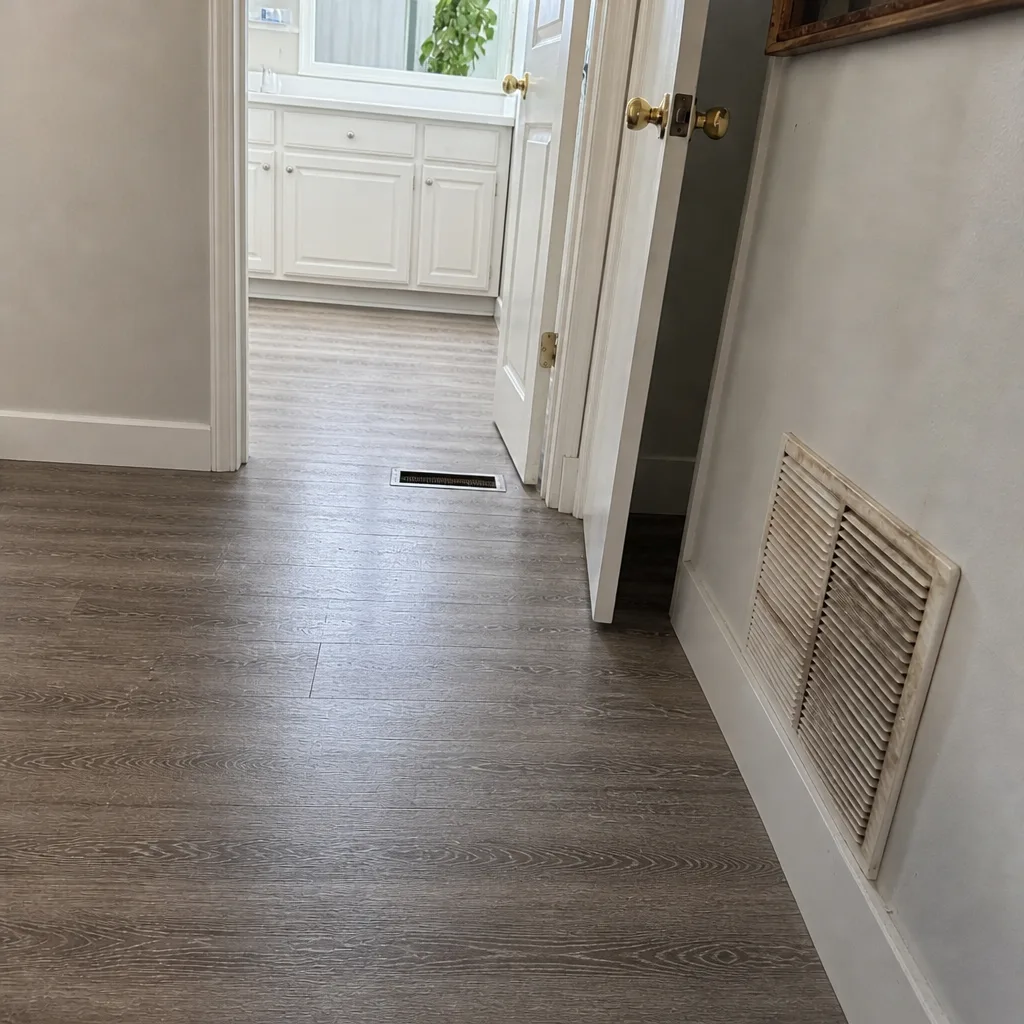 After
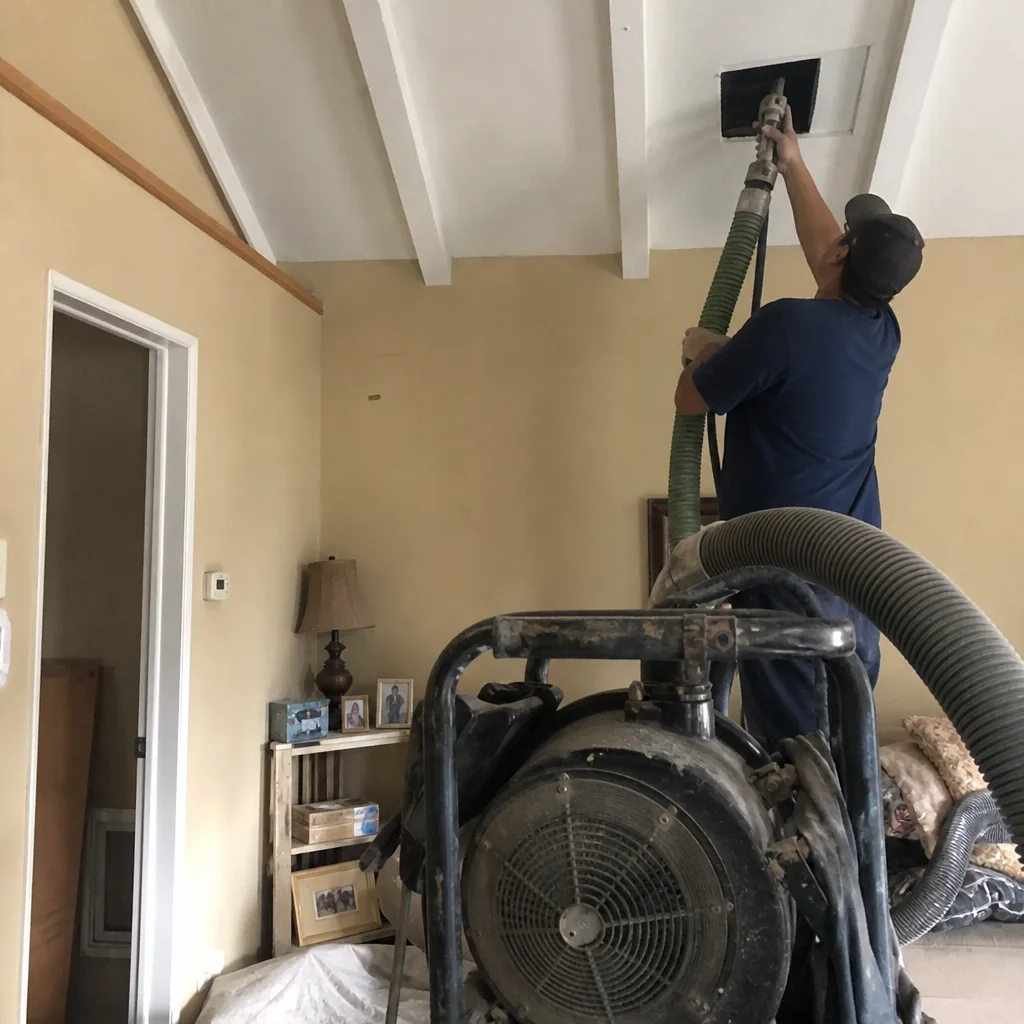 Before
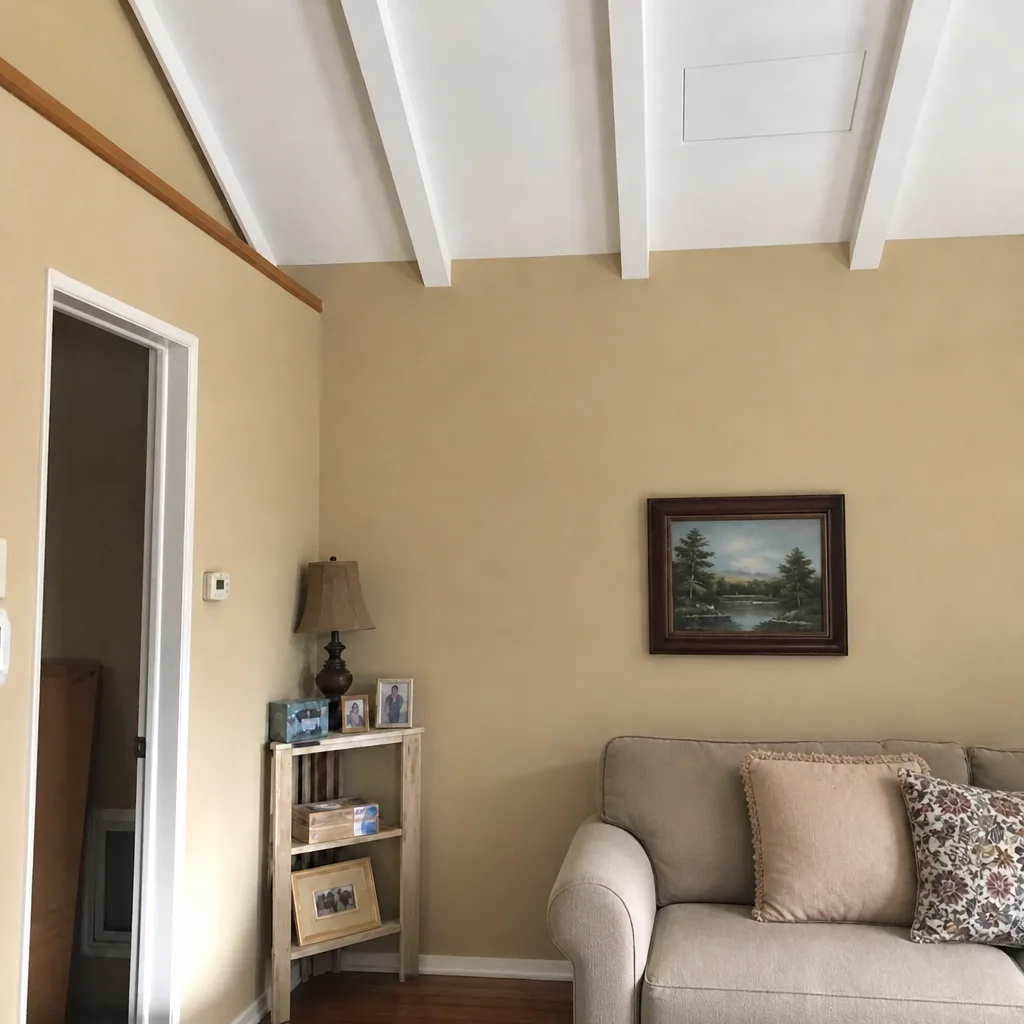 After
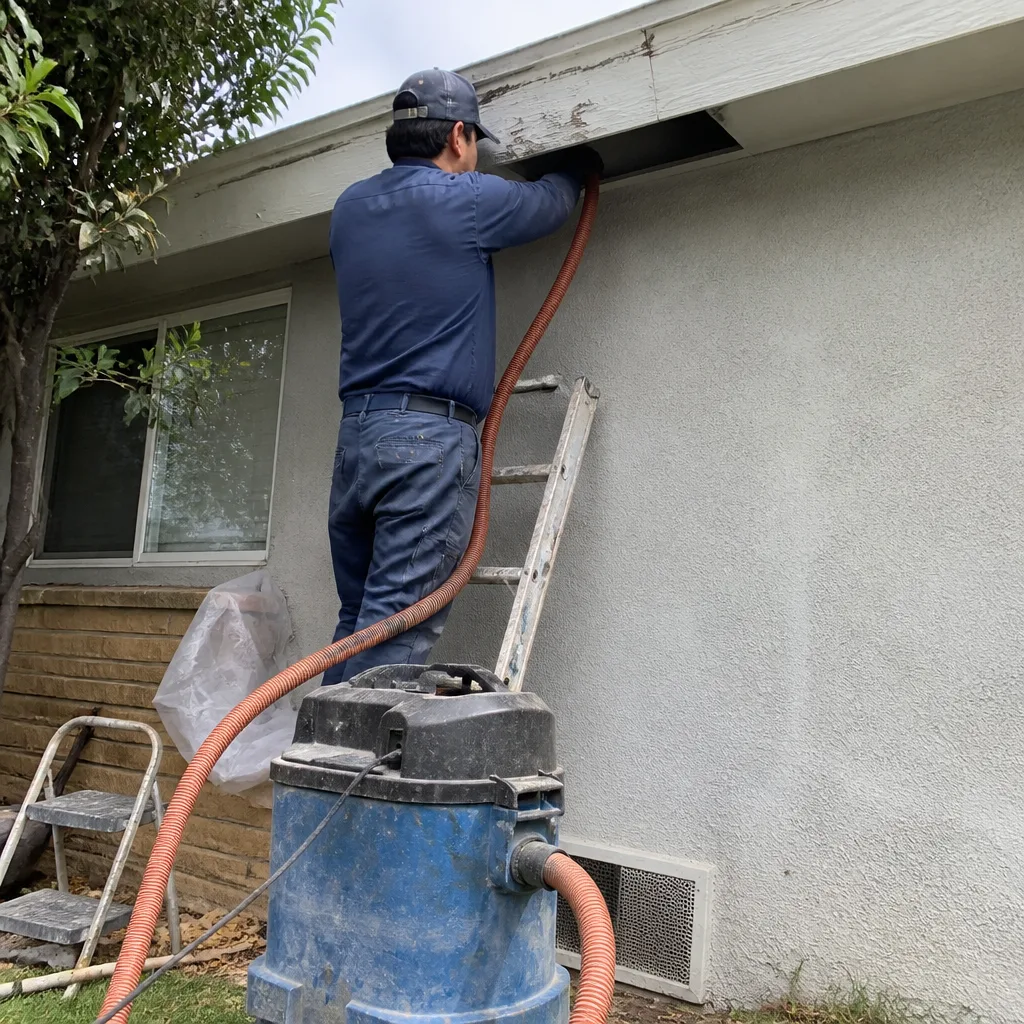 Before
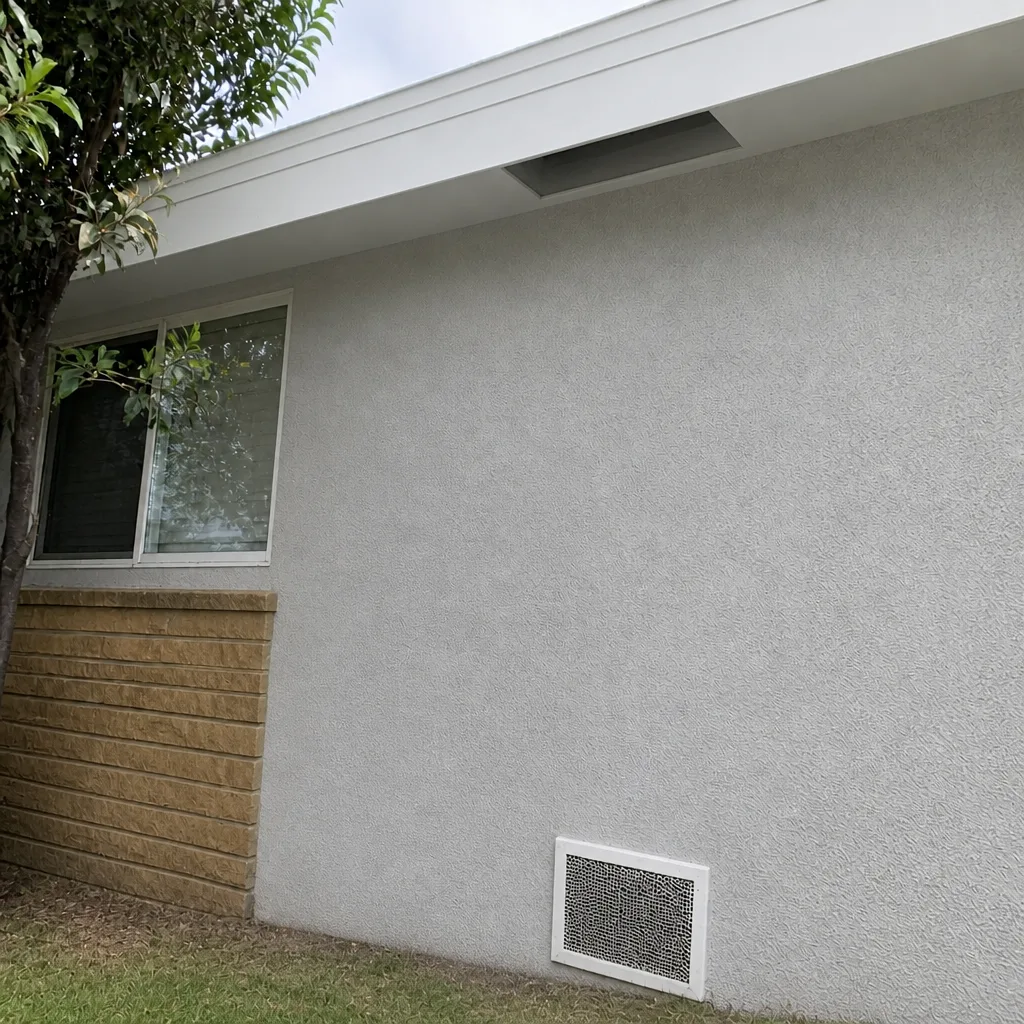 After
When to Call a Professional
Call a professional when you can point to a specific reason, not just a calendar entry. Good reasons include visible dust or debris blowing from the registers, a noticeable increase in dust in the home after a renovation, a musty smell that returns whenever the HVAC runs, visible mold inside the ductwork or on the coil, or a home inspection that flagged the ducts. A new-to-you home with ductwork of unknown history is another good trigger, and so is a dryer that takes longer to dry a load than it used to, which points to lint buildup in the vent.
If you’re not sure, a camera inspection tells you whether cleaning is warranted. University Park Air Duct Cleaning Co offers free estimates in University Park. Call (866) 947-8605. We answer 24/7. Fast dispatch from 7am to 7pm, Sunday through Friday.
Frequently Asked Questions
There’s no fixed schedule, because the EPA doesn’t recommend routine cleaning and the right interval depends on your system and your home. Homes with pets, recent renovations, or a smoke-season window where the HVAC pulled in outdoor air usually need it sooner. The honest answer is: clean when the ducts have actually accumulated enough to matter, and let a camera inspection tell you that. Call (866) 947-8605 for a free estimate and we’ll tell you what your system actually needs.
Pricing is per system, not per vent, and the written estimate you receive before work starts is the price that holds. We don’t quote a per-vent teaser figure that grows once a technician is on site, because that’s the pattern behind most bait-and-switch complaints in this trade. Call (866) 947-8605 for an exact quote. Estimates are free.
Cheap quotes typically leave out containment, skip the air handler and coil, or clean only the registers and the first few feet of duct. They may also use equipment that can’t generate enough negative pressure to pull debris out of a full run. The price is lower because the job is smaller, not because it’s a better deal. Call (866) 947-8605 and we’ll walk you through what a complete job includes.
You should receive before-and-after photos of the duct interiors and a written report of the components cleaned, repairs made, and products installed. If a contractor can’t show you the difference, that’s the answer to your question. We provide that documentation as a standard part of the job. Call (866) 947-8605 with questions about what to expect.
Often yes, particularly if drywall work, sanding, or floor refinishing happened while the HVAC was running. Construction dust is finer and more abrasive than ordinary household dust, and it settles into duct runs quickly. A camera inspection shows whether enough made it into the system to warrant a cleaning. Call (866) 947-8605 to schedule an inspection in University Park.
Yes. Duct cleaning addresses the supply and return ducts plus the registers, while HVAC cleaning covers the air handler, blower, and coil. They’re often done together because a dirty blower pushes particulate back into freshly cleaned ducts. One crew, one visit, both addressed. Call (866) 947-8605 for a free estimate on the full scope.
The Bottom Line
The most useful thing you can do before scheduling duct cleaning in University Park is understand what a complete job requires: source removal under containment, mechanical agitation with professional equipment, coverage of every component air passes through, and documentation you can keep. That framework lets you evaluate any quote on its merits rather than its price tag. University Park’s mild climate and smoke-season particulate make duct inspection and sealing a sensible pairing for many homes, and the right contractor will tell you when cleaning isn’t called for. Ask for the inspection, ask what’s included, and ask for the written estimate.
If you’re ready for a real assessment of your system, call University Park Air Duct Cleaning Co at (866) 947-8605 for a free estimate. We answer 24/7. Fast dispatch from 7am to 7pm, Sunday through Friday. Our technicians have up to 10 years of experience, and we bring remediation-grade equipment to residential ductwork.
Written by the team at University Park Air Duct Cleaning Co.