
Last updated November 24, 2026
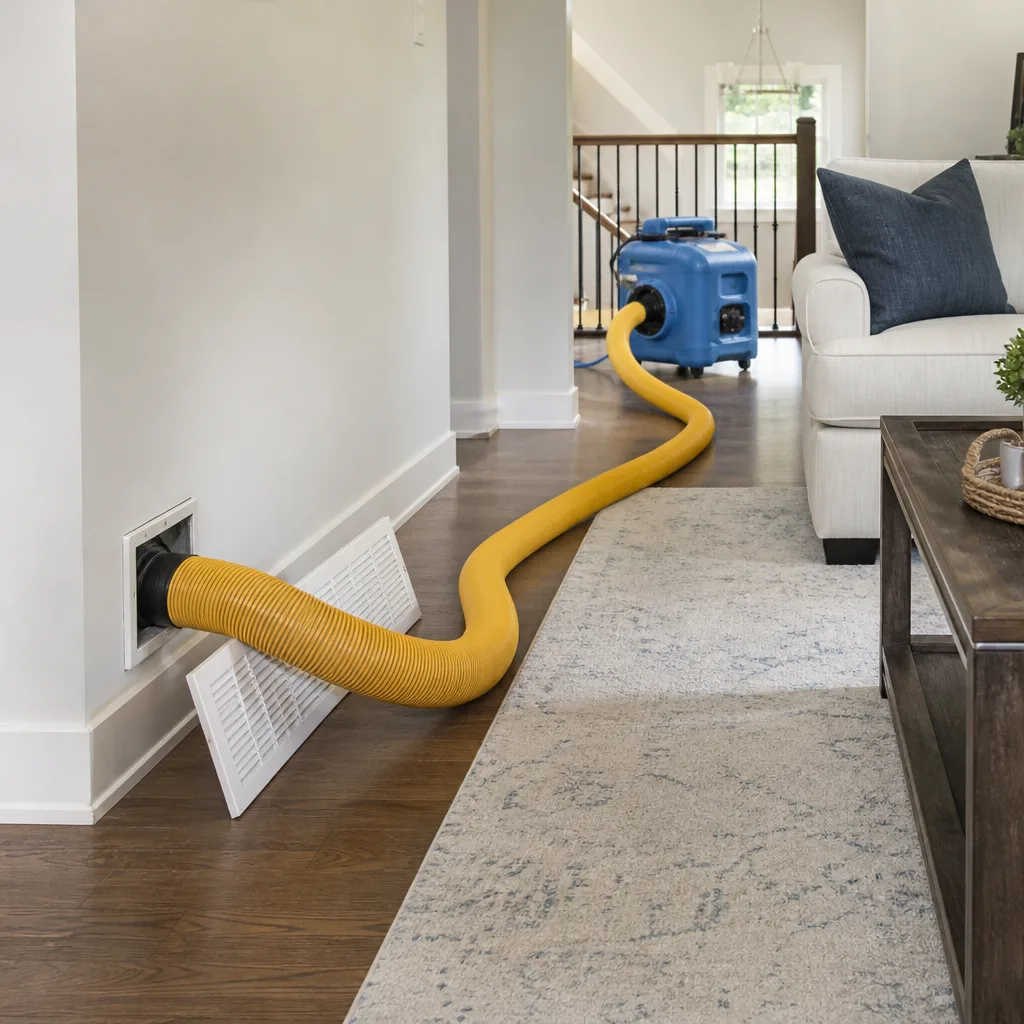 Whole-home duct cleaning
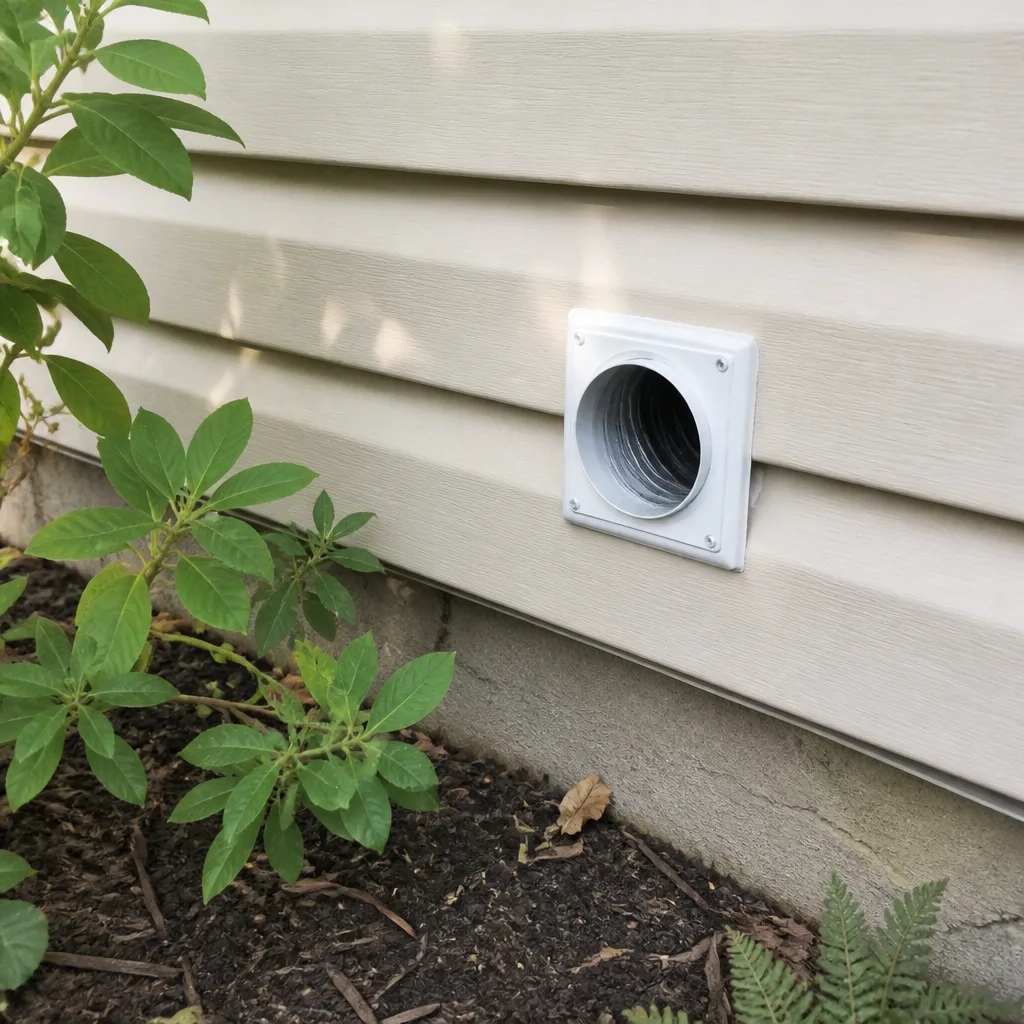 Dryer vent cleaning
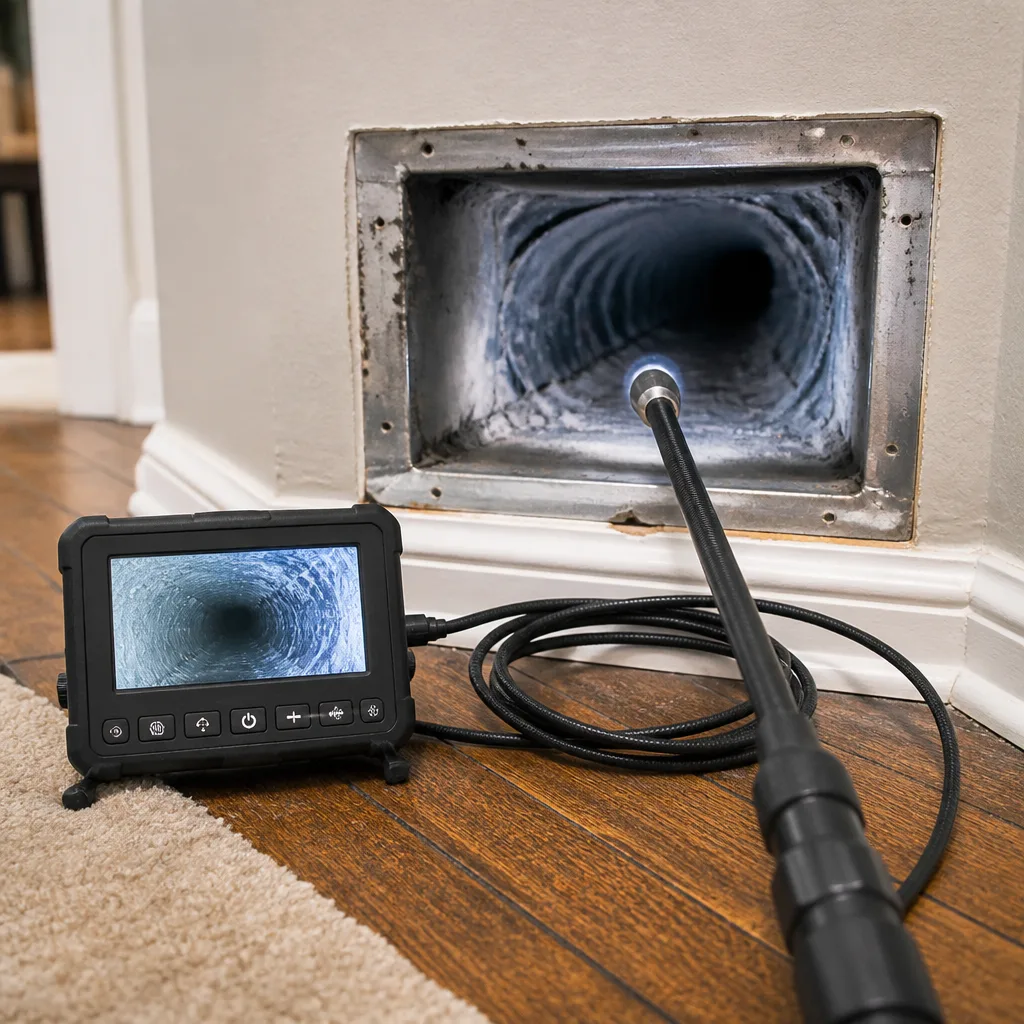 Camera inspection
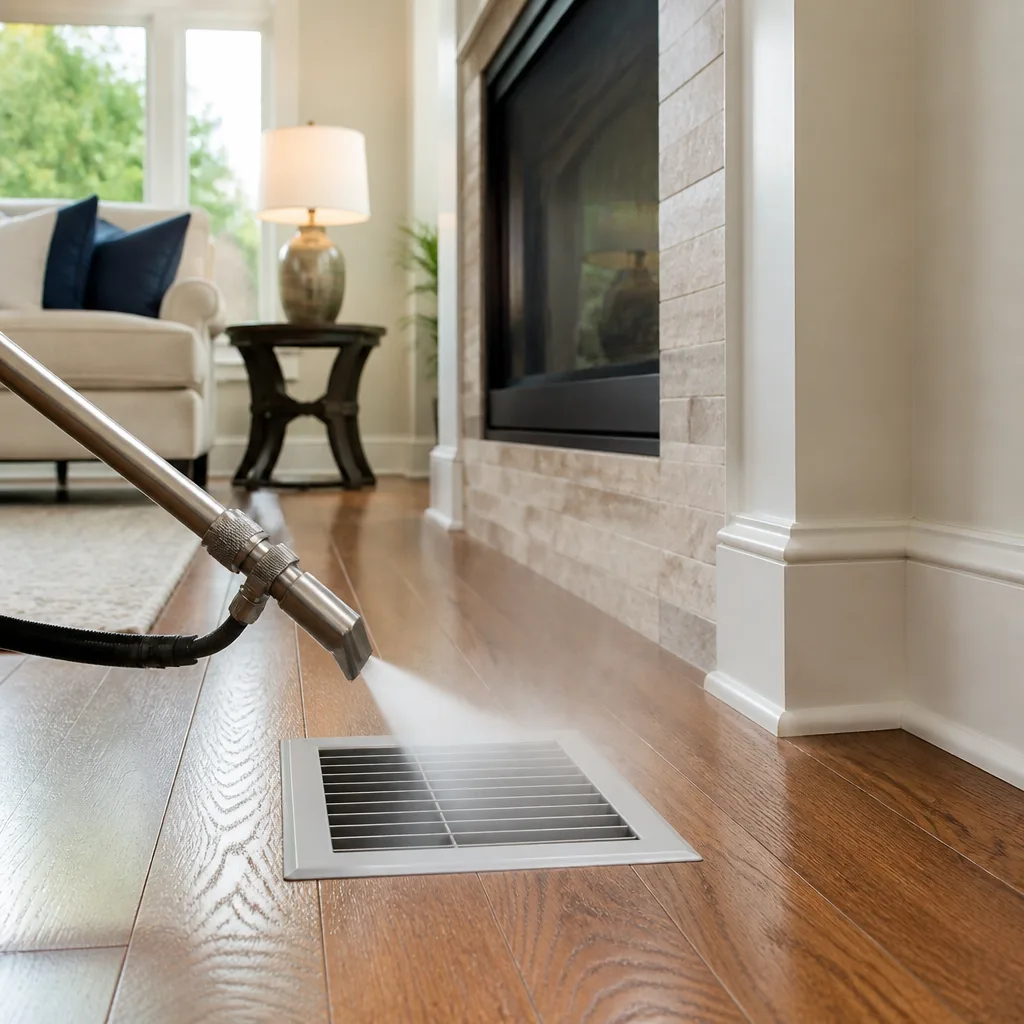 Sanitizing & deodorizing
Whole-system duct and dryer vent check with before-and-after photos - you see exactly what came out of your vents
That "$99 whole-house special" is a bait ad - the real number appears once they are in your hallway, or the "clean" is a shop-vac at the register. We photograph the inside of your ducts before and after instead.
Choosing the Right Air Duct Cleaning Brand: A Buyer’s Guide for University Park
The logo on the truck tells you almost nothing. In air duct cleaning, the brand name a company markets under is a layer of advertising stacked on top of the actual work, and the two aren’t the same thing. A nationally recognized franchise can send out a technician with a shop vacuum and a brush, while a smaller operation down the road may own remediation-grade negative air equipment and know your duct layout by its return trunk. What separates a good choice from a bad one in University Park isn’t the sign on the front of the business. It’s whether the equipment, certifications, and service scope match the technical reality of your home’s duct system. This guide explains exactly how to check those three things before you book anyone.
Quick Answer
The right air duct cleaning company in University Park is the one you can verify: it should hold NADCA ACR certification at the company level, own source-removal equipment (not rent residential vacuums per job), and offer a full scope that includes duct repair, sealing, coil cleaning, and dryer vent service. Franchise branding means little without those three. Ask for proof of equipment, certification, and scope before you sign anything.
Styles & brands we work with
- Whole-home duct cleaning
- Dryer vent cleaning
- Camera inspection
- Sanitizing & deodorizing
Table of Contents
- Why the Brand Name Isn’t the Quality Signal
- What NADCA ACR Certification Actually Requires
- The Equipment Inventory Question
- Service Scope as the Real Differentiator
- How to Read Reviews for Duct Cleaning
- Local Specialist vs. National Franchise in University Park
- A Step-by-Step Verification Process
- Common Mistakes to Avoid
Why the Brand Name Isn’t the Quality Signal
In most trades, a well-known name offers some reassurance because the company has built its reputation under that banner. Air duct cleaning works differently. The barriers to entry are low: a truck, a vacuum, and a marketing website can launch a “national brand” practically overnight through franchising. The name conveys nothing about the person who shows up at your door or the machinery they bring with them.
We’ve seen University Park homeowners led astray by this exact confusion. A company with a glossy national logo arrives, runs a rotary brush through the main trunk for forty minutes, and leaves without touching the branch runs or the coil. The homeowner assumed the brand meant a standardized process. It didn’t. The actual quality variables were invisible: equipment class, technician training, and whether the job included the parts of the system most likely to hold contaminants.
What actually determines the outcome on a University Park duct cleaning job comes down to three things:
- Equipment class. Does the company own a negative air machine with HEPA filtration, or does it rent a residential-grade vacuum per job?
- Certification depth. Is the NADCA ACR credential held by the company as a whole, or just mentioned on a website?
- Scope completeness. Will the company clean, inspect, repair, and seal in one visit, or hand off the repair to someone else?
None of those are answered by a logo. They’re answered by a phone call, a written proposal, and a look at the van when it arrives.
The brand that matters at the end of the day is the one attached to the equipment and the technician, not the one on the website.
What NADCA ACR Certification Actually Requires
NADCA certification isn’t a sticker a marketing department buys. The National Air Duct Cleaners Association runs an assessment-based certification program, and the ACR (Air Systems Cleaning Specialist) credential is earned at the individual level after passing an exam, then maintained through continuing education. At the company level, an ACR-certified firm must have at least one ACR-certified employee on staff and must follow the ACR Standard, which is the industry reference for how a cleaning job should be scoped, performed, and documented.
What that means for a University Park homeowner:
- A certified employee is on the crew. Not the sales rep. The person actually doing the work.
- The company follows the ACR Standard for source removal. That includes the requirement to clean the entire system (supply, return, coil, and components), not just the trunk line.
- Verification is possible. NADCA maintains a public directory of certified companies and individuals. You can look up a company name in a few minutes.
Verifying the claim takes maybe five minutes. Search the NADCA directory for the exact name on the estimate. Then ask two questions when you call: who holds the ACR credential at your company, and will that person be on the job? A company that can answer both without hesitation is a different animal from one that only mentions the logo.
University Park homes built in the 1970s and 1980s often have return-air configurations that make source removal more involved than newer construction. The ACR Standard exists precisely to force a company to account for those layouts instead of just running a brush through the main duct and calling it done.
The Equipment Inventory Question
Ask any duct cleaning company whether they own a source-removal vacuum and a negative air machine. The answer reveals almost everything about the job you’re about to get. This is the question most homeowners never ask, and it’s the single most important one.
Here’s the landscape of equipment in the trade:
- Consumer-grade shop vacuums and portable units push air around inside the duct. They can loosen debris but struggle to move it out of the system with the volume and pressure required for a real source-removal job.
- Residential-grade “professional” vacuums are legitimate pieces of equipment but are commonly rented per job by smaller operators. You can’t tell from the outside whether the machine is owned outright or leased for the day, which means you can’t judge the operator’s ongoing investment in the trade.
- Remediation-grade equipment is what commercial and industrial HVAC contractors use. Twin platforms like Rotobrush and Nikro together handle the agitation and extraction side; Abatement Technologies negative air machines with HEPA filtration handle containment. That combination lets a company work in a live home without reintroducing captured particulate into the living space.
We use Rotobrush and Nikro systems on every job, and the difference matters to the customer in a way that’s easy to miss. Rotobrush handles the flexible-duct and rotary agitation side; Nikro supplies the high-volume vacuum and negative pressure side. They aren’t interchangeable, which is why we carry both rather than one or the other. And the Abatement Technologies units we bring mean we can hold a room at negative pressure, so what goes into the vacuum stays in the vacuum.
When you call a University Park duct cleaner, ask specifically what equipment they’ll bring and whether they own it. The answer tells you whether you’re hiring an operator with a capital investment in the trade or a marketer with a credit card and a rental agreement.
Service Scope as the Real Differentiator
Clean ducts are only half the job. A company that only cleans ducts and does nothing else can miss the systemic indoor air quality problems that cleaning alone won’t solve: gaps in the ductwork that let attic air or crawlspace air back in, coated evaporator coils that reintroduce particulate, and a dryer vent that fills the laundry room with lint every wash cycle. When you hire a cleaner without the full scope, you usually end up hiring someone else a few months later.
The full scope for a healthy University Park home looks like this:
- Inspection and source removal. Camera inspection of the trunk and branch runs, then the cleaning itself.
- Mechanical repair. Replacing crushed flex runs, reconnecting separated joints, and rebuilding boot-to-floor connections that have pulled loose.
- Sealing. Sealing leaks at the plenum, at boot joints, and at the seams between duct sections so conditioned air actually reaches the rooms it’s supposed to.
- Coil cleaning. The evaporator coil on the air handler traps particulate. Cleaning the ductwork without cleaning the coil leaves the source of the problem untouched.
- Dryer vent service. A lint-choked dryer vent is a fire hazard independent of the HVAC system, and it’s often the same visit.
We’ve built our own scope around that entire lifecycle so a homeowner doesn’t need a second contractor for the repair or the sealing. Our air duct cleaning visit can move directly into repair and sealing without a gap. That one-crew, full-scope structure is what makes the difference between a cleaned system and a healthy one, and it’s what to look for when comparing bids.
How to Read Reviews for Duct Cleaning
Most reviews for home services are useless for the technical evaluation you need. “The guys were friendly and on time” tells you nothing about whether the coil was cleaned or whether the negative air machine was running. A technically informed review sounds completely different, and once you know what to look for, you can spot the difference in about thirty seconds.
A technically informed review mentions at least one of these:
- Equipment by name. References to the vacuum platform, the negative air machine, or the camera inspection.
- What was actually cleaned. Specifics like “they cleaned the trunk and all the branch runs” or “they cleaned the coil on the air handler.”
- The before-and-after documentation. A mention of seeing photos or video of the interior of the duct before and after the work.
- A scope problem found and fixed. A review that describes “they found a crushed return in the attic and repaired it” is telling you the company actually inspected.
A review that says “great service, would recommend” is not a technical signal. It’s a social one. It doesn’t mean the company is bad; it means the reviewer didn’t have the knowledge to evaluate the work. When you’re reading through University Park reviews, look for the ones written by someone who clearly knows what a return trunk is. Those are the reviews that actually predict whether your job will be done right.
One more thing: a company that documents its work in photos is more likely to show up to the review page with photos in hand. Before-and-after photos of your own ducts should be part of the deliverable, not a marketing extra.
Local Specialist vs. National Franchise in University Park
The local specialist versus national franchise question is not about size. It’s about accountability and equipment access, and both factors swing toward the local operator more often than homeowners expect.
Accountability. A local specialist’s reputation lives entirely in the University Park market. When a job needs a revisit because a repair didn’t seal properly or a homeowner has a question six weeks later, the local company has a direct interest in coming back. A franchise operation may be run by a regional operator whom you can’t easily reach, and follow-up can become a corporate customer service loop rather than a phone call to the person who did the work.
Equipment access. This is the quieter trade-off. A large franchise may have access to a broader equipment pool, but that’s not guaranteed to translate into better equipment on your job. A focused specialist who owns remediation-grade machines needs every job to justify the investment, which means the equipment shows up on every visit. A regional operator running multiple territories on shared equipment has less pressure to bring the top tier to your house.
Follow-up on University Park homes. Older stock in University Park often has duct configurations that were common in a specific era of construction. A local specialist has seen the same layouts repeatedly and can often diagnose a return-air problem from the symptoms before the inspection. That pattern recognition isn’t transferable, and it’s worth weight.
Bottom line: the national-name advantage is marketing reach. The local-specialist advantage is the accountability loop and the equipment that shows up on the job. Weigh both, but weigh them against the actual scope and equipment conversation you have on the call.
A Step-by-Step Verification Process
Here’s a process you can run in about an hour to evaluate any company in University Park before you book. It doesn’t require technical training. It just requires asking the right questions and looking up the right answers.
- Look up the NADCA directory. Search the exact company name. If it’s not there, ask why not before you proceed.
- Ask which certified employee will be on the job. The credentialing question is separate from the directory question. Verify the person, not just the company.
- Ask what equipment they’ll bring. Get the name and platform. Owned versus rented is the follow-up. If the answer is vague, that’s your answer.
- Ask for the full scope in writing. Will the proposal cover trunk, branches, coil, and boots? Will repair and sealing be handled in the same visit? A written scope is a commitment.
- Ask about before-and-after photos. Any company doing source-removal work should be capturing proof of the interior of the duct system before and after cleaning.
- Read reviews for technical content. Look for equipment names, coil references, and specific scope descriptions. Ignore the friendly-arrival reviews.
- Get the written estimate and the final price commitment in writing. One flat price for the job, agreed before work starts, so the invoice doesn’t shift once the technician is on site.
We structure our own work so those questions all have clear answers before the job starts. Our quote specifies the scope per system, not per vent, and the price you agree to is the price on the invoice. We’ve built our scope around the full lifecycle, from dryer vent cleaning to the ductwork itself, so a homeowner doesn’t need a second company to finish the work.
Common Mistakes to Avoid
- Choosing on price alone. The lowest bid usually reflects the smallest scope and the cheapest equipment. A company that quotes half what everyone else does isn’t saving you money; it’s telling you what it plans to leave out.
- Assuming the franchise name means standardized quality. In duct cleaning, the brand on the truck has almost no bearing on the equipment inside it. Ask about the machine, not the logo.
- Skipping the coil. Cleaning ductwork while leaving the evaporator coil untouched is one of the most common half-jobs in the trade. The coil is where the particulate settles and where it re-enters the airstream. Make sure the quote covers it.
- Hiring a cleaner who can’t seal or repair. A crushed return or a separated boot needs mechanical work, not another cleaning. If the company hands that off to a subcontractor, you’re paying two companies to do one job.
- Ignoring the dryer vent. The dryer vent is often treated as an add-on when it should be its own safety scope. Lint accumulation in the vent run is a fire risk independent of anything happening in the HVAC system, and a company without a dedicated dryer vent service is telling you it doesn’t treat it that way.
- Trusting a review without technical detail. Friendly and on time is nice. It’s not evidence the work was done. Look for reviews that mention equipment, the coil, or the branch runs.
- Skipping the written scope. An estimate over the phone is not a scope. Get the scope in writing before the technician knocks, and hold the final price to that document.
See the difference
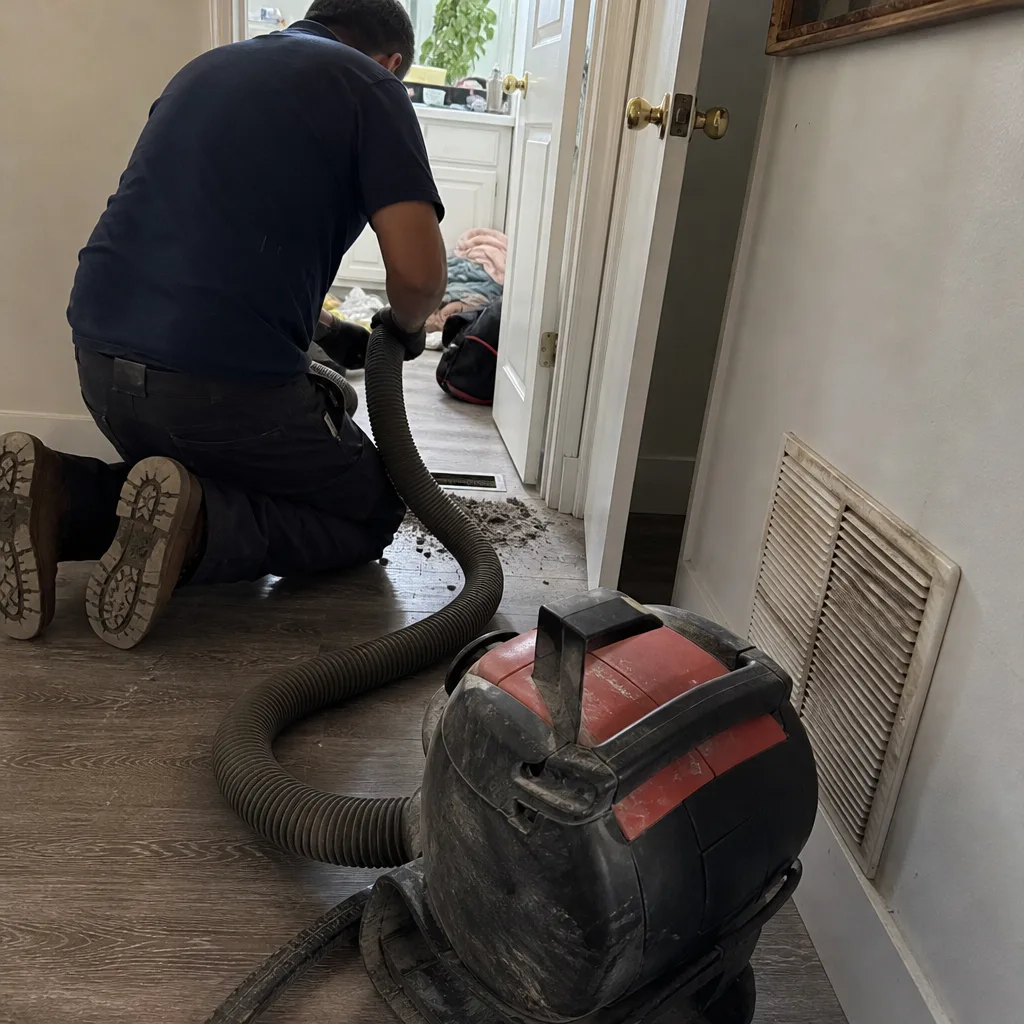 Before
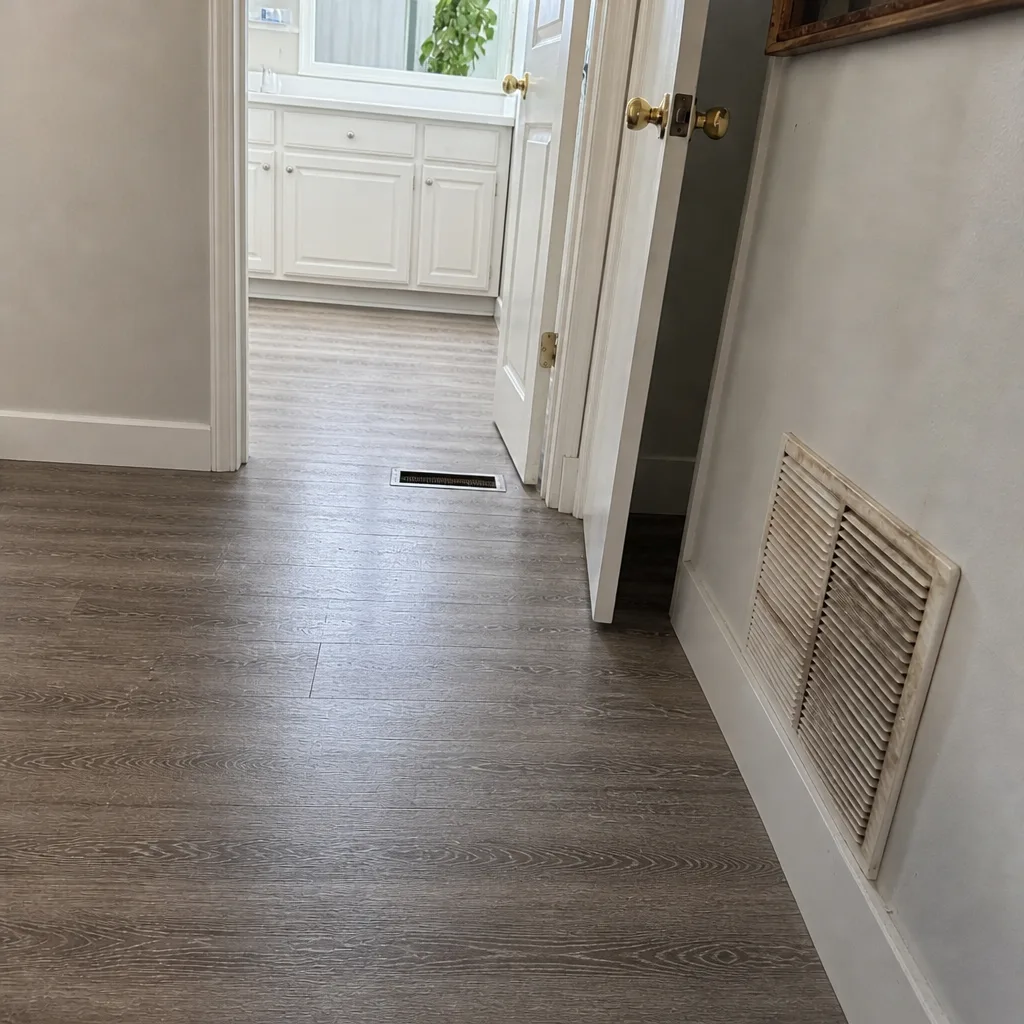 After
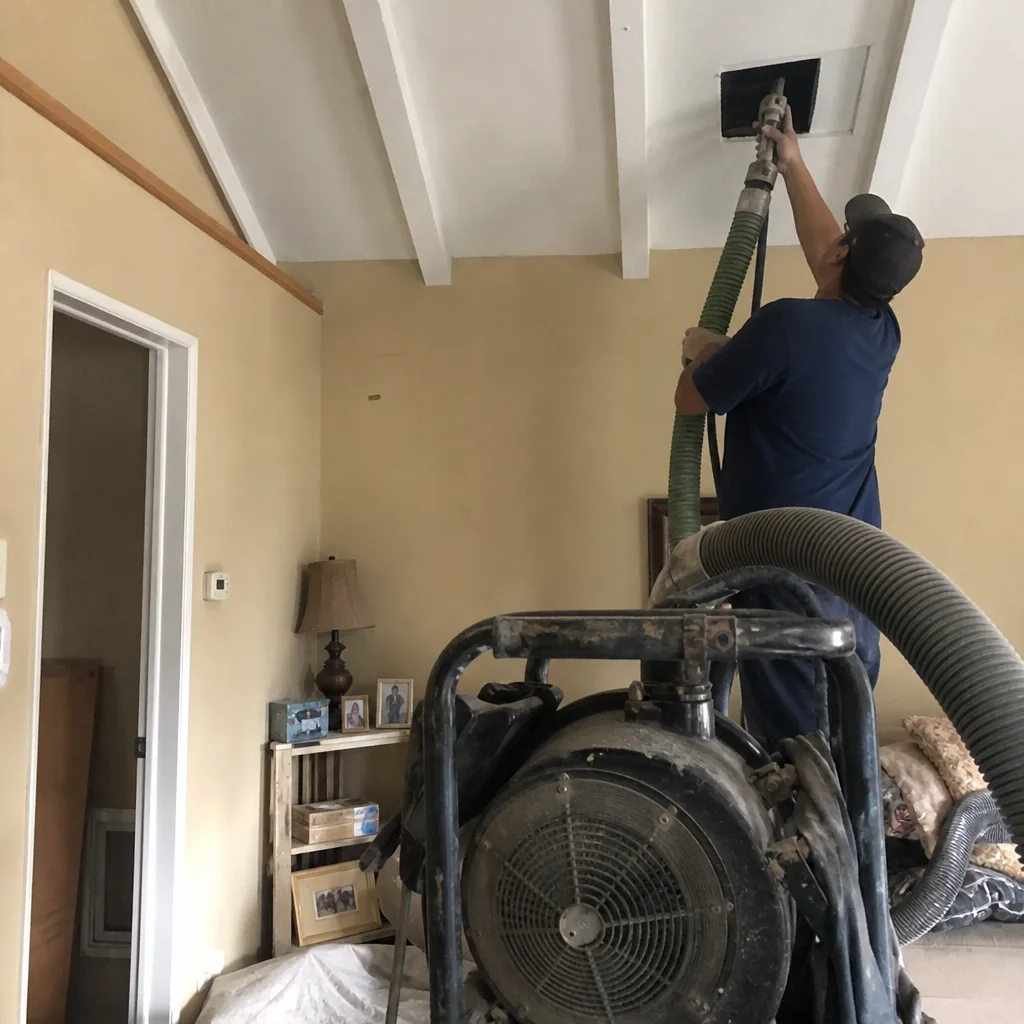 Before
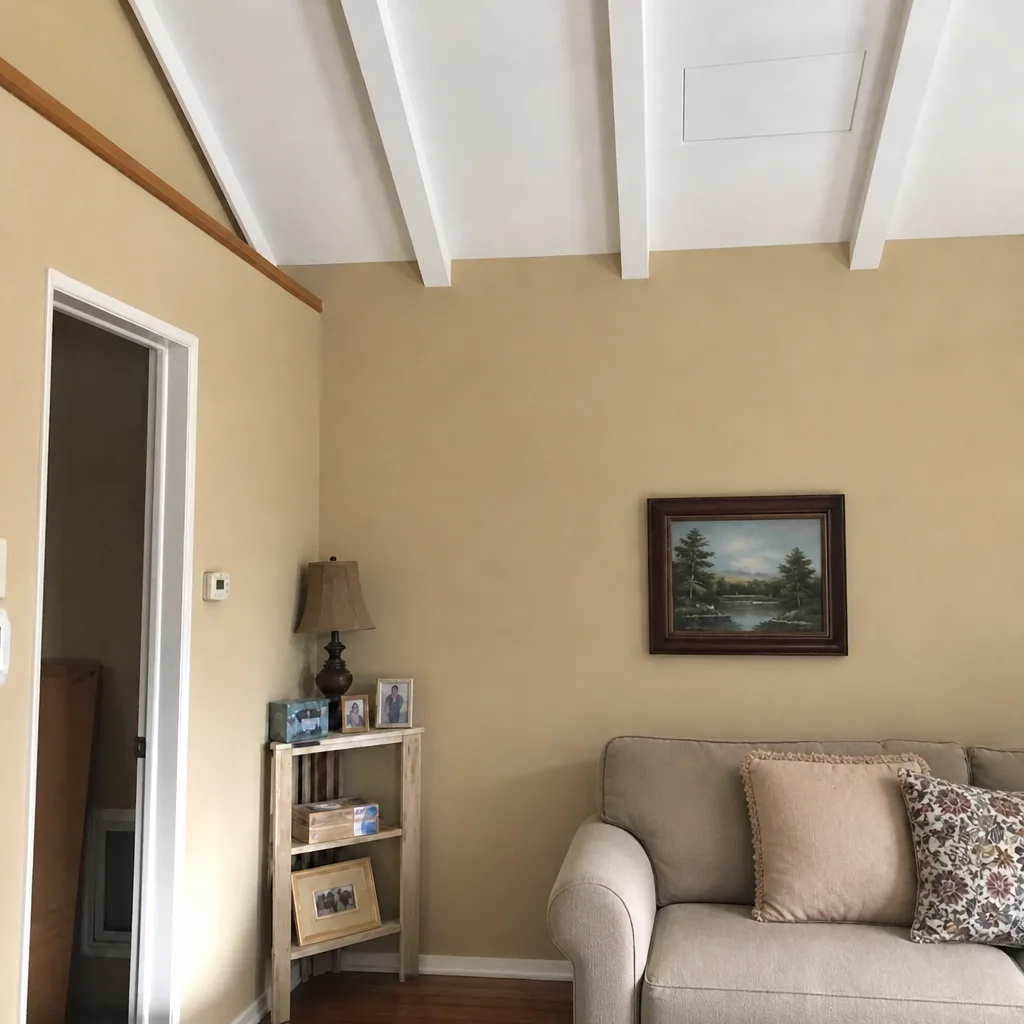 After
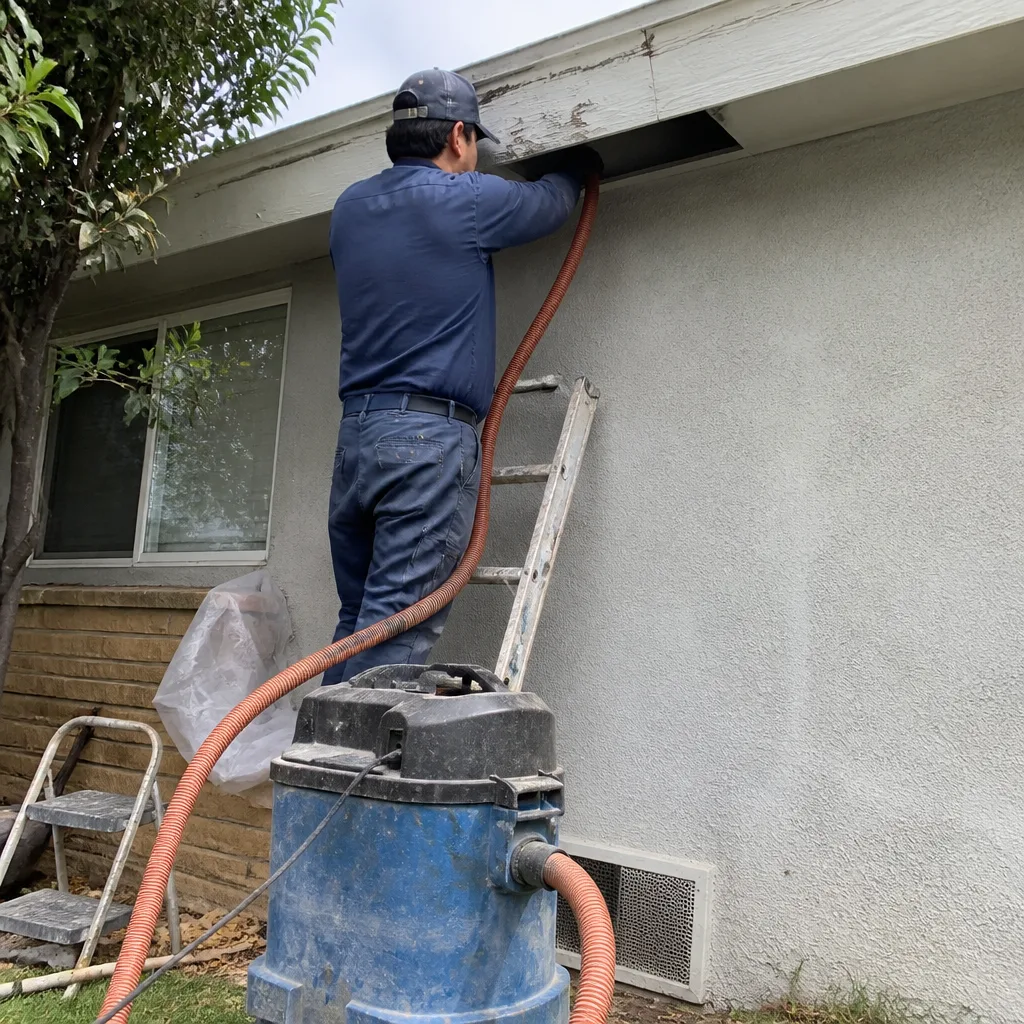 Before
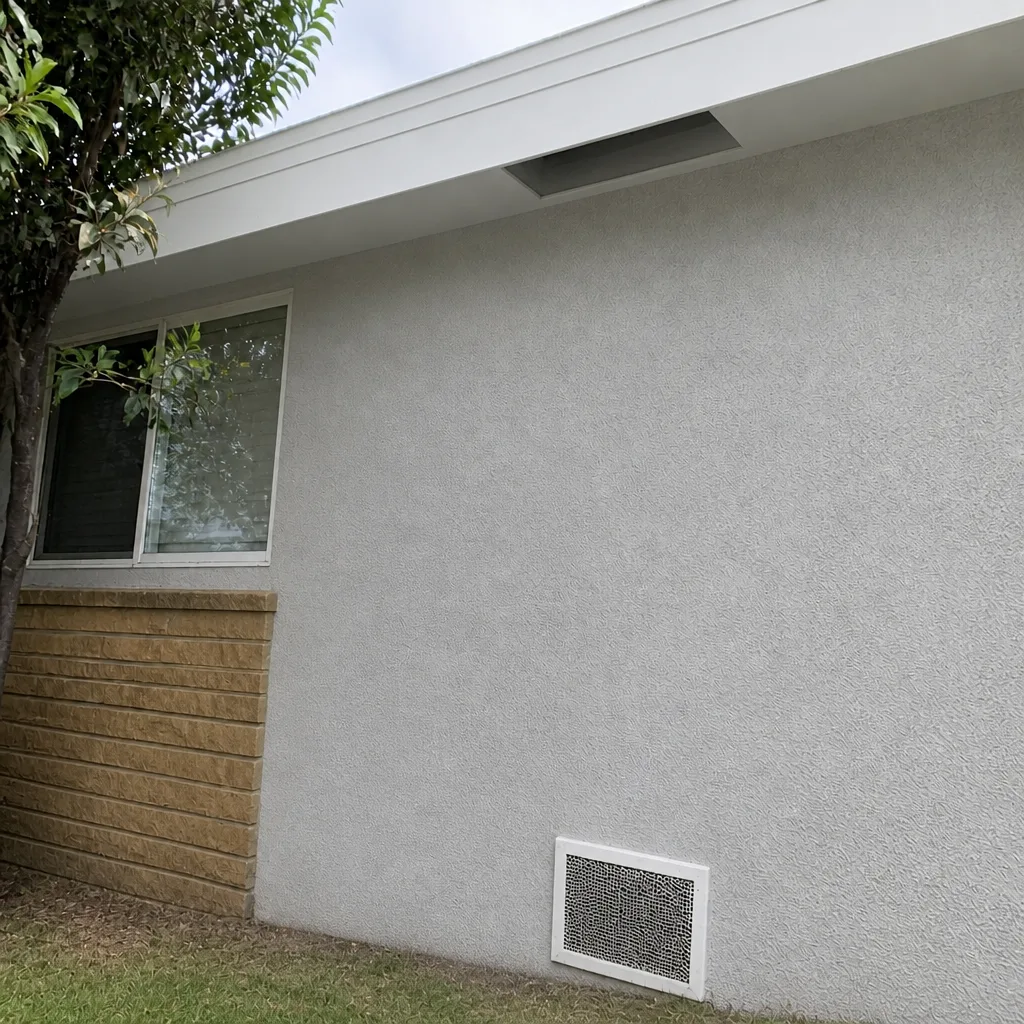 After
When to Call a Professional
Some indicators are clear enough that a professional visit is warranted rather than a wait-and-see. If anyone in the household has developed seasonal allergies or respiratory sensitivity that seems to track with the HVAC running, the ducts are worth inspecting. If the home has had recent renovation or drywall work, the return-air side captures construction dust that doesn’t clear out on its own. If a home inspection recently flagged the ductwork, or if the ducts are visible in the attic and show loose joints or disconnected sections, that’s a mechanical repair job, not just a clean. And if the dryer takes two cycles to finish a load while the vent feels warm to the touch, treat it as a safety concern and schedule a dryer vent cleaning before the next load.
University Park Air Duct Cleaning Co offers free estimates in University Park – call (866) 947-8605. We answer 24/7. Fast dispatch from 7am to 7pm, Sunday through Friday. Our technicians have up to 10 years of experience, and our estimates are written per system, so the final price is set before work begins.
Frequently Asked Questions
Look the company up in the NADCA public directory using the exact name on the estimate, then ask on the phone who holds the ACR credential and whether that person will be on the job. Certification is held at the individual technician level with the ACR Standard applied at the company level, so both checks matter. A company that can name the certified person without hesitation is telling you the credential is real. Call (866) 947-8605 for a free estimate – we’ll answer that question upfront.
A proper duct cleaning company should own a source-removal vacuum and a negative air machine with HEPA filtration, not rent one per job. Look for named professional platforms rather than generic “industrial vacuums” in the answer. We use Rotobrush and Nikro systems on every job and bring Abatement Technologies negative air equipment for containment. Ask the question directly and listen for specifics. Call (866) 947-8605 for a free estimate and we’ll walk you through the equipment on our jobs.
Franchise branding in air duct cleaning is a marketing layer, and it doesn’t guarantee a specific equipment class, scope, or certified technician on the job. The company name is the least informative detail on the estimate. What actually determines quality is the equipment inventory, the certification depth, and the scope written into the quote. Judge those three, not the logo. Call (866) 947-8605 for a free estimate and we’ll show you exactly what our scope covers.
The answer depends on the inspection, and a company that only cleans can’t tell you because it can’t repair. If the ducts have crushed runs, separated joints, or loose boot-to-floor connections, cleaning alone won’t hold the improvement. A full-scope company inspects and then repairs and seals as part of the same visit. That’s the difference between a cleaned system and a healthy one. Call (866) 947-8605 for a free estimate and a written scope per system.
A low quote usually reflects a smaller scope and lower-tier equipment, not a better deal. The cheaper bid typically covers the trunk line only, skips the coil, and uses a vacuum that can’t hold negative pressure in the home. When you compare quotes, compare the written scope line by line, not just the total. The price per system from a full-scope company is a different number for a different job. Call (866) 947-8605 for a free estimate with a written scope attached.
Ask for before-and-after photos of the duct interior from the job itself, not stock images or video clips from another home. A source-removal company captures those as part of the process, and the images should show the same run before and after cleaning. If the company can’t show you the interior of your own ducts, you can’t verify the work. Call (866) 947-8605 for a free estimate and we’ll explain what our photo documentation includes.
The Bottom Line
The brand name on the truck is a marketing surface. What actually determines the quality of a duct cleaning job in University Park is the equipment the company owns, the certification its technicians hold, and the scope written into the estimate. Verify the NADCA ACR credential at the individual and company level, ask about equipment by name, demand a written scope that covers the coil, branches, and dryer vent, and read reviews for technical detail rather than friendliness. A local specialist with remediation-grade equipment and a full-service scope is the standard to compare everyone else against. Book on the scope, not the logo. Call (866) 947-8605. We answer 24/7. Fast dispatch from 7am to 7pm, Sunday through Friday. Stop by our University Park Air Duct Cleaning Co page to see our full five-service scope, including HVAC cleaning when the coil and air handler need attention too.
Written by the team at University Park Air Duct Cleaning Co.