
Last updated November 24, 2026
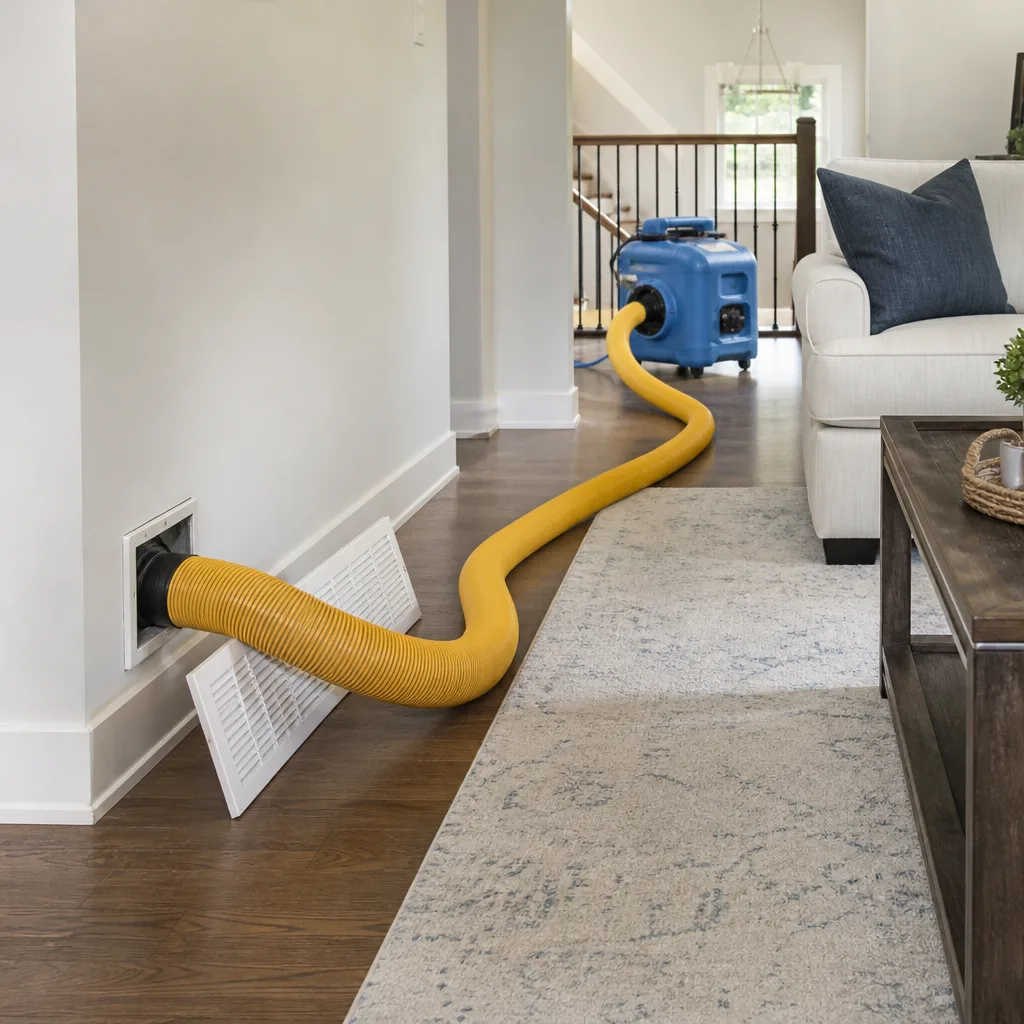 Whole-home duct cleaning
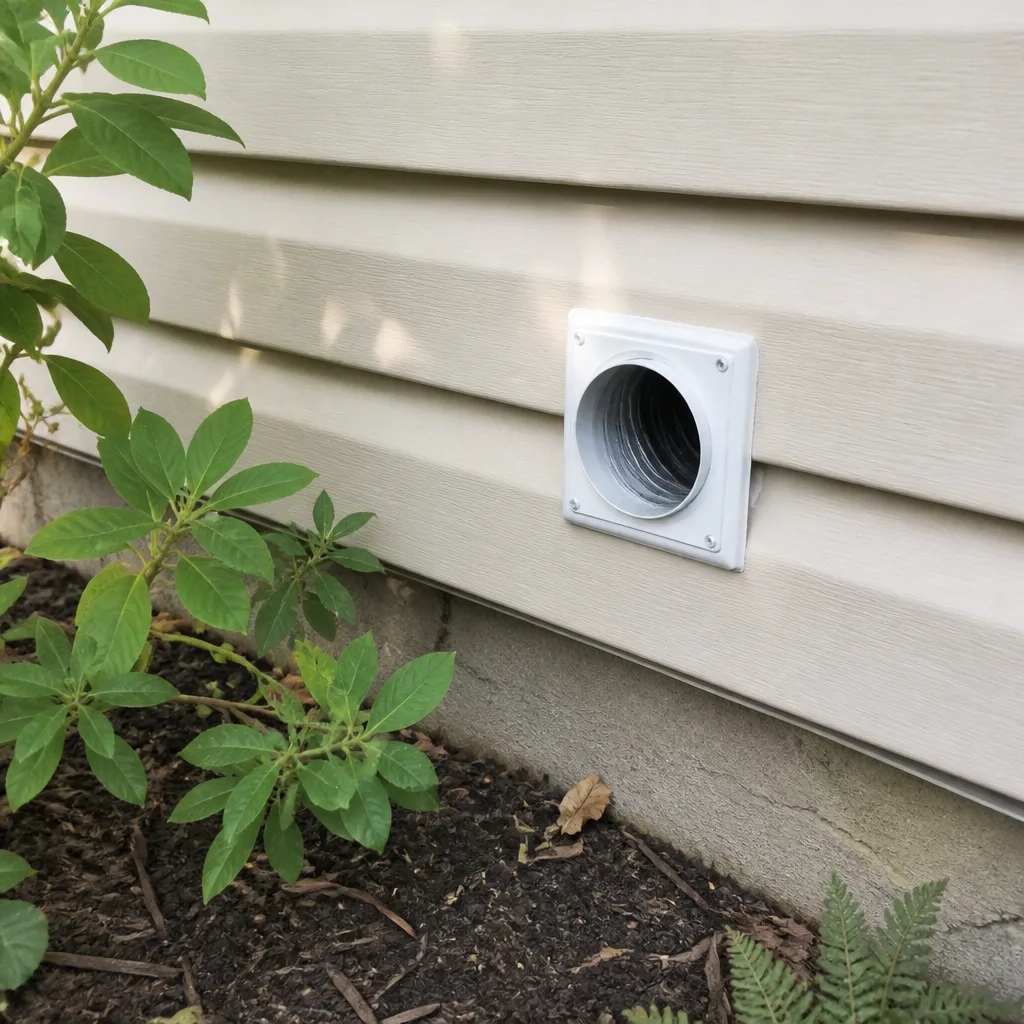 Dryer vent cleaning
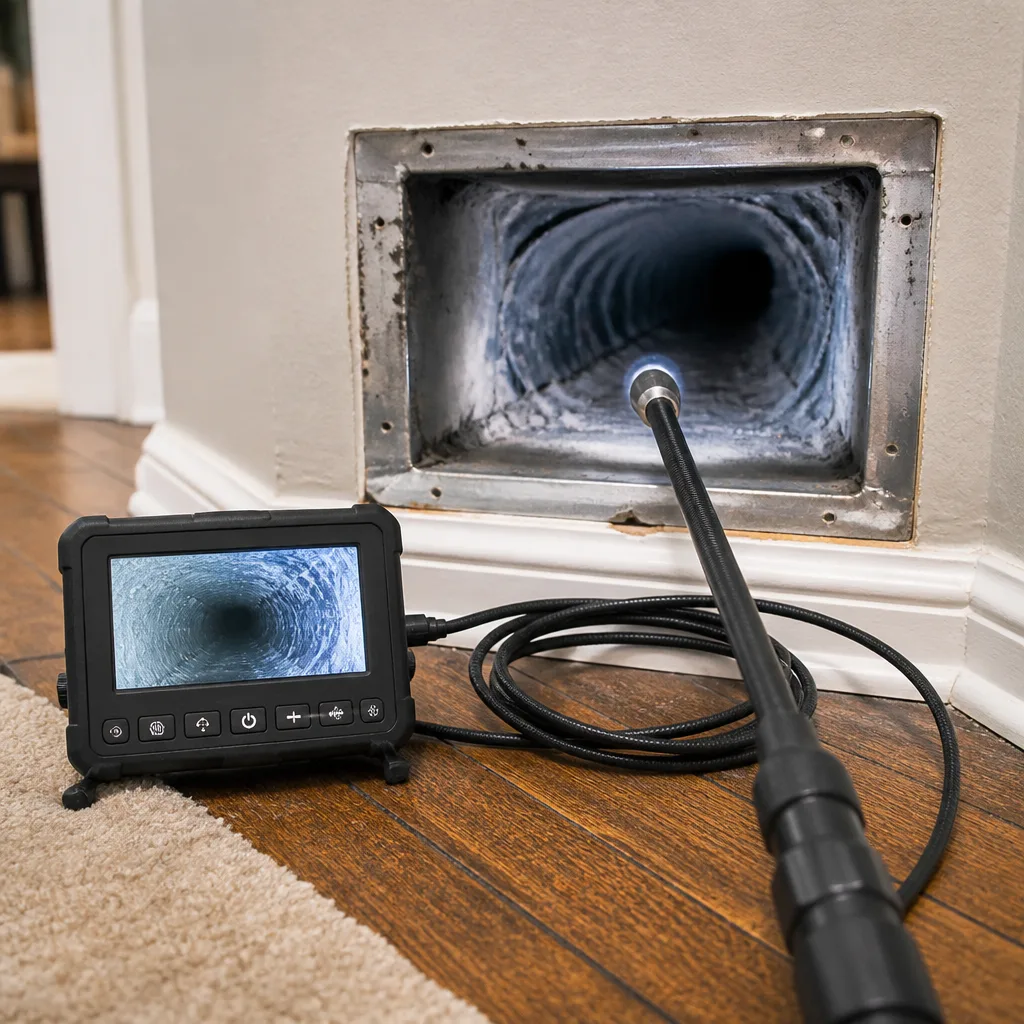 Camera inspection
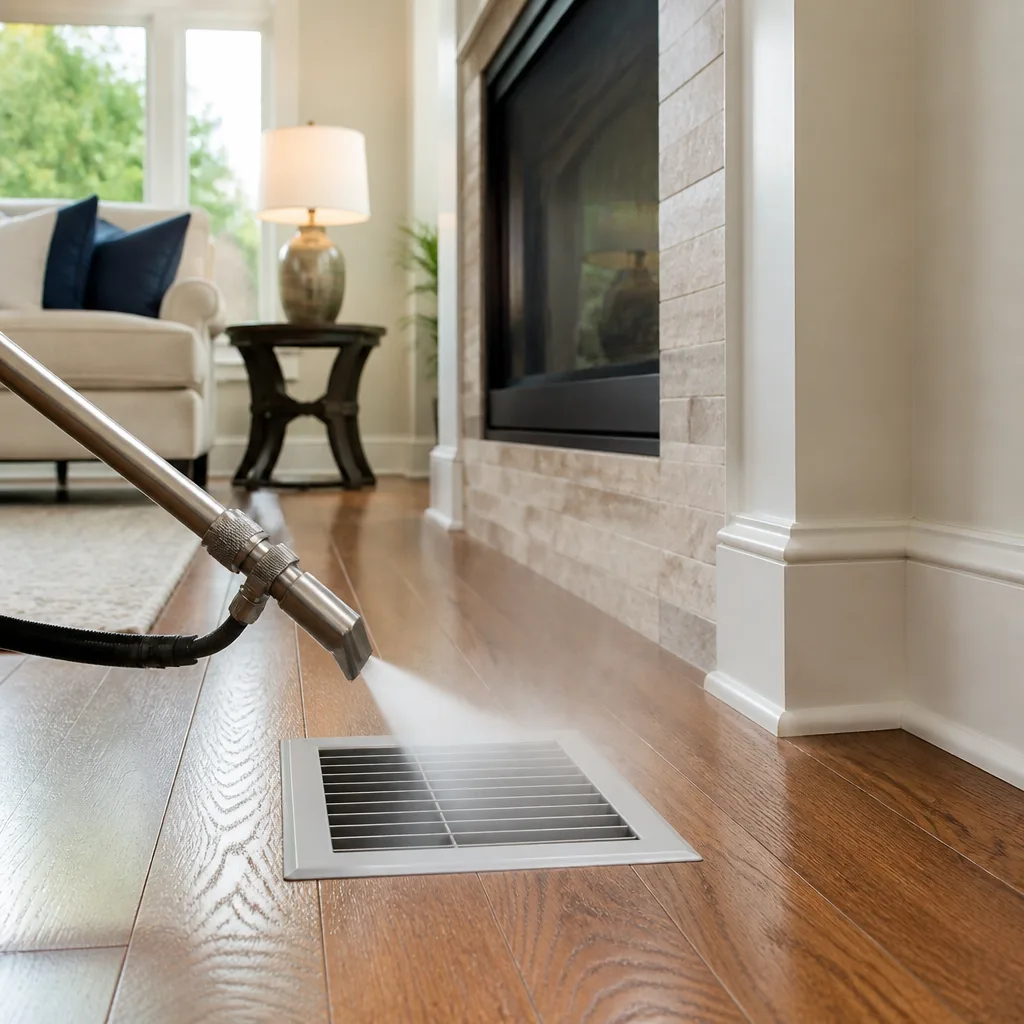 Sanitizing & deodorizing
Whole-system duct and dryer vent check with before-and-after photos - you see exactly what came out of your vents
That "$99 whole-house special" is a bait ad - the real number appears once they are in your hallway, or the "clean" is a shop-vac at the register. We photograph the inside of your ducts before and after instead.
Air Duct Cleaning Warning Signs: A University Park Homeowner’s Reference Guide
Visible dust on your supply registers is almost always the last warning sign, not the first. By the time you can see it, a filter bypass, duct leakage, or static pressure problem has usually been running for months behind the drywall. That’s the trouble with most warning sign checklists: they point you at the symptom you can already see and skip the quieter signals that show up earlier, in your utility bill, your room temperatures, and the smell of the air itself. This guide organizes the signs into a diagnostic hierarchy, so you can tell cosmetic buildup from system inefficiency from conditions that need professional assessment. We’ll walk through what each tier means for a University Park home and where to look first.
Quick Answer
Air duct cleaning warning signs fall into three tiers. Nuisance indicators like dust around registers and occasional musty smells point to normal buildup. Efficiency indicators like uneven room temperatures and rising utility bills point to leakage, obstruction, or pressure problems. Health and safety indicators, including persistent odors, mold-like growth, and heavy dust after renovation or smoke events, call for professional assessment before the HVAC system runs another cycle. In University Park, construction dust from nearby development, wildfire smoke infiltration, and post-seismic inspection add local triggers worth checking.
Styles & brands we work with
- Whole-home duct cleaning
- Dryer vent cleaning
- Camera inspection
- Sanitizing & deodorizing
Table of Contents
- The Three-Tier Warning Sign Framework
- Tier 1: Nuisance Indicators
- Tier 2: Efficiency Indicators
- Tier 3: Health and Safety Indicators
- Distinguishing Duct Odors from HVAC Component Odors
- Uneven Room Temperatures as a Pressure Diagnostic
- What a Utility Bill Spike Really Tells You
- University Park-Specific Triggers to Watch
The Three-Tier Warning Sign Framework
Sorting warning signs by tier keeps you from overreacting to a dusty register and underreacting to a system that’s quietly circulating contaminants. The tiers describe what kind of problem you’re likely facing, not how expensive the fix will be.
The framework works because each tier points to a different cause. Tier 1 signs usually come from ordinary accumulation over time. Tier 2 signs usually mean the system isn’t moving air the way it was designed to, whether because of leaks, blockages, or a filter that isn’t sealing. Tier 3 signs mean something in the airstream shouldn’t be breathed, and that’s the point where assessment comes before another heating or cooling cycle.
- Tier 1 – Nuisance: Light dust streaks at registers, a faint stale smell when the system starts, visible dust on return grilles.
- Tier 2 – Efficiency: Rooms that never reach setpoint, a blower that seems to run longer, utility bills climbing without a rate change.
- Tier 3 – Health and safety: Musty or chemical odors that persist, visible growth on grilles or near the air handler, heavy dust after renovation or a smoke event.
One sign alone rarely justifies anything beyond a filter change and a look. Two or three signs landing in the same tier is a pattern. Signs crossing into Tier 3 are the point where you stop guessing and get the system inspected. Our team at University Park Air Duct Cleaning Co works through this hierarchy on every assessment, which keeps the diagnosis honest instead of jumping straight to a cleaning sale.
Tier 1: Nuisance Indicators
Tier 1 signs are the ones you’ll notice first, and they’re usually the least urgent. Dust collecting on a supply register is normal; registers sit at the end of the line and catch whatever the airstream carries. The question is how fast it reappears after you wipe it down.
What separates a nuisance from something worth investigating:
- Dust reappears on registers within a week or two of cleaning.
- Dark streaks form along the edges of grilles rather than evenly across them.
- A faint, stale smell when the system first kicks on, fading after a few minutes.
- Return grilles noticeably dirtier than supply grilles.
Fast reappearance and streaking suggest the dust isn’t settling from the room but being delivered by the system. That’s a Tier 1 sign edging into Tier 2 territory. A faint smell that fades quickly is usually just standing air in the ducts between cycles and rarely means anything on its own.
Here’s the counterintuitive part. A register that’s dusty but stable for months is often doing its job. A register that stays visibly clean but sits in a room that never heats evenly is the more interesting signal. In University Park, where many homes were built with duct layouts sized for the equipment of their era, the quiet signs tend to matter more than the loud ones. Before you book anything, watch your registers for two weeks after wiping them and note whether the dust returns evenly or in streaks.
Tier 2: Efficiency Indicators
Tier 2 is where the real diagnostic work happens. These signs don’t look like duct problems at first. They look like HVAC problems, which is why so many homeowners replace equipment when the actual issue is in the distribution system.
Common Tier 2 indicators:
- One room runs several degrees warmer or cooler than the rest of the house, consistently, regardless of season.
- Utility bills climb month over month without a rate change or a change in habits.
- The blower seems to run longer to reach the same setpoint it used to hit quickly.
- Weak airflow at registers furthest from the air handler.
- A whistling or whooshing sound at one register when others are quiet.
Each of these points to a system that isn’t moving air the way it was designed to. Weak airflow at the far end of a run often means leakage or a crushed flex duct along the way. A whistle at one register points to a pressure imbalance; air is being forced through a gap that shouldn’t exist. Rising bills can come from duct leakage pushing conditioned air into an attic or crawl space, from a filter that’s bypassing its frame, or from equipment losing efficiency on its own.
What makes Tier 2 tricky is that the fix isn’t always cleaning. Clean ducts are only half the job if the system has leaks at the plenum, disconnected runs in the attic, or flexible duct that’s been crushed behind a soffit. In our experience running air duct cleaning in University Park, the homes with the worst comfort complaints are often the ones whose ducts are clean but leaking. Diagnosis comes first; cleaning and sealing follow when the evidence supports it.
Tier 3: Health and Safety Indicators
Tier 3 signs are the ones that mean stop, look, and assess before the system runs another cycle. They don’t always look dramatic. Sometimes the only clue is a smell that never quite goes away.
Tier 3 indicators include:
- Persistent musty or earthy odors that don’t clear after the system has run for a while.
- Visible growth on grilles, near the air handler, or on accessible duct surfaces.
- Heavy dust or debris released after renovation, drywall work, or a smoke event like wildfire infiltration.
- Allergy or respiratory symptoms that worsen when the system runs and ease when it doesn’t.
- Rodent or pest evidence in the duct system or at registers.
Each of these calls for assessment rather than a guess. Visible growth near the air handler, for example, might be on the evaporator coil, in the duct lining, or on the cabinet insulation, and each has a different fix. Wildfire smoke infiltration leaves fine particulates that ordinary filtration may not capture, which is why remediation-grade equipment matters when it comes time to remove them.
Safety note: If you see or suspect mold growth inside ductwork, don’t run the system while you investigate. A running blower will spread spores through the house. Call a trained professional who can assess the extent with proper containment and HEPA filtration. We use Abatement Technologies equipment for exactly this reason: it lets us work under negative air pressure so contaminants stay put during the job. The same caution applies to any duct or HVAC component that’s making a burning smell; shut the system off and have it looked at.
Distinguishing Duct Odors from HVAC Component Odors
Not every smell in a house comes from the ducts, and treating the wrong source wastes time and money. Learning to tell a duct-origin odor from an HVAC component odor is one of the most useful diagnostic skills a homeowner can pick up.
Here’s how to sort them:
- Musty, earthy, “wet basement” smell that builds over time and lingers even when the system is off: usually mold or mildew in the duct lining or on the coil. Coil growth often shows as a smell that’s stronger at first startup, then fades; duct-lining growth usually stays constant.
- Sharp, acrid, or burning smell when the system starts: often a blower motor, a failing capacitor, or a wiring issue. This is a safety concern, not a duct concern, and the system should be shut off until a technician looks at it.
- Dirty sock smell that appears only in cooling season: typically the coil or the condensate pan, not the ducts.
- Cigarette or cooking odors that reappear when the system runs: usually residue in the duct lining or filter that’s being released into the airstream.
- Chemical or solvent smell shortly after renovation: usually off-gassing from new materials, sometimes amplified by the ducts pulling air from a workspace.
Timing is the tell. If the smell is strongest at startup and fades, it’s likely a component or a small amount of growth on the coil. If it’s constant, it’s likely in the duct system itself. If it’s sharp and sudden, stop and call a technician. We bring the right testing mindset to each university park assessment, because the fix for a coil issue is not the same as the fix for a duct-lining issue. And a burning smell is never a duct cleaning call; it’s an HVAC safety call.
Uneven Room Temperatures as a Pressure Diagnostic
Every house has a room that runs a few degrees off. That’s normal. But when one room is consistently several degrees warmer or cooler than adjacent rooms, and the gap doesn’t close no matter what you set the thermostat to, you’re looking at a pressure differential problem, not a thermostat problem.
Pressure in a duct system is like water pressure in plumbing. When a run is undersized, leaking, kinked, or blocked, air reaches the register at a lower pressure, so that room gets less conditioned air than its neighbors. The system’s balance is thrown off, and the thermostat reads the average, not the worst room.
How to interpret what you’re seeing:
- Far room is consistently weak: likely leakage or a crushed flex duct somewhere along the run, especially in the attic.
- Room closest to the air handler is very strong, others weak: likely an oversized supply at the trunk or a balancing damper stuck open.
- Whole house feels weak: likely a filter bypassing its frame, a blower issue, or a main trunk leak.
- One room swings hot and cold: likely a zone control or a duct run too close to an unconditioned space.
In University Park, with its mix of older homes and newer construction, we see all four patterns. The temptation is to assume the fix is a cleaning. In many cases the fix is repair and sealing first, cleaning second, then rebalancing the system. Clean ducts are only half the job when pressure is the underlying problem. If you’re seeing a wide, consistent gap between rooms, a HVAC cleaning visit with a pressure check is a better starting point than a duct cleaning alone, because it looks at the whole air path, not just the tubes.
What a Utility Bill Spike Really Tells You
A sudden rise in your monthly utility bill is one of the most reliable Tier 2 signals, but reading it correctly takes some care. A bill spike can come from three very different causes: duct leakage, equipment degradation, or a duct obstruction.
Here’s how to break it down:
- Duct leakage: bill rises gradually, comfort complaints stay roughly constant. The system is losing conditioned air into the attic or crawl space at a steady rate, without a big visible symptom.
- Equipment degradation: bill rises while comfort is fine, often in the first or last month of a season. A failing component is asking for more runtime to hit the same output.
- Duct obstruction: bill rises sharply and one or more rooms become noticeably weak. Something is blocking a run, whether a collapsed flex duct, a pest, or debris after renovation.
Timing is the tell. Compare the same month year over year to rule out rate increases and seasonal swings. If your usage is up but your habits haven’t changed, look at the HVAC side. If usage is flat but the bill isn’t, look at the rate.
In University Park, where summer cooling runs hard and most homes have at least one room with a long duct run to the far side, the most common pattern we see is a slow upward trend with no obvious comfort complaint. That’s leakage. It’s worth knowing before your next bill surprises you. A scheduled assessment catches it and lets you see the before-and-after photos of the actual leak points so the fix is verifiable, not just a line on an invoice.
University Park-Specific Triggers to Watch
Some warning signs are universal. A few are particular to living in University Park, and they’re worth putting on your annual checklist.
Construction dust events. When nearby development or a full home renovation is underway, fine drywall dust and silica can migrate through a house’s return air faster than most filters capture it. If a construction project has run within a half-mile of your home, check your registers and filter housing for fine white or gray dust within a few weeks. If it’s there, the ducts likely are too.
Wildfire smoke infiltration. When regional wildfire smoke pushes into the area, homes with leaky ducts or a bypassing filter can pull fine particulates into the system. Smoke odor that lingers after a smoke event has cleared, or a visible haze in the air when the system runs, is a signal that the ducts have captured what the filter missed.
Post-seismic inspection. After a significant earthquake, duct runs in the attic can shift, disconnect, or crush at the plenum. A visual check of accessible duct joints, the plenum connection, and any flex runs above the ceiling is a good precaution after a major event. If you’re not comfortable climbing into the attic yourself, that’s a job for a professional.
These triggers are easy to fold into a yearly routine. Write the last inspection date on your filter with a marker, note any construction or smoke events in the same spot, and you’ll have a running log that makes it easy to know when a duct cleaning in University Park is worth doing and when it isn’t.
Common Mistakes to Avoid
- Assuming a dusty register means “call someone today.” Dust at the register is usually the last warning sign, not the first. Watch it for two weeks after cleaning to see whether it’s a delivery problem or ordinary accumulation.
- Replacing the HVAC unit before checking the ducts. New equipment on a leaking or obstructed duct system runs inefficiently and can wear faster. Look at the distribution system first.
- Buying the cheapest quote. A very low bid often reflects a per-vent price that grows once the crew is on site. Ask for a flat price per system, agreed before the work starts.
- Skipping the dryer vent. A clogged dryer vent is a fire hazard, not just a durability issue. If your dryer is taking longer than it used to, add dryer vent cleaning to the check.
- Treating a burning smell as a duct issue. A sharp, acrid, or burning smell is a component or electrical concern. Shut the system off and have it inspected before running it again.
- Ignoring post-construction dust. After renovation, plan a duct check within a few weeks. Drywall dust doesn’t settle out on its own.
- Choosing a company that can only clean. A specialist that also does repair, sealing, and air quality upgrades under one roof won’t leave you hiring a second company to finish the job.
See the difference
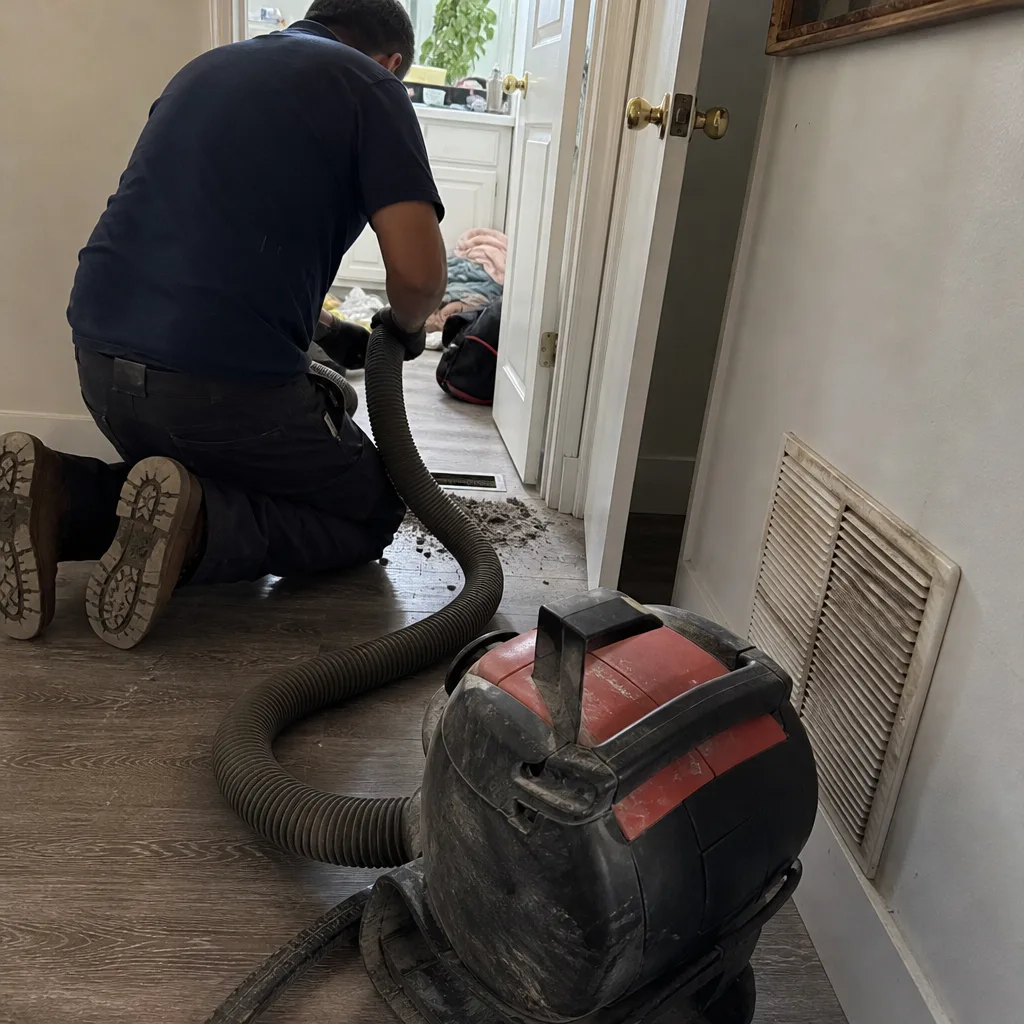 Before
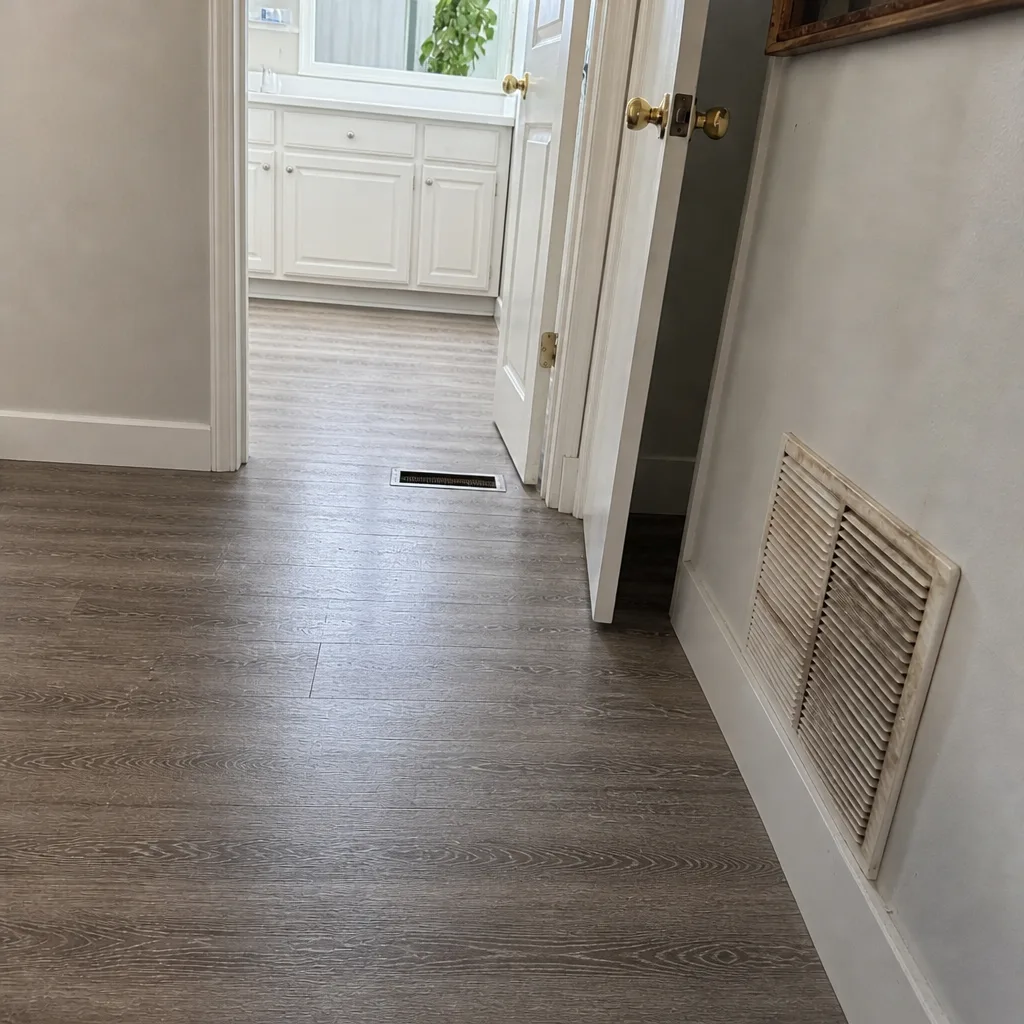 After
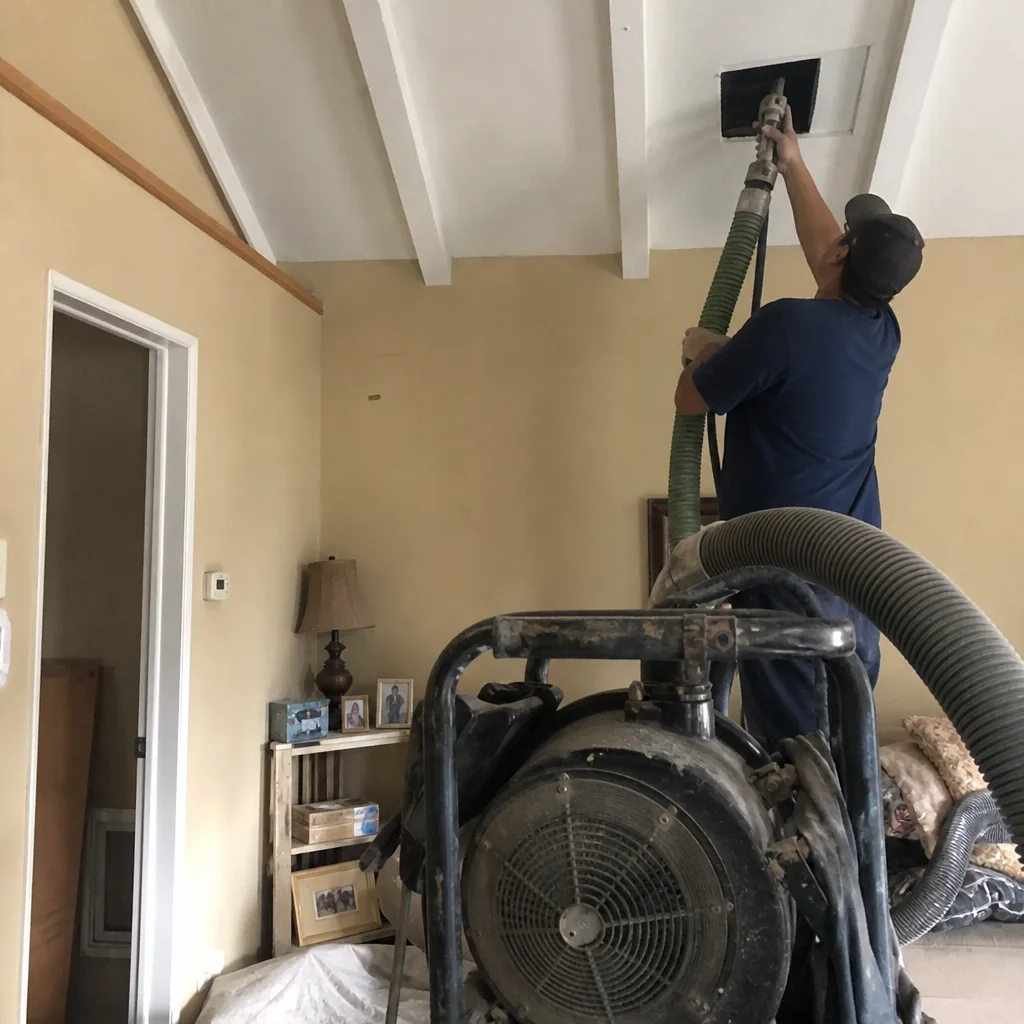 Before
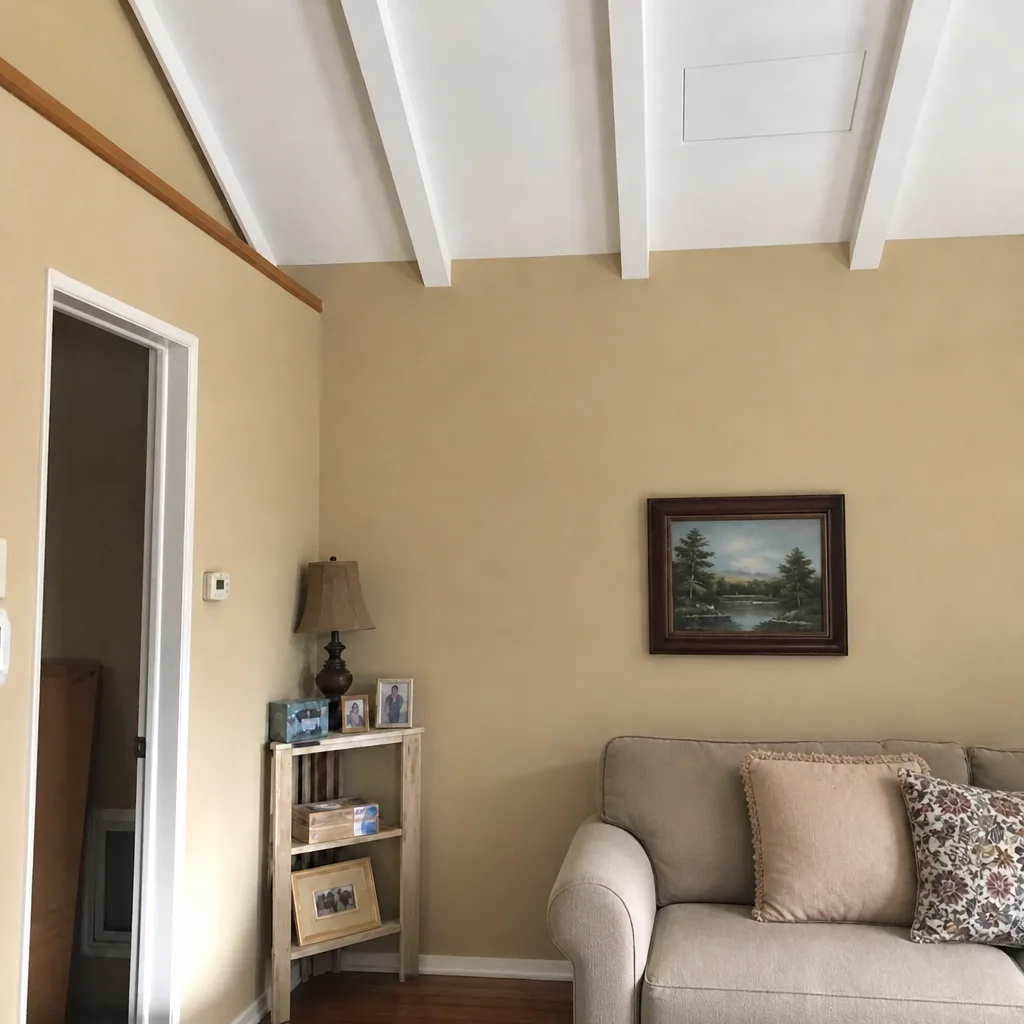 After
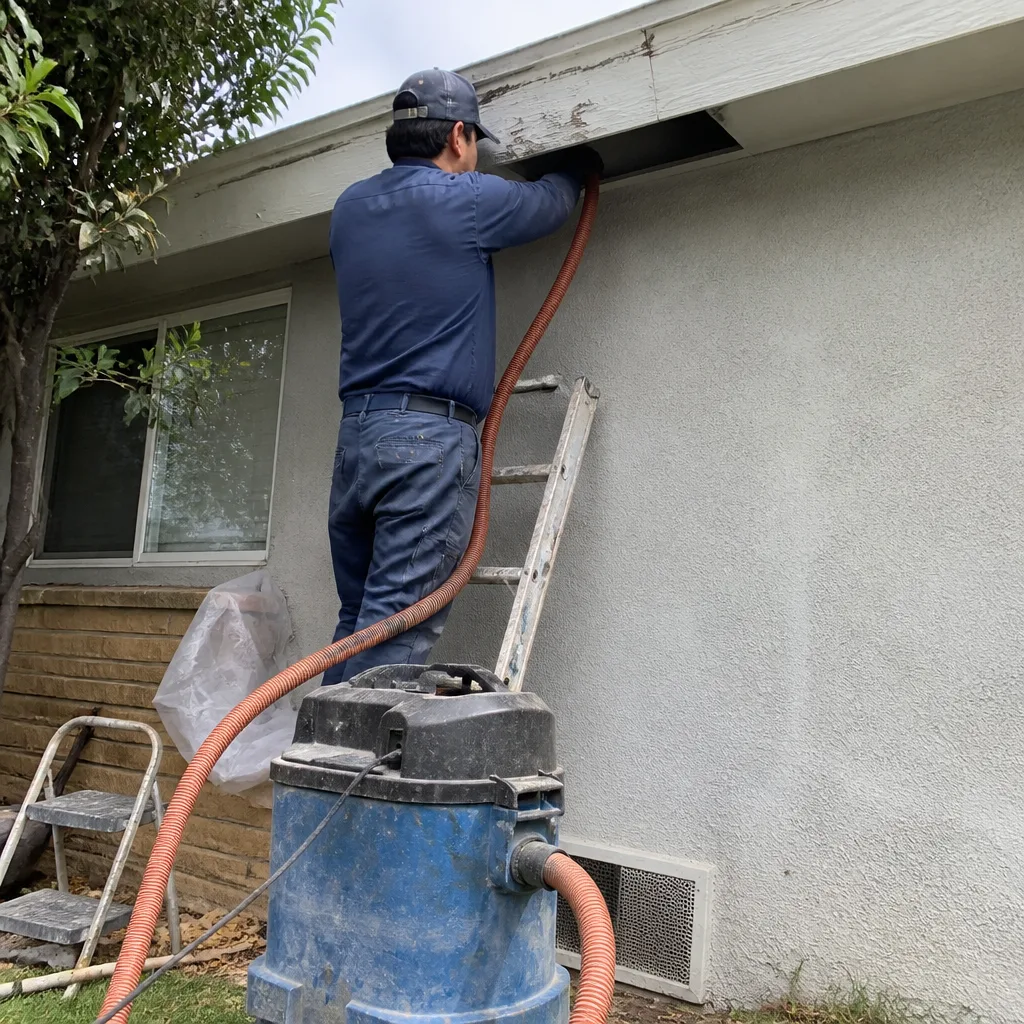 Before
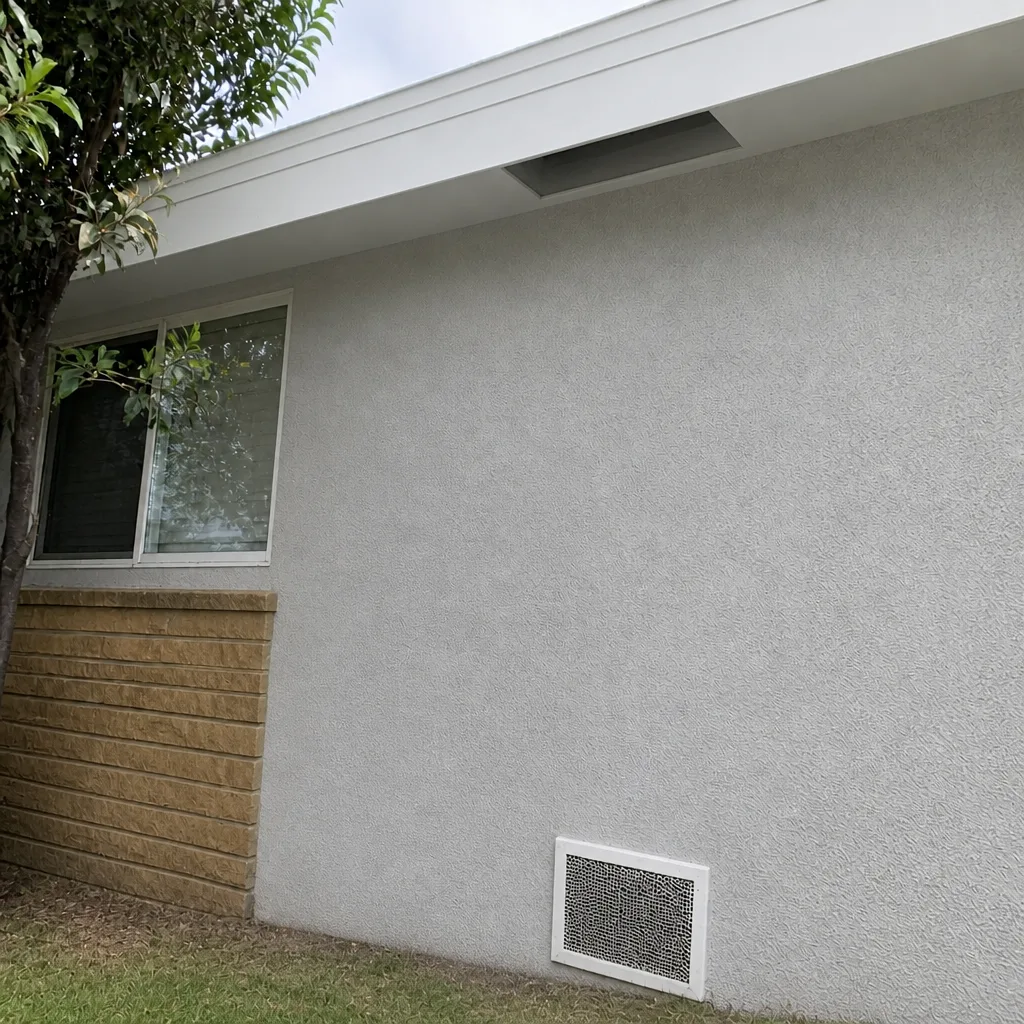 After
When to Call a Professional
Call a professional when signs cross into Tier 3, when Tier 2 signs stack up across multiple rooms, or when you’re not sure which tier you’re looking at. Specific cases worth a call: a persistent musty smell that survives filter changes, visible growth near the air handler, heavy dust after renovation or a smoke event, a sudden weak airflow in multiple rooms, or a post-seismic check you don’t want to do yourself. If you have a dryer vent that’s taking longer and longer to dry a load, that’s a separate safety call. University Park Air Duct Cleaning Co offers free estimates in University Park – call (866) 947-8605. We answer 24/7. Fast dispatch from 7am to 7pm, Sunday through Friday.
Frequently Asked Questions
You know your ducts need cleaning when Tier 2 or Tier 3 signs persist: uneven room temperatures, rising utility bills without a rate change, visible growth, or heavy dust after renovation or smoke. A single dusty register isn’t enough. Look for a pattern of two or three signs before booking. Call (866) 947-8605 for a free estimate – our written quote sets the final price.
A duct cleaning addresses the duct runs, registers, and grilles; an HVAC cleaning addresses the air handler, blower, coil, and cabinet. The two overlap in diagnosis but not in scope. In our experience, most Comfort complaints need both looked at together, which is why we schedule a full-system assessment. Call (866) 947-8605 to book a free estimate.
It could be either. Duct leakage tends to produce a gradual upward trend with stable comfort, equipment degradation tends to produce a rise without comfort loss, and duct obstruction tends to produce a sharp rise with weak airflow in one or more rooms. Compare the same month year over year to rule out rate changes. Call (866) 947-8605 for a free estimate – the written quote sets the final price.
Most University Park homes do well with a duct check every few years, and more often if the home has pets, recent renovation, or a wildfire smoke event. Older homes with original ductwork often benefit from a check sooner. The signs framework is more reliable than a calendar. Call (866) 947-8605 for a free estimate.
No. A musty smell can come from the coil, the condensate pan, or the duct lining, and each has a different fix. If the smell is constant and strongest when the system runs, it’s more likely duct-lining growth. If it fades after startup, the coil is a more likely source. Call (866) 947-8605 for a free assessment.
Ask for before-and-after photos of your own ducts, a flat price per system agreed before the work starts, and a written scope of what’s being cleaned or repaired. A crew that uses professional-grade equipment like Rotobrush and Nikro can show you the difference in photos. Call (866) 947-8605 for a free estimate – the written quote sets the final price.
The Bottom Line
Treat duct warning signs as a diagnostic hierarchy, not a checklist. Nuisance signs like a dusty register rarely justify more than a filter change and a watchful couple of weeks. Efficiency signs like uneven room temperatures and rising bills point to leakage, obstruction, or pressure problems that cleaning alone won’t fix. Health and safety signs mean assessment before another heating or cooling cycle. In University Park, add construction dust, wildfire smoke, and post-seismic inspection to your yearly list. If the pattern is there, get an honest assessment and a flat price per system before any work starts. That’s the difference between a real diagnosis and a sales call.
Ready to put your system through a proper assessment? Call University Park Air Duct Cleaning Co at (866) 947-8605 for a free estimate. We answer 24/7. Fast dispatch from 7am to 7pm, Sunday through Friday. We bring remediation-grade equipment – Rotobrush and Nikro duct cleaning systems and Abatement Technologies containment – to every University Park job, and we install Honeywell and Aprilaire air quality products on the same visit when the diagnosis calls for it. Free estimates, a flat price per system agreed before work starts, before-and-after photos of your own ducts, and one crew handling cleaning, repair, sealing, and sanitizing so nothing gets left for a second company to finish.
Written by the team at University Park Air Duct Cleaning Co.