
Last updated November 24, 2026
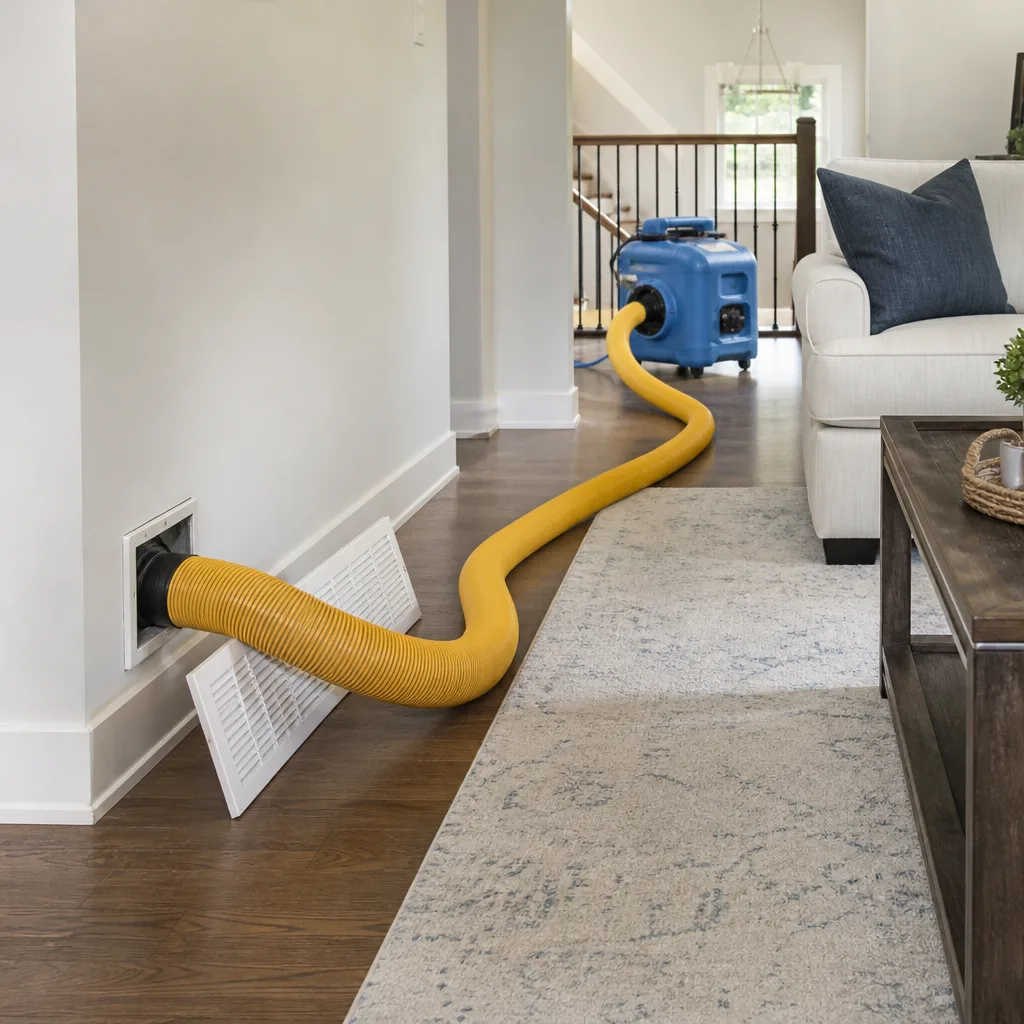 Whole-home duct cleaning
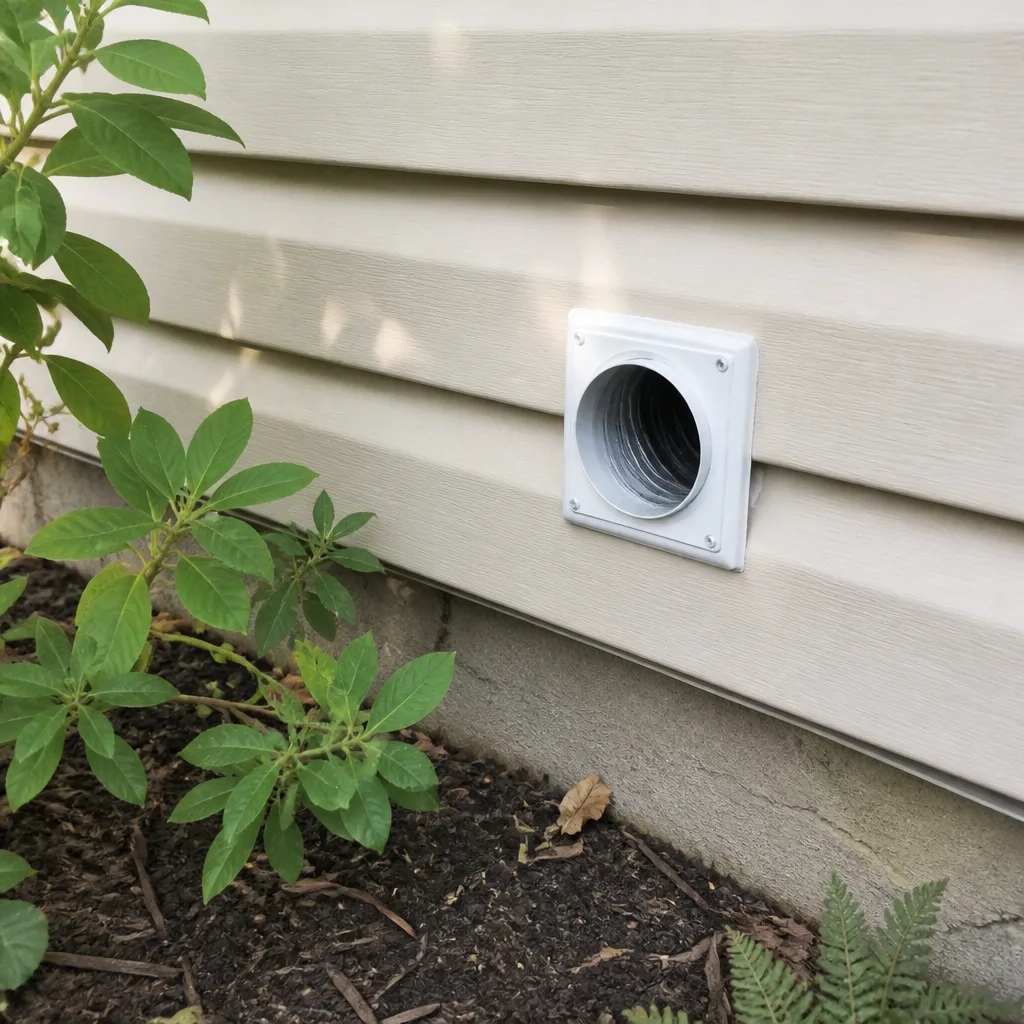 Dryer vent cleaning
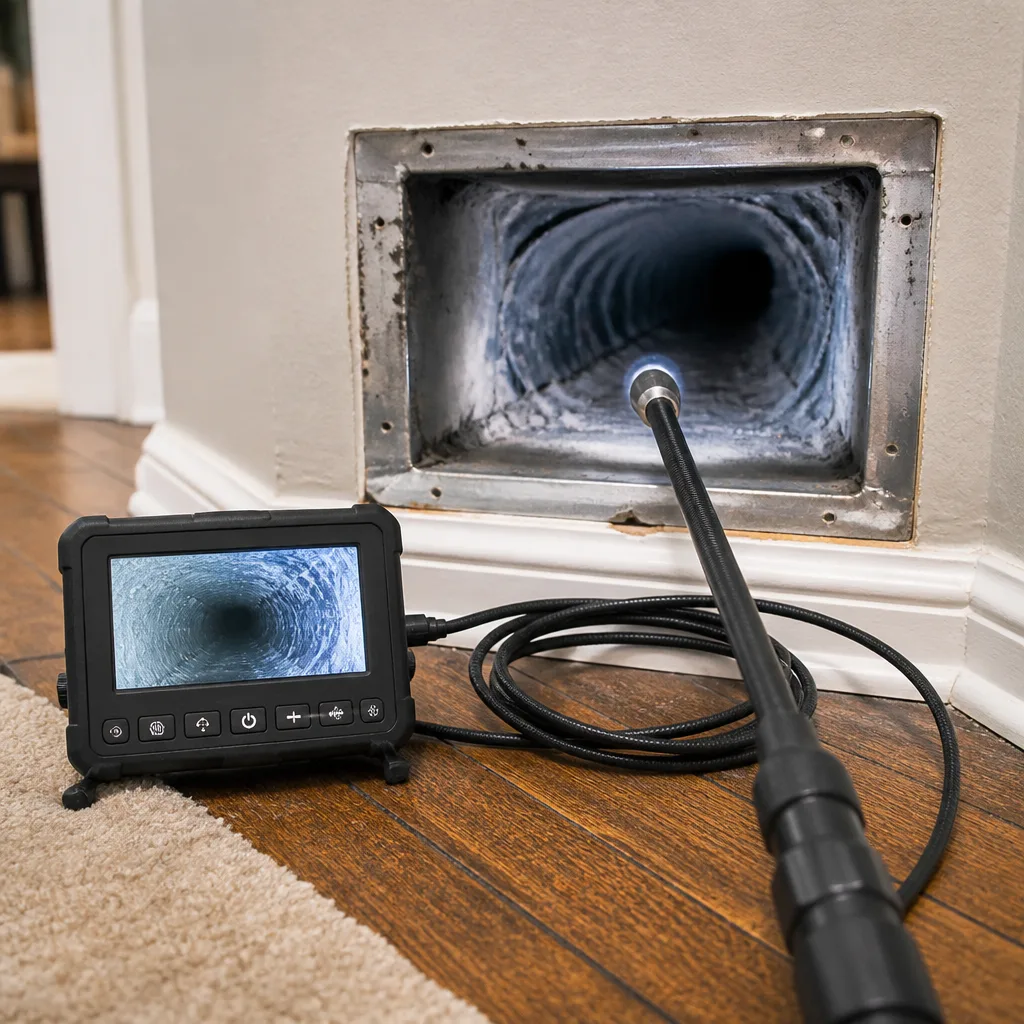 Camera inspection
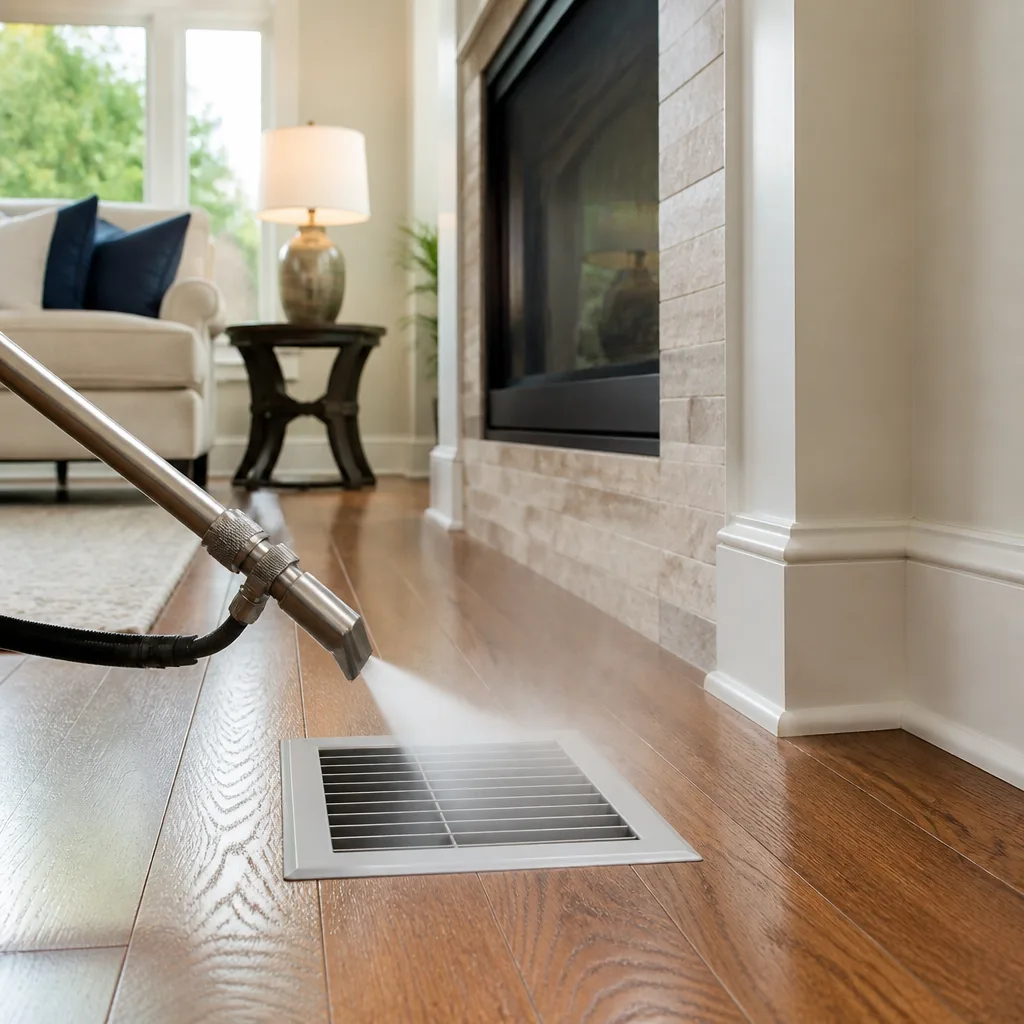 Sanitizing & deodorizing
Whole-system duct and dryer vent check with before-and-after photos - you see exactly what came out of your vents
That "$99 whole-house special" is a bait ad - the real number appears once they are in your hallway, or the "clean" is a shop-vac at the register. We photograph the inside of your ducts before and after instead.
How to Hire an Air Duct Cleaning Contractor in University Park: A Step-by-Step Guide
The single most revealing question you can ask a duct cleaning contractor has nothing to do with price or reviews. It’s this: “What’s the static pressure your negative air machine pulls?” Most can’t answer it, and that tells you more than any five-star rating will. Air duct cleaning in University Park is sold as a cheap add-on by generalists who show up with a shop vac and a spinning brush. Vetting a contractor is an equipment and process exercise, not a quote comparison. This guide walks you through the five specs to verify, the credential distinctions that actually matter, the red flags hiding in estimates, and what a legitimate job site looks like before you sign or pay. By the end, you’ll know exactly what to ask and what to inspect.
Quick Answer
To hire an air duct cleaning contractor in University Park, verify equipment specs before price: ask for the machine’s CFM rating, HEPA filtration level, brush drive type, camera capability, and negative-pressure containment method. Confirm the technician’s credentials (NADCA membership alone is not certification), demand a pre-inspection and a written system-wide scope, and require before-and-after photos plus airflow readings before final payment. If a contractor can’t answer the equipment questions in detail, they’re not running remediation-grade equipment.
Styles & brands we work with
- Whole-home duct cleaning
- Dryer vent cleaning
- Camera inspection
- Sanitizing & deodorizing
Table of Contents
- The Five Equipment Specs to Verify Before Signing
- NADCA Membership vs. ACR Certification: What’s the Difference?
- Red Flags Hiding in the Estimate Process
- What a Legitimate Job-Site Setup Looks Like
- How to Structure the Post-Job Walkthrough
- Why University Park Homes Need a Different Vetting Standard
- The Exact Questions to Ask on the Phone
- Common Mistakes to Avoid
The Five Equipment Specs to Verify Before Signing
Equipment is the whole game. A duct cleaning contractor in University Park running consumer-grade vacuums can move dust around a system without ever removing it. A specialist running University Park Air Duct Cleaning Co-class equipment – Rotobrush, Nikro, and Abatement Technologies – is doing a fundamentally different job. Here are the five specs to nail down before any contract:
- CFM rating of the negative air machine. CFM (cubic feet per minute) tells you how much air the vacuum pulls through the system. A machine rated well above the system’s own airflow keeps debris suspended in the airstream instead of letting it settle back into the ducts. If the contractor can’t quote a CFM number, the machine is likely a shop-vac in a bigger housing.
- HEPA filtration level. HEPA filtration captures particles down to 0.3 microns at 99.97% efficiency. Without it, the vacuum exhausts fine particulate straight back into the room. This is the spec that separates remediation-grade equipment from standard cleaning hardware, and it’s the one homeowners forget to ask about.
- Brush drive type. Rotary brushes driven by a flexible shaft or air-driven whip reach the full duct circumference. Brush heads on rigid wands only clean what they can physically touch. Ask which drive the contractor uses and how they handle turns, transitions, and flex duct.
- Camera capability. A push camera lets the technician see the inside of the duct before and after cleaning. No camera means no proof of what happened inside the system. This is a verification tool, not a gimmick.
- Containment method. Negative air pressure keeps contaminants from escaping into living space during the job. Ask how the contractor establishes it and what equipment maintains it. If the answer is “we just hook up the vacuum,” the containment plan doesn’t exist.
We keep this list short on purpose because it’s the point. Five specs. Anyone who can speak to all five is a specialist. Anyone who can’t is selling a service they aren’t equipped to deliver.
NADCA Membership vs. ACR Certification: What’s the Difference?
These are not the same credential, and the difference matters more than most homeowners realize. NADCA membership means a company has joined the National Air Duct Cleaners Association and committed to its code of ethics. ACR certification (Air Systems Cleaning Specialist, technically an individual certification under the ACR standard) means a person has sat an exam, demonstrated competence in system cleaning science, and stays current through continuing education. A company can hold a membership without a single certified technician on staff. A certified technician can work for a company that hasn’t joined at all.
What to look for: the certification belongs to a person, not a company. Ask who on the crew is certified and whether that person will be on site for your job. Ask to see the certificate, not just the logo on the van. Membership is a good signal; certification is the real proof of technical training.
Beyond credentials, look for specialization. A contractor who cleans ducts, installs windows, and does roofing one week and duct work the next is a generalist. A specialist like University Park Air Duct Cleaning Co offers five services under one scope: air duct cleaning, dryer vent cleaning, HVAC cleaning, duct repair and sealing, and air quality and sanitizing. That’s laser focus, and it’s a better predictor of work quality than any membership card.
Red Flags Hiding in the Estimate Process
The estimate process is where most homeowners get burned. Not because of a malicious contractor – because the language is vague, the pricing model is open-ended, and the homeowner doesn’t know which questions to ask until after the invoice arrives. Here’s what to watch for:
- Vague scope language. “Full system cleaning” tells you nothing. Ask how many vents, whether the supply and return sides are both covered, whether the plenum and air handler are included, and whether the price is fixed for the whole system.
- Per-vent pricing with no system cap. If the estimate is “$X per vent,” the total balloons once someone counts your vents on site. Insist on one flat price per system, agreed in writing before work starts.
- No pre-inspection. A serious contractor looks inside the system before quoting. If they’re quoting from the driveway, they’re guessing – and you’ll pay for the guess.
- No written scope. Every line item should be written down: what gets cleaned, what gets sealed, what gets repaired, what gets left alone. Verbal scopes disappear the moment the technician drives away.
- Pressure to sign today. Duct work is scheduled, not urgent. Any contractor who needs a signature before you’ve verified the five equipment specs is a contractor to skip.
The honest version of an estimate is boring: written, specific, priced per system, and paired with a pre-inspection. If it reads like a sales pitch instead of a scope of work, that’s the red flag.
What a Legitimate Job-Site Setup Looks Like
When the crew arrives, you’ll see the equipment. Either it’s there or it isn’t. A legitimate job site has a defined work zone with containment established before any cleaning starts. That means negative pressure, HEPA filtration running, and a clear barrier between the system access points and the rest of your home. A truck-mounted vacuum left idling at the curb with a hose snaking through a front door is not containment – it’s a hose on your sidewalk and dust settling in your hallway.
What to look for on arrival:
- Containment plastic or sheeting over floors and nearby surfaces
- HEPA filtration equipment set up and running before cleaning starts
- A push camera used to inspect and document the system before and after
- Access panels removed at the plenum and air handler, not just at the vent registers
- A written scope on hand, matching what you agreed to
We run Rotobrush and Nikro systems on every job, and we use Abatement Technologies equipment for remediation-grade filtration and containment. That’s the same hardware commercial HVAC contractors use, and it’s what keeps the job clean from start to finish. Remediation-grade equipment, residential prices – that’s the standard. If you don’t see it on site, ask why.
How to Structure the Post-Job Walkthrough
The walkthrough is where you collect your deliverables before paying. Don’t hand over the final payment until you’ve walked the system, seen the proof, and confirmed every scope item was completed. Here’s the structure:
- Review the scope line by line. What was agreed to in the estimate should match what was done. If something was left out, ask why before payment.
- Inspect the access points. Panels should be resealed cleanly. No gaps, no tape holding a duct together, no insulation left hanging.
- Look at before-and-after photos. Push camera images of the inside of the ducts, before and after cleaning. Require them.
- Ask for airflow readings. If you had a measurable airflow problem before cleaning, you should see it addressed afterward. If no readings were taken, ask for them.
- Confirm sealing and repair work. If duct repair and sealing were part of the scope, ask for photos of the sealed joints and confirm what material was used.
- Review any air quality upgrades. If a Honeywell or Aprilaire product was installed for air quality improvement, walk through how it works and how to maintain it.
- Get the written scope of work and service record. Keep these for future reference, especially if you sell the home or file an insurance claim.
A contractor who expects to skip this walkthrough is a contractor who expects you not to check. The walkthrough is your leverage. Use it.
Why University Park Homes Need a Different Vetting Standard
University Park homes tend to sit in a specific bracket: mature construction, systems that have been through multiple renovations, and ducting that wasn’t installed with modern filtration in mind. That changes what the right contractor needs to do. A rote duct sweep that works in a new build misses the sealed-off runs, the disconnected flex sections, and the plenum leaks that older systems often have after renovation. Hiring for University Park means hiring for repair and sealing capability, not just cleaning.
The climate helps on one front and hurts on another. Mild winters mean your HVAC runs year-round for cooling more than heating, so the system distributes more air – and more airborne particulate – through the year. Dust, pollen, and renovation debris build up in the supply side faster. That’s the case for a full-scope service: clean the ducts, then repair and seal leaks so the cleaned system stays clean. Clean ducts are only half the job if the system will leak dust back in within a season.
This is where a full-service specialist matters. A contractor who cleans but doesn’t repair leaves the job unfinished. A contractor who repairs and seals, installs Honeywell or Aprilaire filtration, and offers Guardsman-grade sanitizing under the Air Quality and Sanitizing tier closes the loop. One crew, full scope. Nothing subcontracted, nothing left for a second visit.
Property managers in University Park face the same math at scale. A multifamily building with older ducting and a recent renovation will show the clog-and-leak pattern in units across the building. Vetting one contractor who can handle cleaning, HVAC coil work, and dryer vent safety in the same building visit is a better outcome than three separate vendors – and a faster path to a clean bill of health.
The Exact Questions to Ask on the Phone
Phone screening saves you the estimate visit. Ask these questions before you book anyone:
- “What CFM does your negative air machine pull?” – If they can’t answer, stop here.
- “Does your vacuum run HEPA filtration?” – “Yes” should follow immediately, not after a pause.
- “Is your brush a rotary drive or a rigid wand?” – Rotary, or the answer tells you what to expect.
- “Do you use a push camera to document before and after?” – No camera, no proof.
- “How do you establish negative pressure during the job?” – A specific answer is a specialist; a vague one is a hobbyist.
- “Is the price per system or per vent?” – Per system, in writing, agreed before work.
- “Do you offer a pre-inspection before quoting?” – Yes is the only acceptable answer.
- “Who on your crew holds ACR certification?” – Ask if that person will be on site for your job.
Run through this list with two or three contractors. The spread in answers will make the decision obvious. Call (866) 947-8605 for a free estimate from a specialist who can answer every one of these.
Common Mistakes to Avoid
- Comparing quotes without comparing equipment. A $99 quote and a $400 quote aren’t for the same service. One uses a shop vac; the other uses a CFM-rated machine with HEPA and containment. Fix the spec first, then compare price.
- Accepting per-vent pricing. In older University Park homes, vent counts can run higher than expected. Per-vent pricing turns “how many did we count?” into the final invoice. Demand a per-system flat price.
- Skipping the pre-inspection. If the contractor won’t look inside the system before quoting, they’re pricing a guess and you’ll pay for it. A camera inspection before the quote is table stakes for University Park homes that have been through renovations.
- Not requiring before-and-after photos. The inside of a duct is invisible from outside. Without camera documentation, you have no way to know whether cleaning, repair, and sealing actually happened.
- Hiring a generalist for a specialist job. Duct cleaning, sealing, and air quality work aren’t side services. A contractor who does ducts only as an add-on to a roofing or handyman business will treat your system as a side job too.
- Ignoring the dryer vent. Dryer vent cleaning is a fire-safety service, not an HVAC accessory. Lint builds up and reduces airflow; the risk compounds the longer it goes unaddressed. Ask about dryer vent cleaning while the crew is on site: it’s the same visit, and the risk is real.
- Paying before the walkthrough. The walkthrough is your final checkpoint. Pay after you’ve seen the scope met, the photos, and the airflow readings.
See the difference
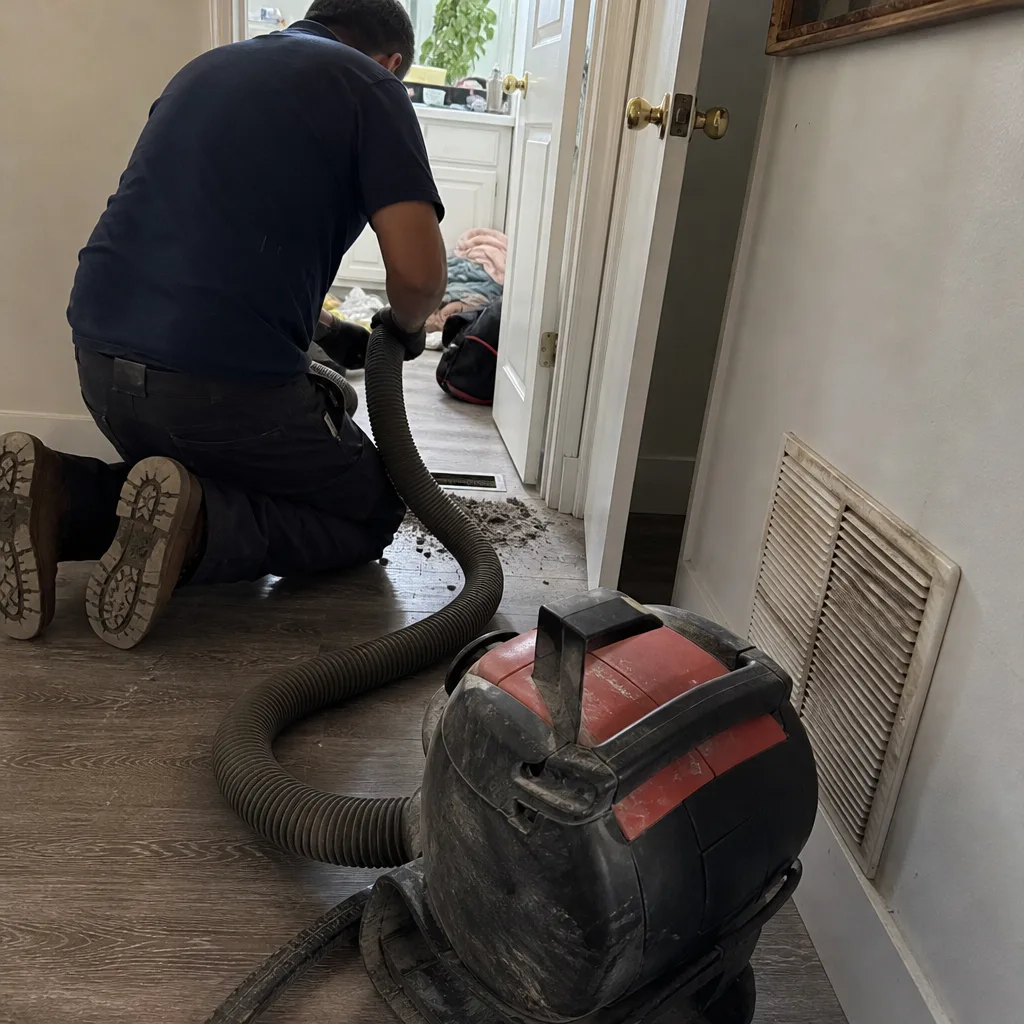 Before
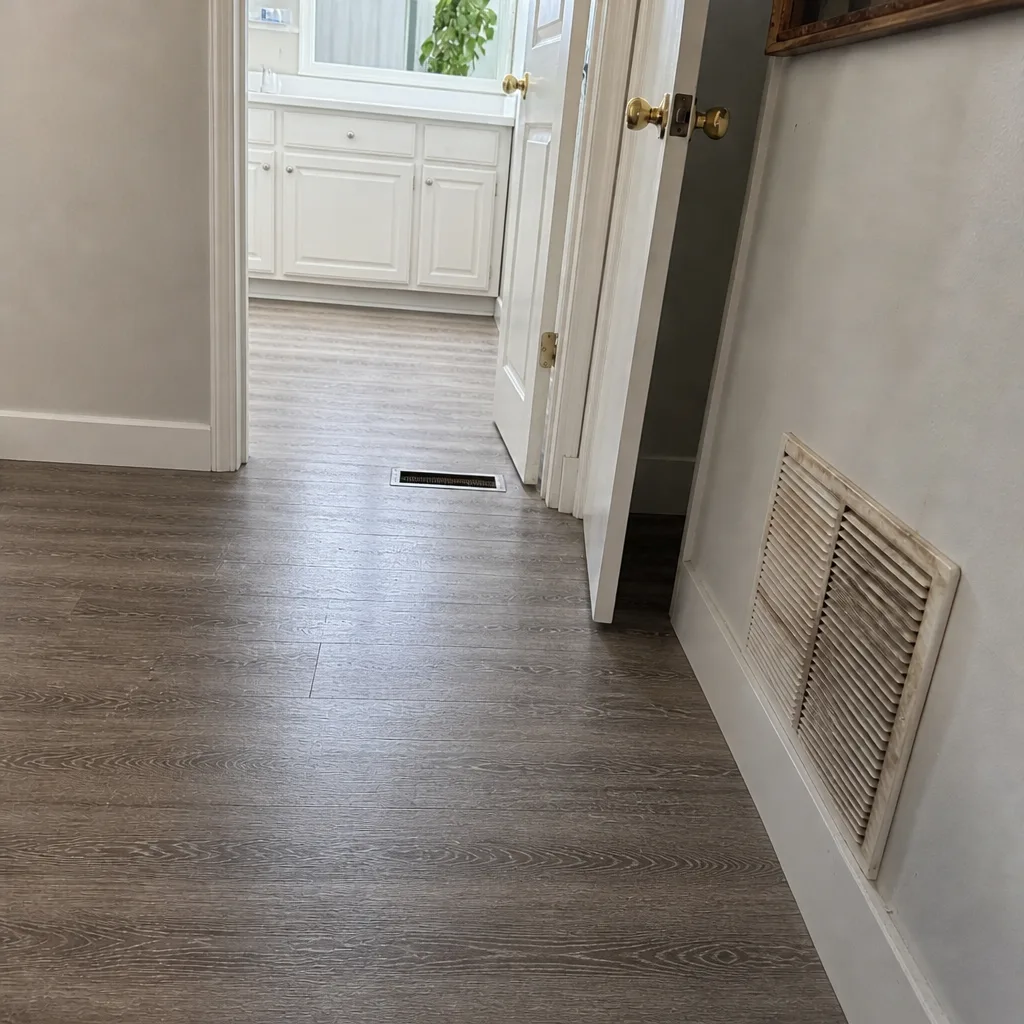 After
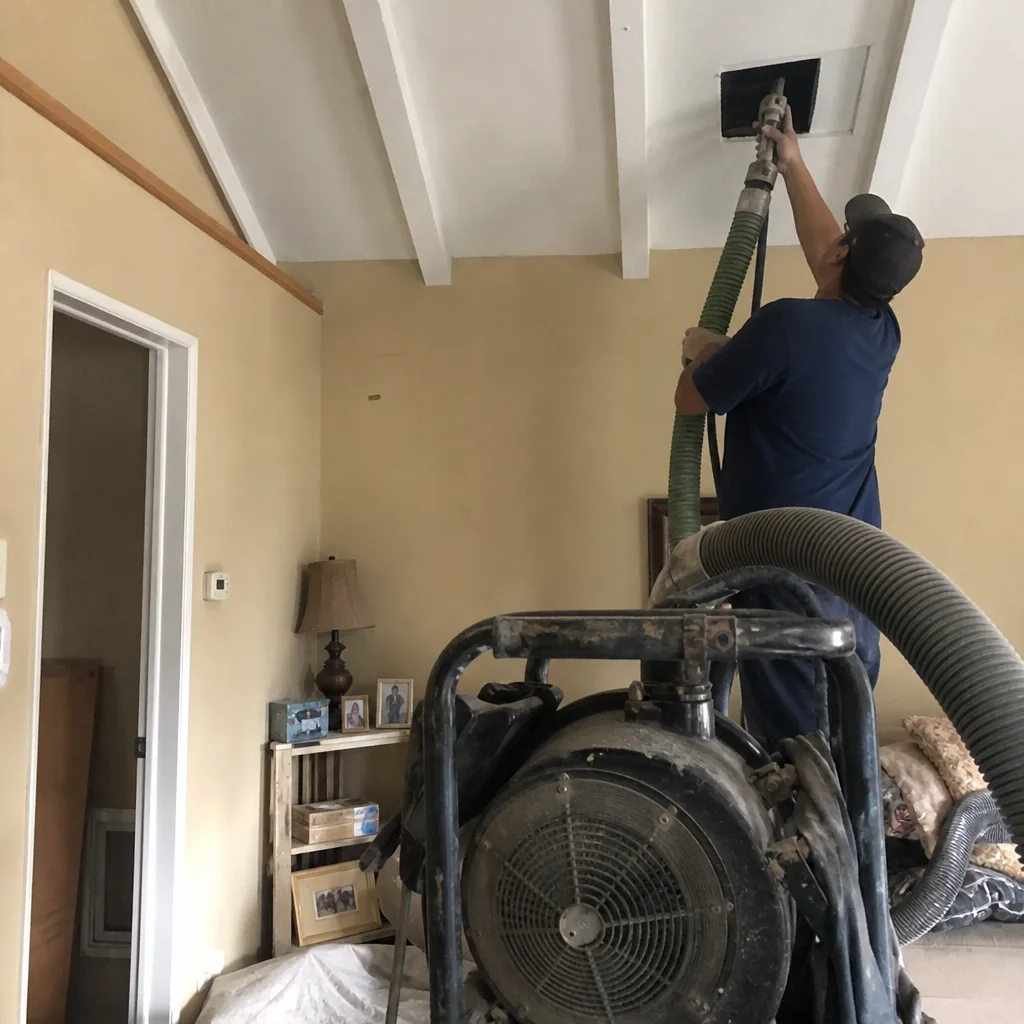 Before
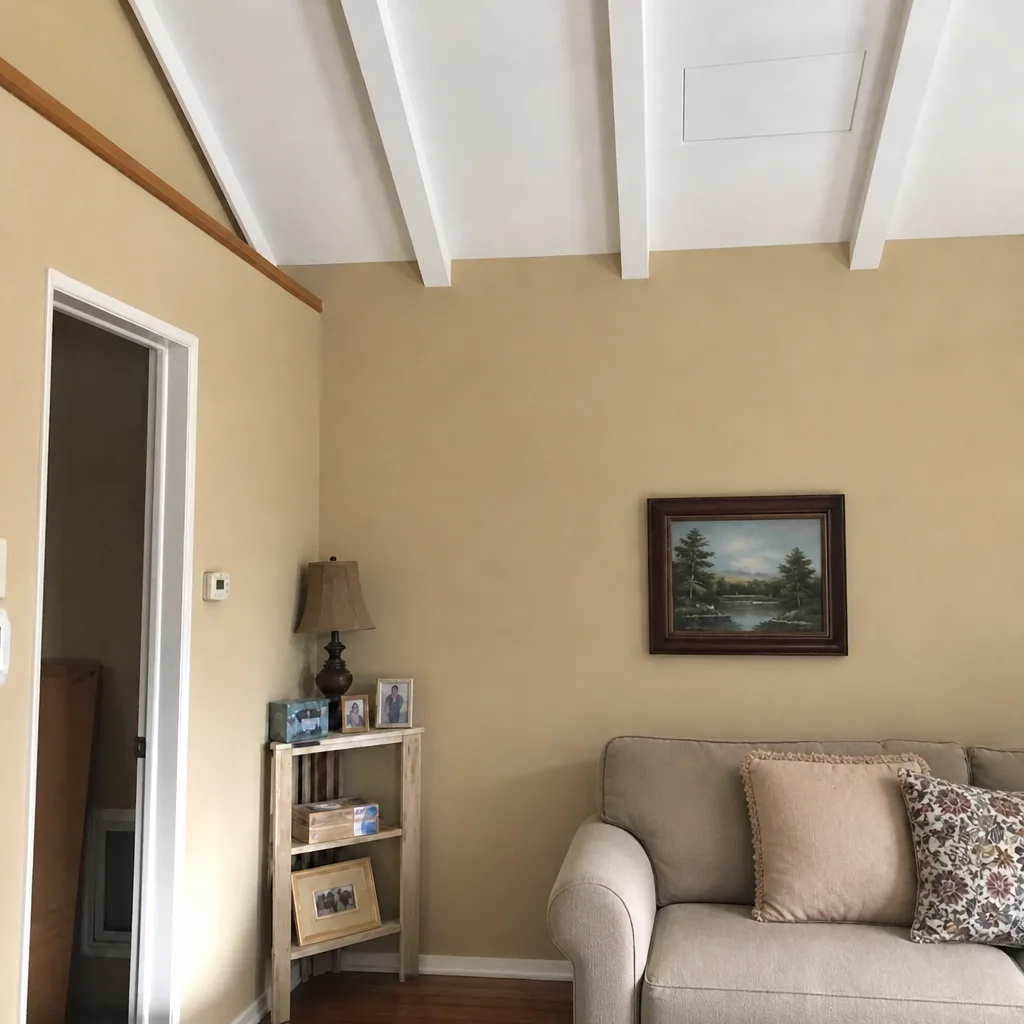 After
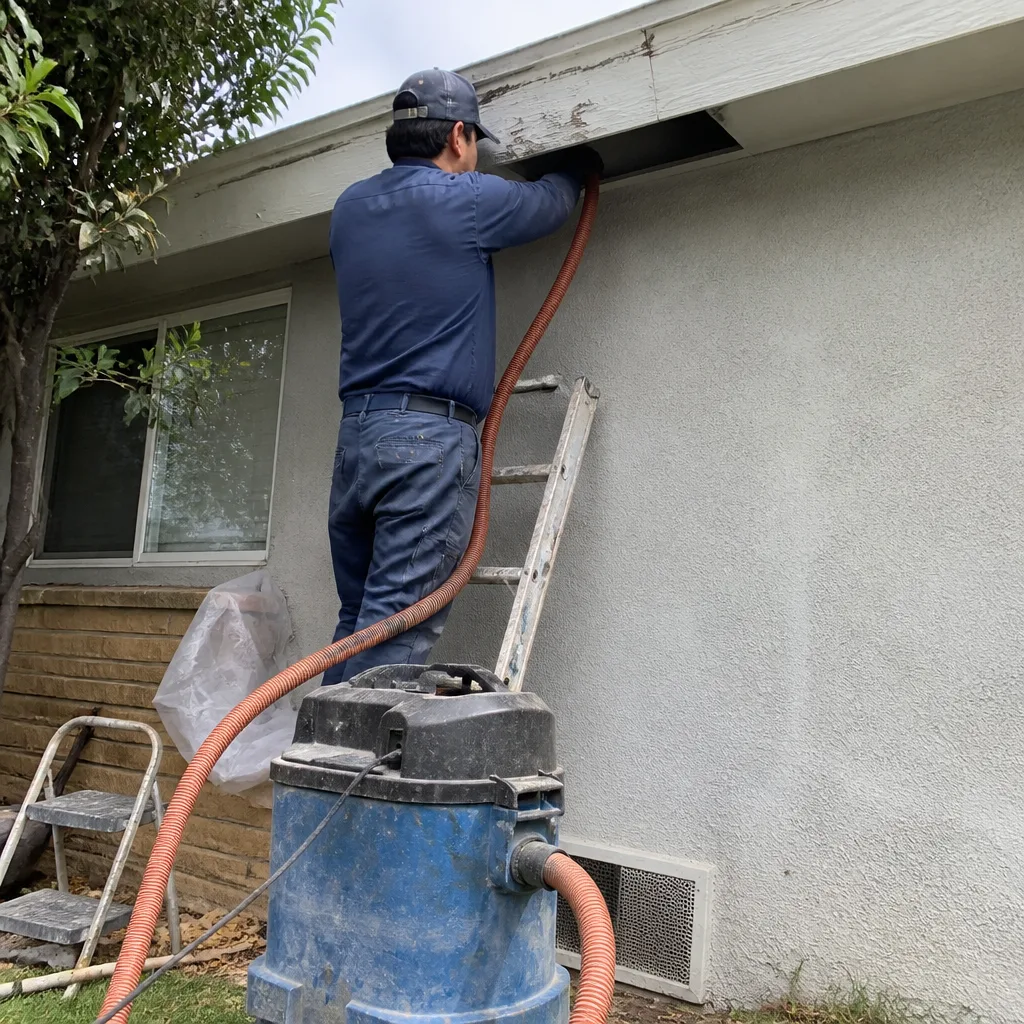 Before
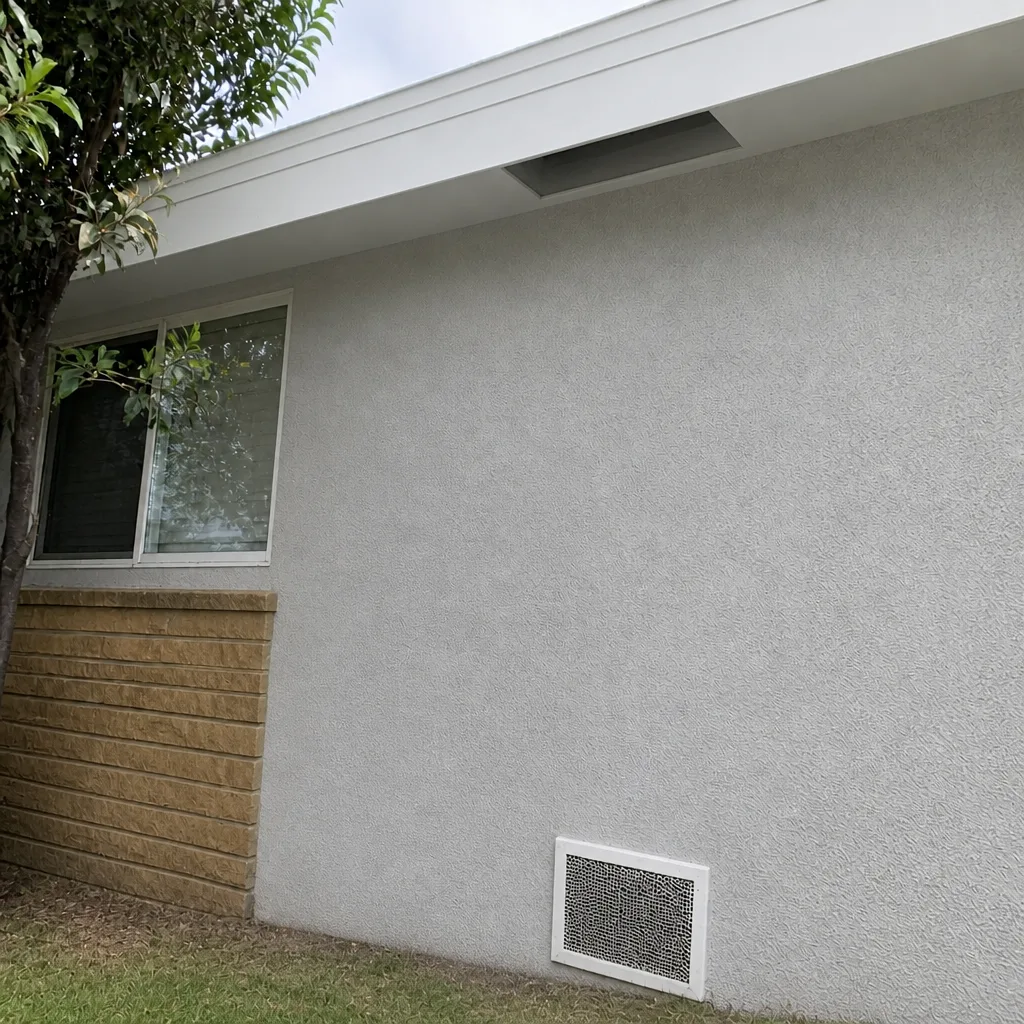 After
When to Call a Professional
Call a duct cleaning contractor in University Park when you notice any of the following: visible dust puffing from registers every time the system starts, allergy symptoms that flare up indoors and settle when you leave the house, a recent renovation that sent drywall dust or insulation fiber through the return side, a home inspection that flagged debris or disconnected ducts, or a musty smell coming from the supply vents. Dryer vent cleaning is worth calling about whenever the dryer takes noticeably longer to dry a load or the outside vent flap no longer opens fully. If you’re a property manager and a unit shows airflow problems after a renovation, the system deserves a camera inspection before anything else. University Park Air Duct Cleaning Co offers free estimates in University Park – call (866) 947-8605. We answer 24/7. Fast dispatch from 7am to 7pm, Sunday through Friday.
Frequently Asked Questions
Duct cleaning in University Park typically runs on a per-system price rather than a per-vent price, and that number is set by the written estimate after a pre-inspection. Any quote given over the phone without a camera inspection is a guess. Get the scope in writing before work starts. Call (866) 947-8605 for an exact quote – estimates are free.
Cheap quotes usually reflect cheaper equipment. A contractor running a consumer-grade vacuum without HEPA filtration and without containment can undercut a Remediation-grade specialist because they aren’t paying for the machine, the filters, or the camera. The cheap price is real; the cleaning is not. Call (866) 947-8605 for a free estimate from a specialist running Rotobrush and Nikro equipment.
Ask for before-and-after push camera photos, airflow readings, and a written scope signed off on the walkthrough. If the contractor can’t produce these three deliverables, you have no way to verify cleaning, repair, or sealing actually happened. The walkthrough is where you collect them, before final payment. Call (866) 947-8605 for a free estimate that includes documented deliverables.
Most homes need duct cleaning every few years, sooner after a renovation, with pets in the home, or when allergy symptoms flare indoors. Property managers often schedule per turnover. If the system hasn’t been inspected in several years, a camera inspection is the first step, not a cleaning. Call (866) 947-8605 for a free estimate.
No. NADCA membership signals a code-of-ethics commitment; ACR certification is a person-level technical credential earned through exam and continuing education. Ask who on the crew holds the certification and whether that person will be on site for your job. University Park Air Duct Cleaning Co offers free estimates – call (866) 947-8605.
Often yes, especially in older University Park homes that have been through remodeling. Clean ducts only stay clean if the system doesn’t leak. A pre-inspection with a push camera reveals disconnected flex sections, plenum leaks, and sealed-off runs that cleaning alone won’t fix. We handle cleaning, repair, sealing, HVAC cleaning, and air quality upgrades with one crew. Call (866) 947-8605 for a free estimate.
Dryer vent cleaning is a separate fire-safety service and worth asking about on the same visit. Lint accumulation reduces airflow, strains the dryer, and creates a real fire risk over time. If your dryer takes longer to dry a load or the outside flap stays closed, it’s time. Call (866) 947-8605 for a free estimate.
The Bottom Line
Hiring a duct cleaning contractor in University Park is an equipment and process exercise. Verify the five specs – CFM, HEPA, brush drive, camera, containment – before you compare price. Confirm the credentials belong to a person on the crew, not just a logo on a van. Demand a pre-inspection, a written scope, per-system pricing, and a walkthrough with before-and-after photos and airflow readings. Skip the generalist; hire a specialist. And don’t forget the dryer vent while the crew is on site. That’s the whole vetting formula. Call University Park Air Duct Cleaning Co at (866) 947-8605 for a free estimate. We answer 24/7. Fast dispatch from 7am to 7pm, Sunday through Friday.
For the full scope of what a specialist handles, the air duct cleaning service page covers the cleaning process in detail, and the HVAC cleaning page explains how coil and component cleaning fits alongside duct work. Both are worth reading before you call.
Written by the team at University Park Air Duct Cleaning Co.