
Last updated November 24, 2026
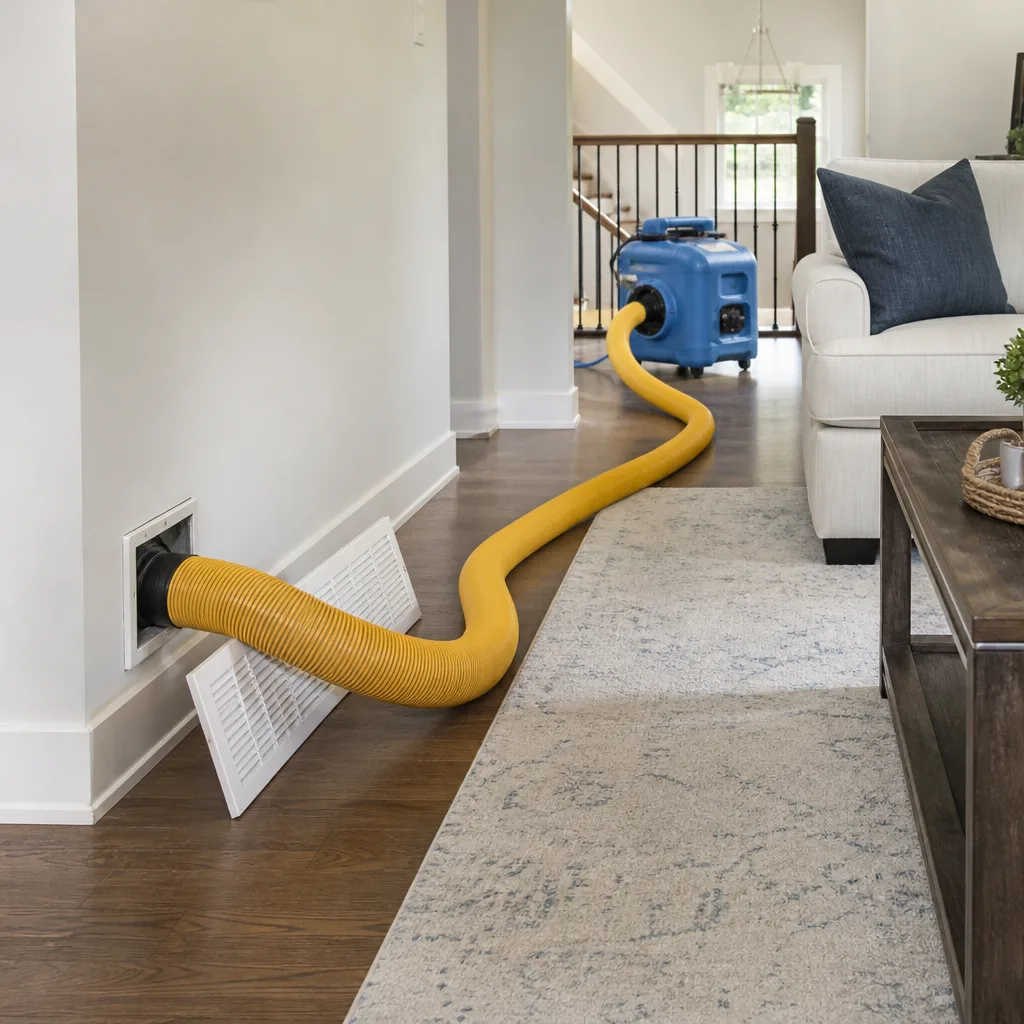 Whole-home duct cleaning
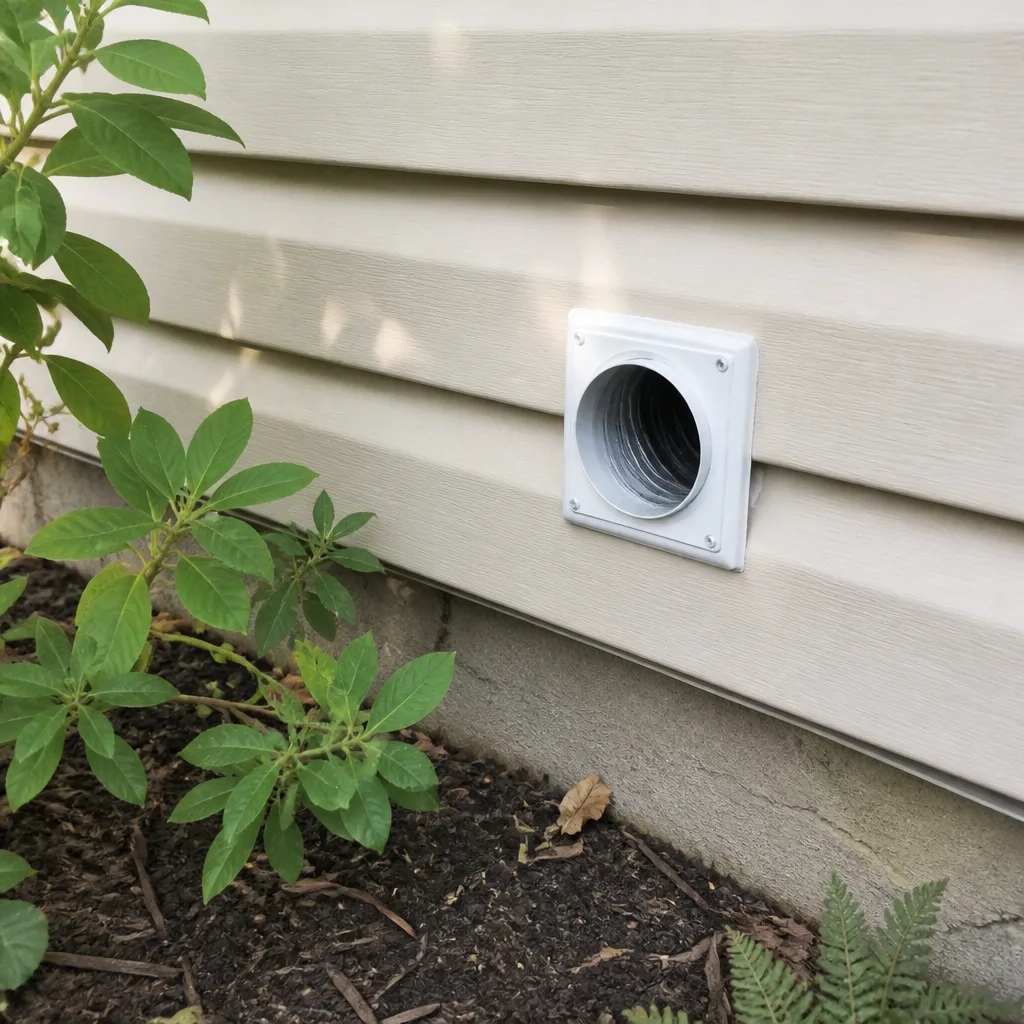 Dryer vent cleaning
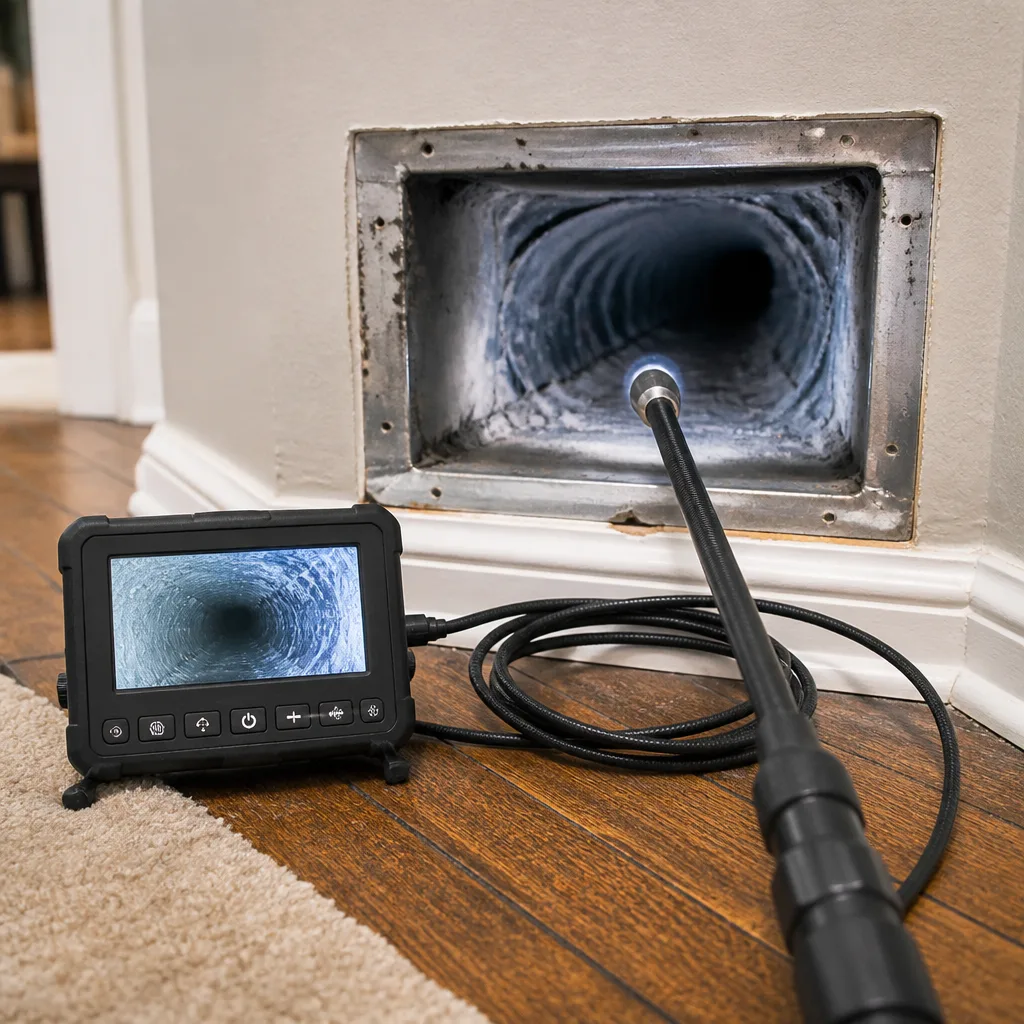 Camera inspection
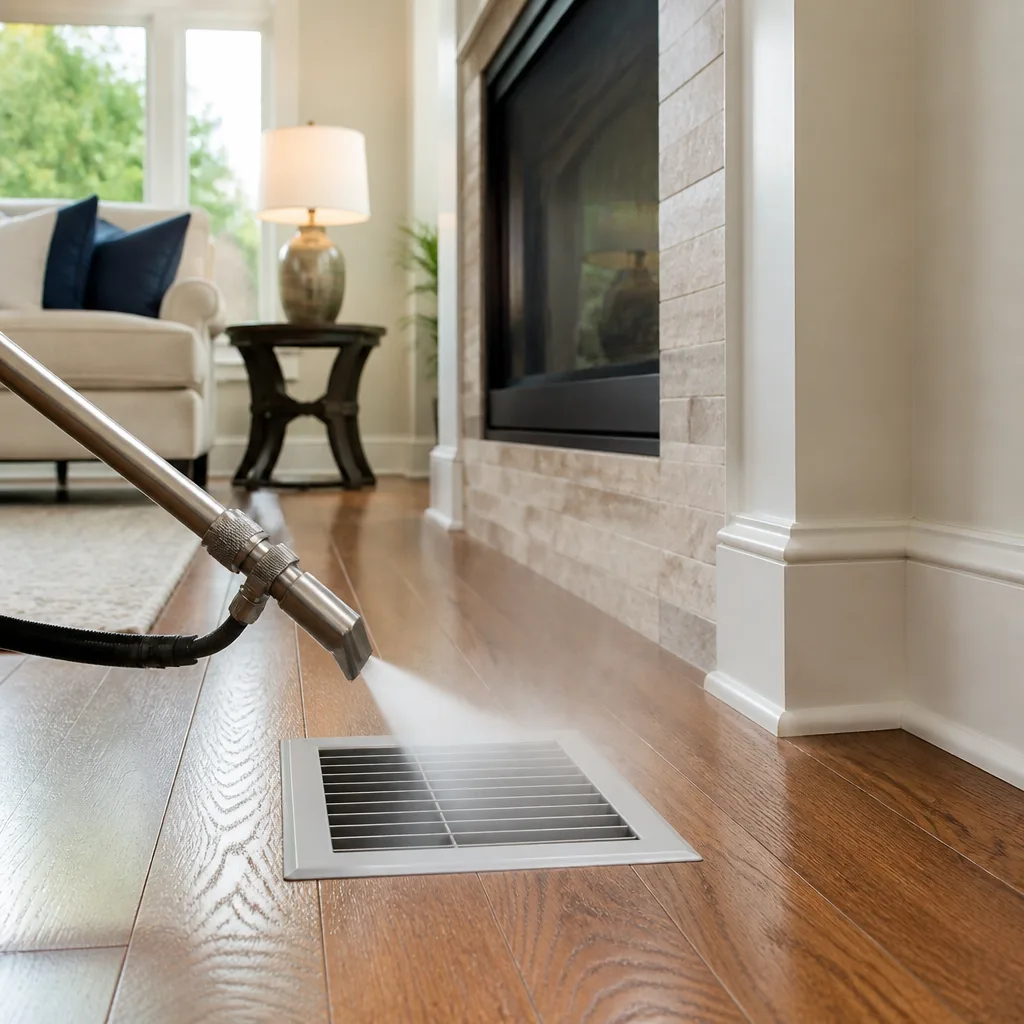 Sanitizing & deodorizing
Whole-system duct and dryer vent check with before-and-after photos - you see exactly what came out of your vents
That "$99 whole-house special" is a bait ad - the real number appears once they are in your hallway, or the "clean" is a shop-vac at the register. We photograph the inside of your ducts before and after instead.
DIY vs Professional Air Duct Cleaning: The University Park Homeowner’s Decision Guide
Here’s the part most DIY air duct cleaning tutorials skip: a shop vacuum fitted to a dryer vent brush pulls roughly one-fifteenth the negative pressure of the professional HEPA machines that remediation contractors run. Pressure, not scrubbing action, is what actually lifts settled debris out of a duct run and holds it in a filter instead of dropping it back into the room. That single physical fact reshapes the whole do-it-yourself question. What follows won’t tell you to always hire out or always grab a vacuum. It’s a working decision guide for University Park homeowners who want to know which duct tasks they can genuinely handle, which ones quietly cause damage, and where a professional crew earns its cost. You’ll leave knowing how to sort your own situation by home age, contamination type, renovation history, and health sensitivities.
Quick Answer
You can safely handle register cleaning, a visual inspection of accessible flex duct, and routine dryer vent lint removal yourself. For anything involving source removal from inside the duct runs, fiberglass or mold contamination, post-renovation debris, or a system that’s never been cleaned, professional equipment wins because consumer vacuums can’t generate the negative pressure or containment needed to extract contamination rather than redistribute it. In short: maintenance is DIY-friendly, contamination removal is not.
Styles & brands we work with
- Whole-home duct cleaning
- Dryer vent cleaning
- Camera inspection
- Sanitizing & deodorizing
Table of Contents
- The Physics of Source Removal: Why CFM and Static Pressure Beat Brushing
- What You Can Legitimately Do Yourself
- Where DIY Attempts Cause Real Damage
- The Containment Problem
- What Professional-Grade Equipment Actually Does Differently
- A Decision Matrix for Your Home
- Dryer Vents: A Separate Safety Question
- What to Expect and How to Judge a Bid
The Physics of Source Removal: Why CFM and Static Pressure Beat Brushing
Most misunderstandings about duct cleaning come down to confusing agitation with extraction. A brush dislodges debris from duct walls. It does not remove that debris from the system. The removal half of the job depends on airflow and vacuum pressure, and those two figures are where consumer tools and professional machines part ways by an order of magnitude.
Two numbers matter to anyone assessing a duct system. Cubic feet per minute, or CFM, describes how much air volume moves through the working machine. Static pressure describes how hard that air is being pulled against resistance inside the duct network. A shop vacuum may rate well on a sealed-canister test, but connect it to a long, flexible duct run with corners and narrow registers, and its effective pickup at the far end collapses. Professional equipment maintains differential pressure across the whole system, which is why a Rotobrush or Nikro platform running on a University Park job moves air through the entire duct tree, not just the section near the wand.
Agitation still has its place. The standard professional sequence alternates the two actions:
- Isolate the zone and establish negative pressure at the main trunk using a machine like the Rotobrush or Nikro system.
- Insert agitation tools or air whips inside the run to break debris loose from duct walls.
- Keep negative pressure running so the dislodged material travels to a HEPA filter rather than settling back into the room air.
- Repeat along each branch line, cutting air to zones not currently being serviced.
- Capture any residual material through a second pass with a high-filtration vacuum at the register face.
That sequence is what “source removal” means. A homeowner with a shop vacuum can perform step two in a few runs, but steps one, three, and five depend on equipment that most basements and closets can’t even accommodate. That’s the real gap, and it’s why we lead with hardware before talking about price on a University Park air duct cleaning job.
What You Can Legitimately Do Yourself
Plenty of routine duct maintenance is genuinely within reach of a capable University Park homeowner, and we’d rather you spend fifteen minutes on those tasks than spend hours trying to replicate a $40,000 machine with a hose and a shop vacuum. The jobs below are safe, useful, and won’t damage a well-maintained system when done with ordinary care.
Register and grille cleaning. Removing each supply and return grille and washing it in a sink or with a hose is simple and effective. Dust and pet hair accumulate on the face of a grille constantly, and cleaning those surfaces restores airflow and reduces what gets pulled into the run when the HVAC fan starts. Pop the grille, soak it in warm soapy water, rinse, and dry fully before reinstalling. Ten minutes per grille, once or twice a year, is meaningful maintenance.
Visual inspection of accessible flex duct. If part of your duct system runs through an unfinished basement, attic, or garage, you can visually scan the exterior jacket for tears, sagging, disconnected sections, or condensation. You’re not opening the duct. You’re looking at the outside and noting anything suspicious. Photograph what you see and note the location. That record is useful to a technician later.
Dryer vent lint removal. Removing lint from the flexible connection between the dryer and the wall is a straightforward safety task. So is cleaning debris from the exterior termination hood. What lies beyond those two points, inside the wall or floor cavity, is a different job covered below. If your dryer vent has never been serviced by a professional, the annual lint cleanup is a reasonable DIY task until that deeper service happens.
Filter changes and return-air dusting. Not strictly duct cleaning, but the simplest way to reduce how fast your duct system loads up. Change HVAC filters on schedule, and wipe down the return grille faces between cleanings.
What these tasks share is that they’re on the surface. They reduce what enters the ducts and improve household air quality, but none of them remove what’s already settled inside.
Where DIY Attempts Cause Real Damage
The worst outcomes we’ve seen in University Park duct systems don’t come from skipped maintenance. They come from good-faith DIY efforts that disturbed something inside the duct and left the household worse off. Three particular failures recur.
Dislodged flex duct connections. Flex duct is banded or taped to metal collars at every transition. Reaching into a run with a hose or a long brush frequently loosens that connection without the homeowner noticing. The result is a system that leaks conditioned air into a wall cavity or attic – you’ll notice lower airflow, higher energy bills, or condensation issues months later, and diagnosing the source is expensive.
Punctured duct board lining. Fiberglass duct board lines the inside of many trunk runs. It looks firm from the outside, but the inner foil facing is thin. Brush bristles or a stiff hose tip will puncture it, and once the facing is compromised, exposed fiberglass enters the airstream. That’s a contaminant problem you didn’t have before you started.
Disturbed insulation fragments. Insulation that’s adhered to duct exteriors or held inside acoustic duct runs can be knocked loose any time something moves inside the system. Those fragments then migrate. A homeowner who pulls flex duct slightly to reach a run may dislodge insulation that ends up at a supply register weeks later.
Moisture introduction. Attempting water-based cleaning inside ducts without correct drainage and drying produces condensation and, over time, mold growth. Duct interiors should not be introduced to water casually.
The pattern here is that DIY damage is often invisible until it’s costly. That matters more than whether you “gently” or “carefully” work inside the ducts. The system wasn’t designed for access from the homeowner side.
The Containment Problem
Containment is the piece of professional duct cleaning most homeowners never see, and it’s the piece that separates a clean job from a mess. When a professional technician agitates debris inside a duct, that debris has to go somewhere. Without isolation, it goes into the room air and back through the return.
Professional crews use negative pressure isolation to control that. A HEPA-filtered vacuum machine – often what Abatement Technologies equipment provides – is connected to the main trunk while all supply and return registers except the working one are sealed off. That creates a slight vacuum inside the duct network. Anything dislodged inside a run travels toward the machine, passes through HEPA filtration, and the exhausted air is clean. Air in the room stays outside the duct and doesn’t carry freshly mobilized debris.
A homeowner working inside a duct with a shop vacuum can’t reproduce that setup. A shop vacuum provides suction at its own hose tip only. It doesn’t seal the system, doesn’t pull from the entire tree, and doesn’t filter exhaust air to HEPA standard. In practice, agitating a dusty duct with a shop vacuum frequently makes household air temporarily worse, not better. You’ll see a puff of dust at neighboring registers as soon as the HVAC fan kicks on.
This is the case for approaching contaminated systems with the equipment and containment to match. The work isn’t more effective because the technician scrubbed harder. It’s more effective because the debris had somewhere to go.
What Professional-Grade Equipment Actually Does Differently
We run two professional duct cleaning platforms on University Park jobs – Rotobrush and Nikro – because different systems call for different tooling. Both are the same class of equipment trusted by commercial HVAC contractors, and both are built around the containment principle described above. Neither resembles a residential vacuum with a longer hose.
Three things distinguish this equipment from anything a homeowner can rent:
- Sustained negative pressure. Rotobrush and Nikro machines maintain suction at the trunk across long, multi-branch runs. The pressure doesn’t collapse as distance from the machine increases.
- HEPA-level exhaust filtration. Air exits through sealed filter housings, so particles that leave the duct don’t reach the room.
- Remediation-grade containment capability. When a system shows signs of mold, pest activity, or heavy construction debris, we can bring Abatement Technologies equipment that provides negative air pressure and HEPA filtration of the same standard used on abatement projects. That’s not a step up you can substitute with a consumer product.
The full-service scope matters here. Clean ducts are only half the job when a system has damaged or disconnected sections. On a typical University Park air duct cleaning visit, we inspect the duct network for gaps, separated joints, and duct board damage. If we find any, we can handle repair and sealing during the same visit rather than scheduling a second contractor. And because the same crew carries Honeywell and Aprilaire air quality products, homeowners dealing with allergies or persistent indoor air concerns can finish the job with a filtration upgrade – not a separate appointment.
Our technicians have up to 10 years of experience working with this equipment, and familiarity shows up in the way a system gets handled: which runs get the most attention, where damage is most likely, and how containment gets set up before anybody touches a duct. Learn more about the full scope on our air duct cleaning service page or about broader system cleaning on our HVAC cleaning page.
A Decision Matrix for Your Home
The right answer for your home depends on four variables: the age of the house, the type of contamination creating the concern, the recency of any renovation, and the health sensitivities of the people living there. Use the matrix below to sort your situation before you decide whether to pick up a vacuum or book an estimate.
Scenario A: Recently built or well-maintained home, no health concerns
Recommendation: DIY maintenance. Keep registers clean, change filters on schedule, do visual inspections annually. If nothing has triggered a concern, a full professional cleaning isn’t urgent. University Park homes in this category benefit most from monthly filter attention and clean grille faces.
Scenario B: Older home with original ductwork, first cleaning in a decade or more
Recommendation: Professional. Older duct systems frequently have failing connections, deteriorating duct board, and years of settled accumulation. A professional inspection can identify issues a homeowner can’t see. Cleaning without that assessment risks disturbing compromised materials.
Scenario C: Recent renovation, construction, or attic work
Recommendation: Professional. Drywall dust and construction debris settle deep into duct runs and can travel a full circuit through the HVAC system within days. It’s not just dust. Small fragments of drywall, wood, and insulation can lodge behind registers and stress fans and blower wheels. Professional extraction with containment is the only way to clear that debris without re-contaminating the living space. If a contractor opened walls during work in University Park, assume the ducts need attention.
Scenario D: Household members with allergies, asthma, or immune concerns
Recommendation: Professional, with air quality upgrades. When health sensitivities are in play, efficient removal of settled particulates matters more than typical maintenance. Professional equipment handles the extraction, and the same visit can add a Honeywell or Aprilaire filtration upgrade. Guardsman-grade sanitizing treatments are also available where microbial concerns exist.
Scenario E: Visible mold, pest activity, or unexplained moisture
Recommendation: Professional, remediation-grade. These situations call for the containment and HEPA filtration we run via Abatement Technologies equipment. Don’t attempt DIY intervention. Mold spores and pest residue spread easily when agitated.
Scenario F: Dryer vent that’s never been professionally serviced
Recommendation: Hybrid. Keep the accessible lint trap area clean yourself. Book a professional dryer vent cleaning for the run inside the wall.
Dryer Vents: A Separate Safety Question
Every dryer produces lint, and lint accumulates inside venting in ways that are easy to underestimate. The short section between the dryer and the wall is the part homeowners see, and it’s rarely the dangerous part. The run that travels through a wall cavity, floor joist, or attic is where lint builds up into a dense mat that dryers can’t clear – and that mat is what ignites when the dryer gets hot.
Signs that a dryer vent is overdue for professional service:
- Clothes take noticeably longer than they used to, sometimes two cycles to dry fully
- The dryer body itself feels hot to the touch during a cycle
- A burning or musty smell develops during drying
- The exterior vent flap barely moves or stays closed while the dryer runs
- The flexible connector behind the dryer is crushed, kinked, or visibly packed with lint
The homeowner half of dryer vent maintenance is manageable: pull the dryer out, remove and check the flexible connector, clean lint from the exterior termination hood. Reachable lint removal is a five-minute habit. The vent run hidden inside a wall isn’t reachable, and that’s the portion that determines fire risk. Professional dryer vent cleaning handles that segment with proper tools and containment.
What to Expect and How to Judge a Bid
Air duct cleaning pricing varies widely by system size, contamination level, and whether repair or sealing is included. The right approach is to get a written estimate tied to your specific system rather than a price per vent or an advertised teaser figure. Bait-and-switch pricing is one of the realities of this trade, and it’s a big part of why homeowners hesitate to book.
How to read a bid clearly:
- Ask what’s included: how many supply and return runs get cleaned, whether the main trunk is included, whether containment is used throughout.
- Confirm the equipment: which system will be used, whether exhaust filtration is HEPA-standard, and whether remediation-grade containment is available if needed.
- Check whether repair and sealing are included or priced separately. “Clean only” bids leave damaged joints and gaps in place.
- Ask about before-and-after photo documentation of your own ducts. A contractor who can’t produce photos of your system is asking you to trust the outcome sight unseen.
- Confirm the estimate is fixed after the initial assessment and won’t move as work happens.
Pricing should be per system, not per vent. The written estimate holds the final number. University Park Air Duct Cleaning Co uses a flat price per system, agreed before work starts, with before-and-after photos of your own ducts included. Estimates are free. Call (866) 947-8605. We answer 24/7, with fast dispatch from 7am to 7pm, Sunday through Friday.
Common Mistakes to Avoid
- Assuming a shop vacuum benefits from a longer hose. Suction falls off sharply the farther air has to travel through narrow, corrugated runs. A longer hose doesn’t solve that.
- Cleaning while the HVAC fan is running. Agitating a dirty duct with the system on guarantees that loosened dust goes straight into the room. Turn the thermostat off, or better, have the system isolated during cleaning.
- Renting a consumer-grade “duct cleaning” kit. These kits use the same shop vacuum class of equipment, and their brushes frequently break or come loose inside a run. Recovering a broken brush tip often costs more than the kit.
- Skipping the return side. Homeowners who do try to clean ducts often focus only on supply registers. The return trunk is where the heaviest accumulation usually sits.
- Ignoring signs of moisture. Any condensation on ducts, musty smell, or visible staining near a register means professional inspection is overdue. Cleaning a wet system without drying it first creates a mold problem.
- Accepting per-vent pricing. Flat pricing per system is the only way to compare bids honestly. Per-vent pricing doesn’t account for main trunk work or containment.
- Believing a low advertised price. The contractor on-site price is often a fraction of the real cost of doing the job right. Ask what’s included in writing before accepting.
See the difference
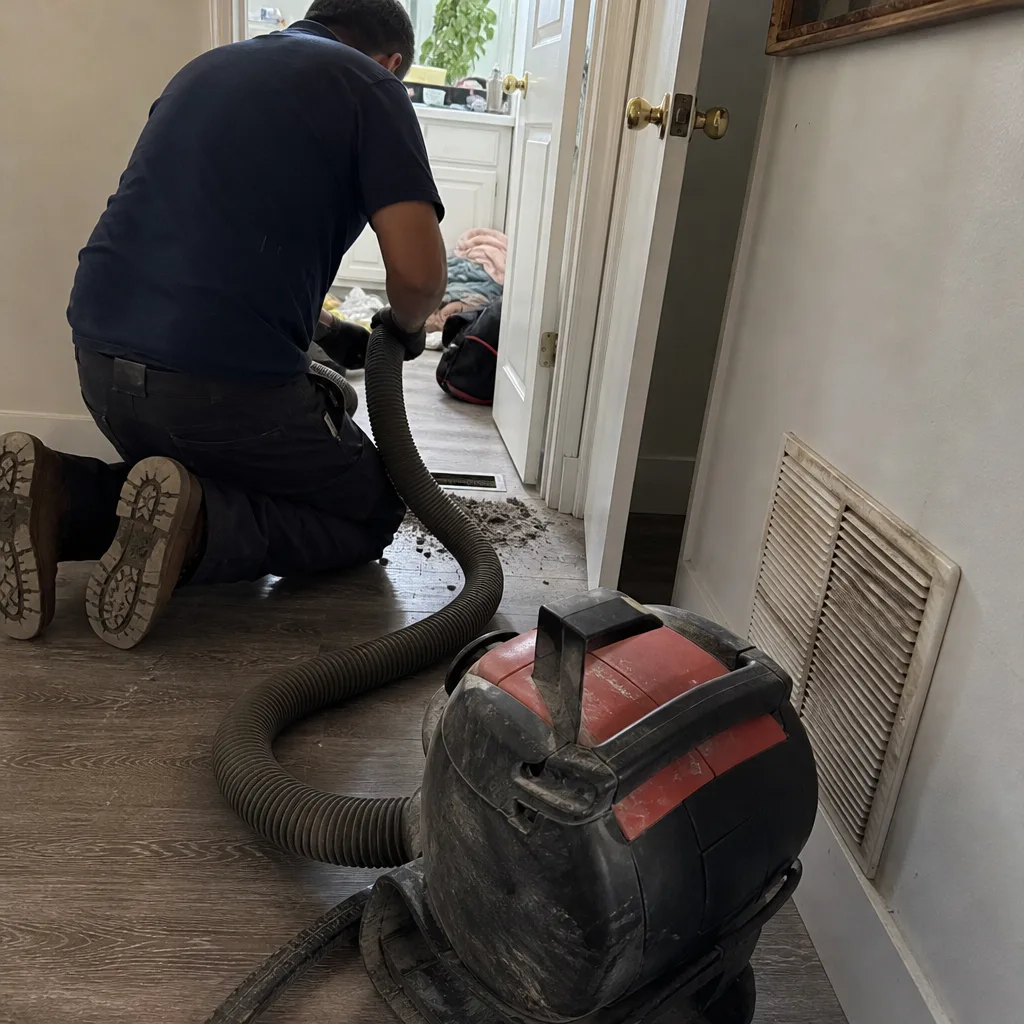 Before
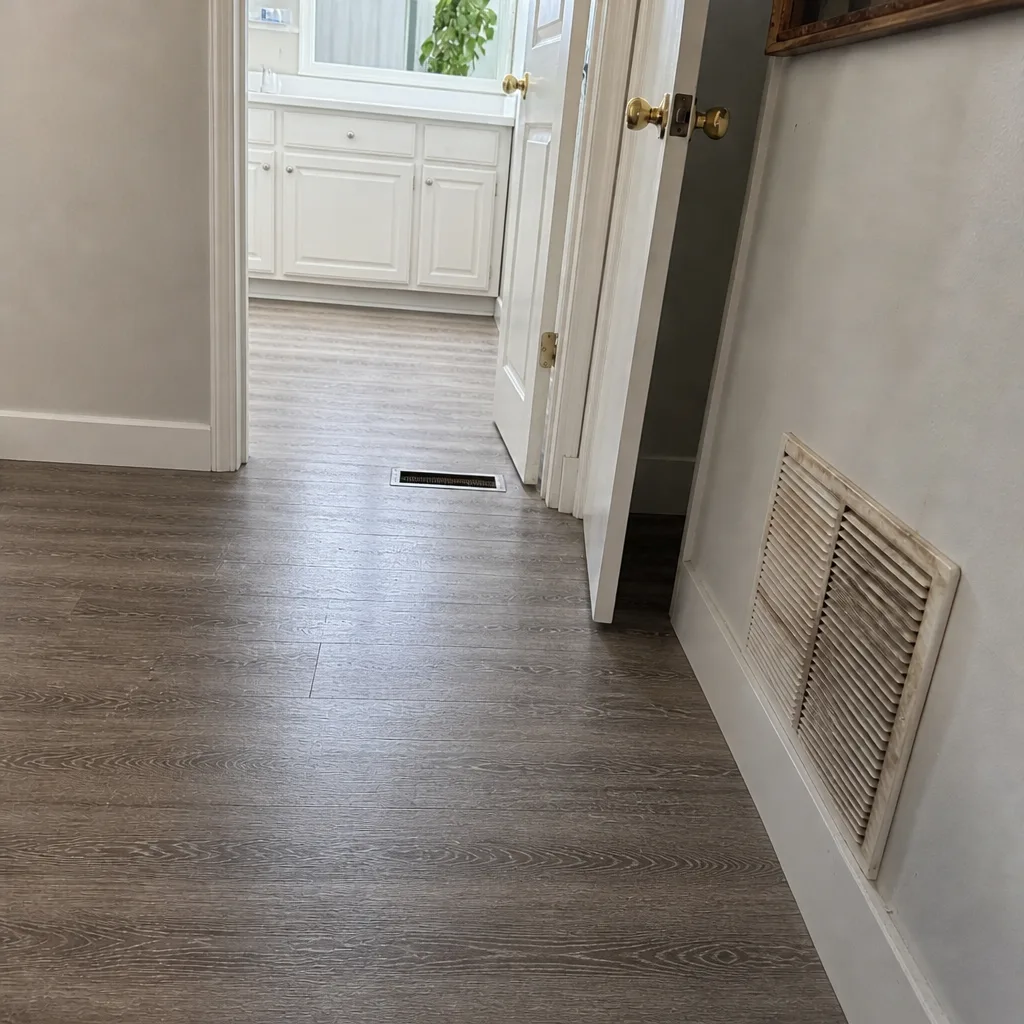 After
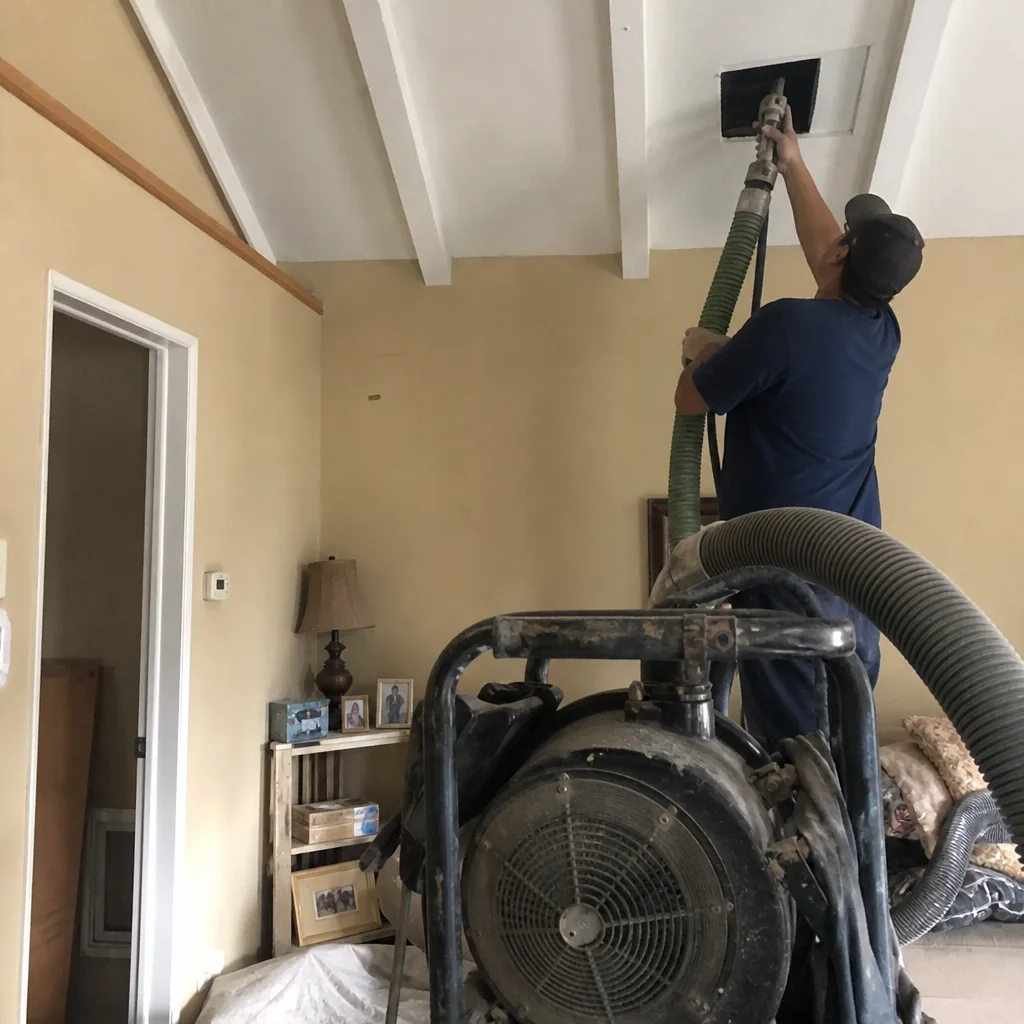 Before
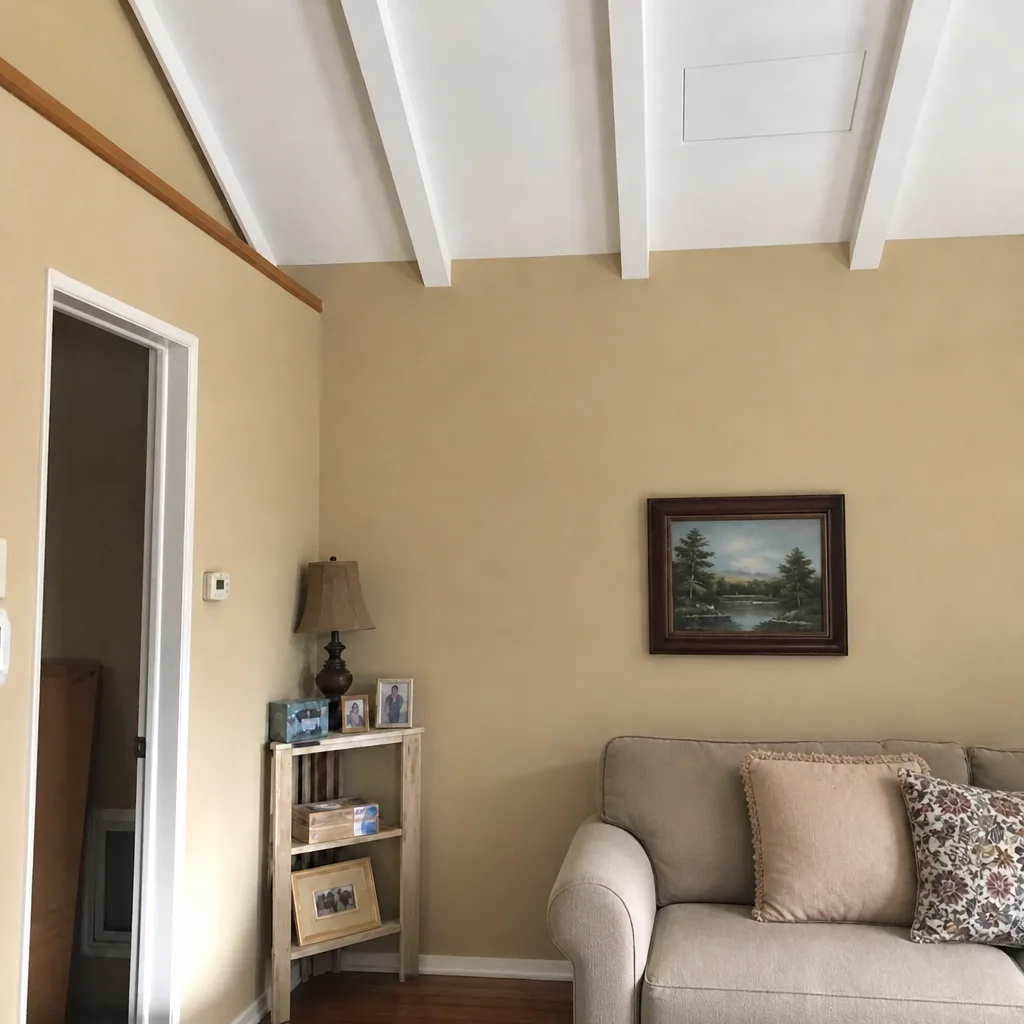 After
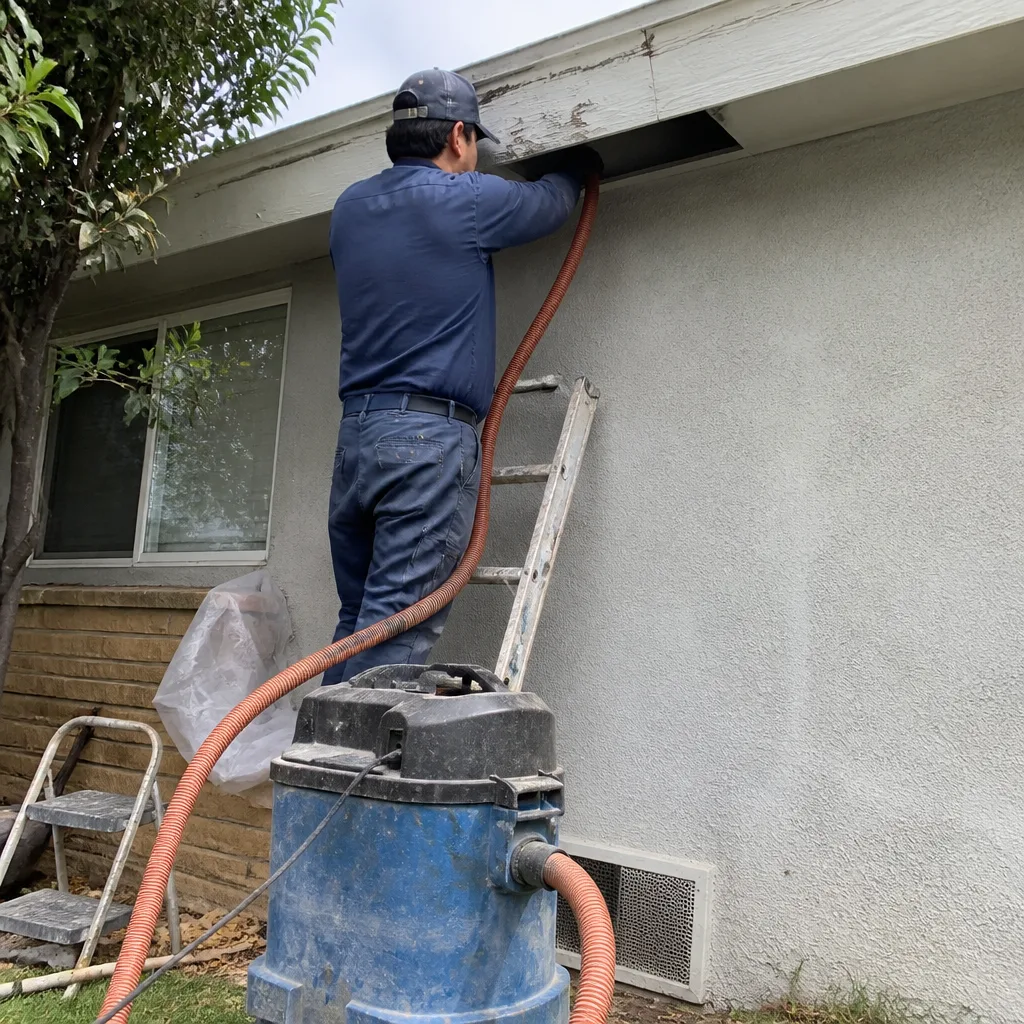 Before
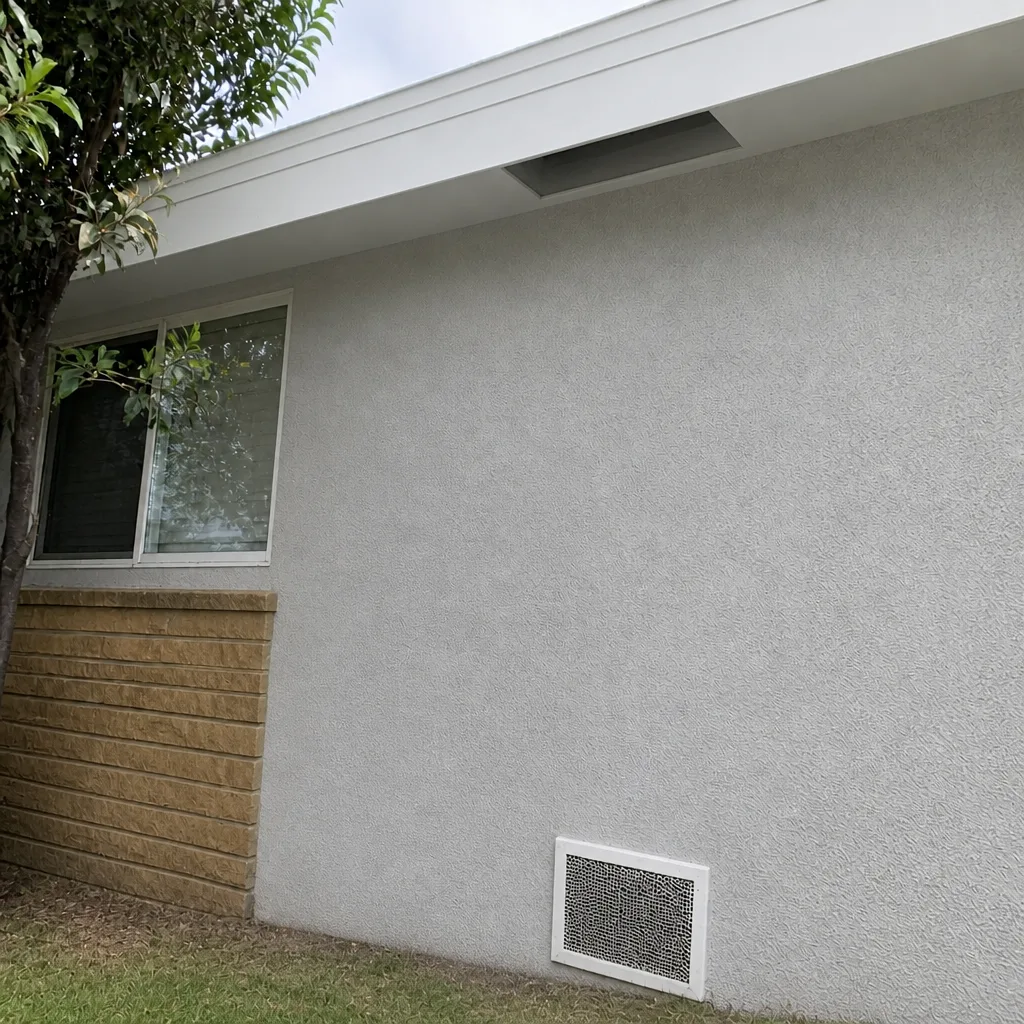 After
When to Call a Professional
Call a professional for any of the scenarios below. DIY effort in these cases costs more than it saves.
- Your University Park home has never had its ducts professionally cleaned
- A recent renovation, addition, or attic project kicked up construction dust
- Household members have allergies, asthma, or immune concerns
- You’ve found visible debris blowing out of registers
- There’s a musty smell, visible mold, or pest activity in the system
- Your dryer vent has never been serviced inside the wall
- You’ve noticed declining airflow across multiple rooms
- A home inspection flagged ductwork issues
University Park Air Duct Cleaning Co offers free estimates in University Park – call (866) 947-8605. We answer 24/7, with fast dispatch from 7am to 7pm, Sunday through Friday. Estimates are free. We can work with your insurer where applicable.
Frequently Asked Questions
Air duct cleaning is priced per system by written estimate, and that number depends on the number of runs, contamination level, and whether repair or sealing is included. Per-vent pricing and teaser coupons aren’t reliable indicators of what a proper job costs, because a real job includes containment and full source removal. Call (866) 947-8605 for a free estimate on your specific system.
Low quotes usually skip containment, per-run source removal on every branch, or repair of damaged joints. Some are priced per vent and balloon on-site. The quote that holds is the one tied to a written per-system estimate and documented before-and-after photos. If a bid can’t tell you what’s included, the price isn’t the whole story. Call (866) 947-8605 for a bid structured around your system.
Ask for before-and-after photos of your own duct runs, taken during the service. The photos are the record. A contractor who provides them is showing you what was in your system and what changed. We include before-and-after documentation on every job. Call (866) 947-8605 to schedule.
Most homes benefit from a professional cleaning every three to five years, sooner after renovations or if you have pets or allergy concerns. Homes with minimal dust and no health concerns can stretch that interval. In between, register cleaning and monthly filter changes handle the surface layer. If your University Park home has never been serviced, call (866) 947-8605 and we’ll assess.
Yes. Dislodged flex duct connections, punctured duct board lining, and disturbed insulation fragments are the three most common DIY injuries to a duct system, and none of them are visible until they cause airflow problems or contamination. Unless you’re only cleaning registers and inspecting exposed flex duct visually, professional service is safer. Call (866) 947-8605 for an assessment.
Yes, if your dryer vent has never been serviced inside the wall. Lint accumulating inside a vent run is a fire hazard, not just an efficiency concern, and the accessible portion you can clean yourself is the safe end of the run. Schedule dryer vent cleaning as a standalone service or as part of a full-system visit. Call (866) 947-8605.
Book a professional cleaning. Construction dust is far heavier than household dust and reaches deeper into duct runs, and it stresses blower wheels and fan components when it moves through the HVAC system. Professional extraction with containment is the only way to clear that debris without putting it back into the room air. Call (866) 947-8605 for a free estimate.
The Bottom Line
DIY duct cleaning has a genuine place in home maintenance – register cleaning, visual inspections, and lint removal are all sensible and safe. But the moment duct cleaning becomes contamination removal – post-renovation debris, mold, pest residue, allergy triggers, or a system that’s never been serviced – DIY capability runs out. Consumer vacuums can’t move the air volume and can’t hold the negative pressure required for source removal. They can’t contain what they dislodge. And the good-faith shortcuts homeowners take to reach duct interiors are the same shortcuts that loosen flex connections and puncture duct board. The right answer for a University Park home depends on the age of the house, the type of contamination, the renovation history, and the health of the people living there. If your situation lands in the professional column of that matrix, we’re glad to look at your system. Learn more about who we are at University Park Air Duct Cleaning Co, and when you’re ready, call (866) 947-8605 for a free estimate. We answer 24/7, with fast dispatch from 7am to 7pm, Sunday through Friday. Estimates are free.
Written by the team at University Park Air Duct Cleaning Co.